

Planning to leave Libsyn but not sure where to move next? Whether you’re looking for more flexible pricing, better analytics, a simpler publishing experience, or features that better fit the way you create content, narrowing down the right platform isn’t always easy.
With so many podcast hosting platforms offering similar features, it’s easy to spend hours comparing plans without getting much closer to a decision.
We’ve done the comparison for you. This guide covers five of the best Libsyn alternatives, highlights where each one excels, and explains which type of podcaster each platform is best suited for.
TL;DR: What to Know Before Switching Away from Libsyn
Short on time? Keep these points in mind before making the switch:
- Know what you’re switching for: Whether it’s lower pricing, better analytics, simpler publishing, or private podcasting, having a clear priority will make it easier to narrow down your options.
- Compare the long-term value: Upload limits, included features, monetization tools, and analytics can vary significantly from one platform to another.
- Choose a platform that matches the way you create: Some hosts are built for beginners, others are better suited to growing podcast networks, while some specialize in private podcast delivery.
- Plan your migration before you move: Most podcast hosts support RSS feed migration, making it possible to switch platforms without losing your existing subscribers.
What Libsyn Is and How It Supports Podcast Hosting
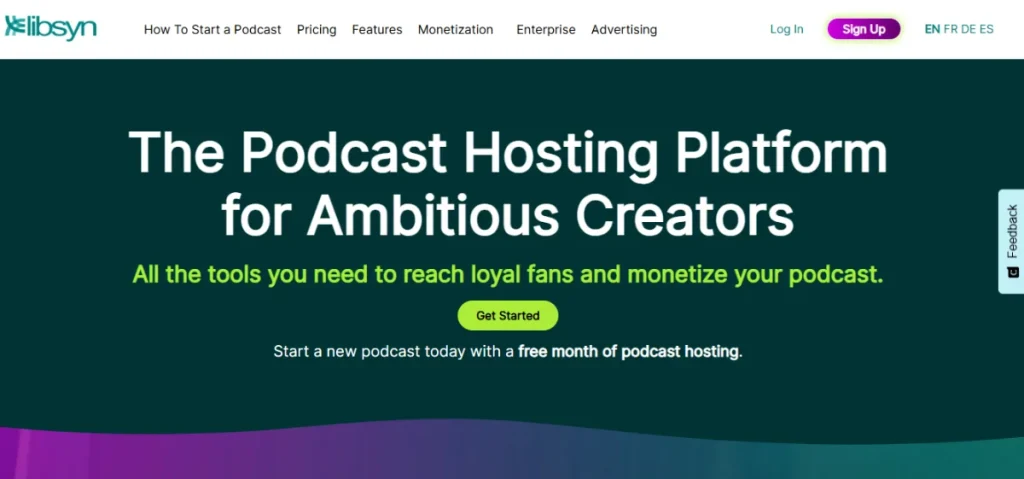
Libsyn (short for Liberated Syndication) is a podcast hosting platform. It gives you a place to store your podcast files, creates your RSS feed, and distributes your episodes to major podcast directories like Apple Podcasts, Spotify, YouTube, and many others.
Once your podcast is set up, publishing new episodes is straightforward. You upload your content to Libsyn, and it sends your episodes wherever you’ve chosen to distribute them.
Libsyn supports podcast hosting with features like:
- Podcast Hosting and Distribution: Store your audio and video episodes in one place and publish them to more than 25 podcast platforms without uploading the same episode multiple times.
- Episode Publishing Controls: Schedule future releases, edit episode titles and descriptions, manage metadata, and decide exactly when your content goes live.
- Multiple Podcast Feeds: Run multiple shows or create premium and private podcast feeds without setting up separate hosting accounts.
- Monetization Tools: Opportunity to earn revenue through options like dynamic ad insertion, premium subscriptions, and other built-in monetization features.
- Analytics and Reporting: Track downloads, audience trends, and episode performance with IAB-certified analytics to better understand how your podcast is growing.
- Hosted Podcast Website: Every account includes a simple podcast website where listeners can browse your episodes and learn more about your show.
Why Podcasters Look for Libsyn Alternatives
Libsyn is a popular option for creators, and they continue to rely on it for podcast hosting. At the same time, podcasting has changed a lot. There are many new platforms that have introduced simpler interfaces, more flexible pricing, and creator-focused tools that weren’t as common when Libsyn first launched.
These are some of the most common reasons creators start looking beyond Libsyn:
Pricing That Discourages Smaller Creators
Libsyn’s plans are primarily based on monthly storage limits, so creators find their costs increase as they publish more content or work with larger media files. That pricing model works if you have an established podcast, but it may feel restrictive if you’re just getting started or trying to keep expenses low.
Now there are newer podcast hosts that also offer features like AI tools, advanced analytics, and marketing tools at similar price points, which leads some creators to compare their options before renewing their plans.
Analytics Gaps on Entry-Level Plans
Libsyn provides IAB-certified analytics, but the level of reporting you get depends on the plan you choose. If you’re opting for an entry-level plan, then you may find that some audience insights and advanced reporting features are only available after upgrading.
For creators who rely on listener data to measure growth, improve engagement, or attract sponsors, more detailed analytics can be an important factor when choosing a hosting platform.
No Free Plan
Libsyn does offer a 30-day free trial to give you time to explore the platform before your subscription begins. However, once the trial ends, you’ll need to move to a paid plan to continue hosting your podcast.
So, if you’re looking for a platform that offers a permanent free plan that lets you publish episodes without a monthly subscription, you can opt for alternatives.

Top Libsyn Alternatives for Podcast Hosting
If you’re ready to move from Libsyn, you have plenty of strong alternatives to choose from. Among today’s top podcast platforms, each takes a slightly different approach, whether that’s simpler publishing, more detailed analytics, built-in marketing tools, or support for private podcasting.
The platforms below each take a different approach:
1. Buzzsprout
Buzzsprout is often one of the first platforms new podcasters consider because it’s easy to set up and navigate. The interface is clean, publishing an episode only takes a few steps, and the platform offers built-in tools for episode optimization and distribution.
Key features include:
- Clean and intuitive dashboard designed for first-time and experienced podcasters alike.
- Automatic distribution to popular podcast platforms after you publish an episode.
- Episode scheduling so you can plan your releases in advance.
- A built-in podcast website with customizable branding.
- AI-powered tools for creating transcripts, titles, and show descriptions.
- Built-in monetization features to help you generate revenue from your podcast.
Here’s a quick breakdown of its pros and cons:
2. Podbean
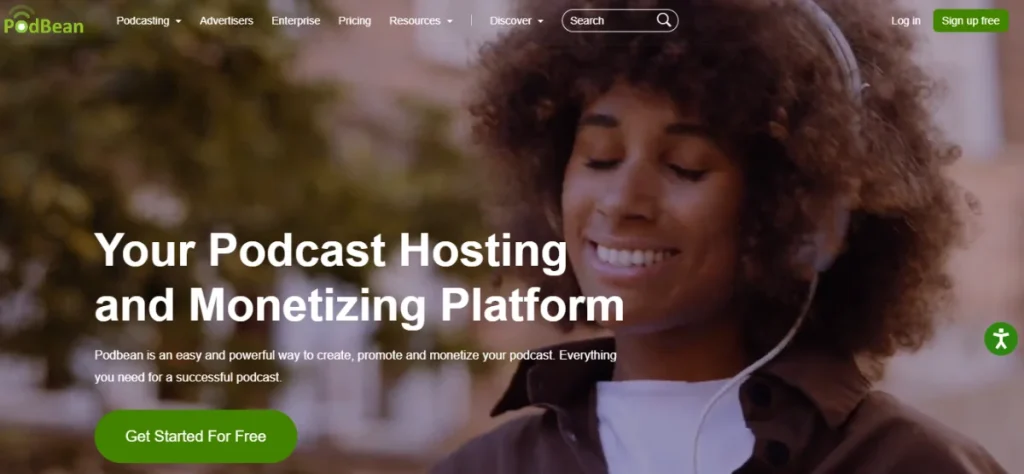
Podbean is a good fit if you have to manage your podcast from one platform instead of piecing together multiple tools. Along with hosting your episodes, it includes live streaming, monetization features, and audience engagement tools.
Key features include:
- Unlimited storage on all paid plans.
- Audio and video podcast hosting.
- Live streaming.
- Dynamic ad insertion.
- Built-in monetization tools.
- A podcast website and mobile app.
Here’s a quick breakdown of its pros and cons:
3. Transistor
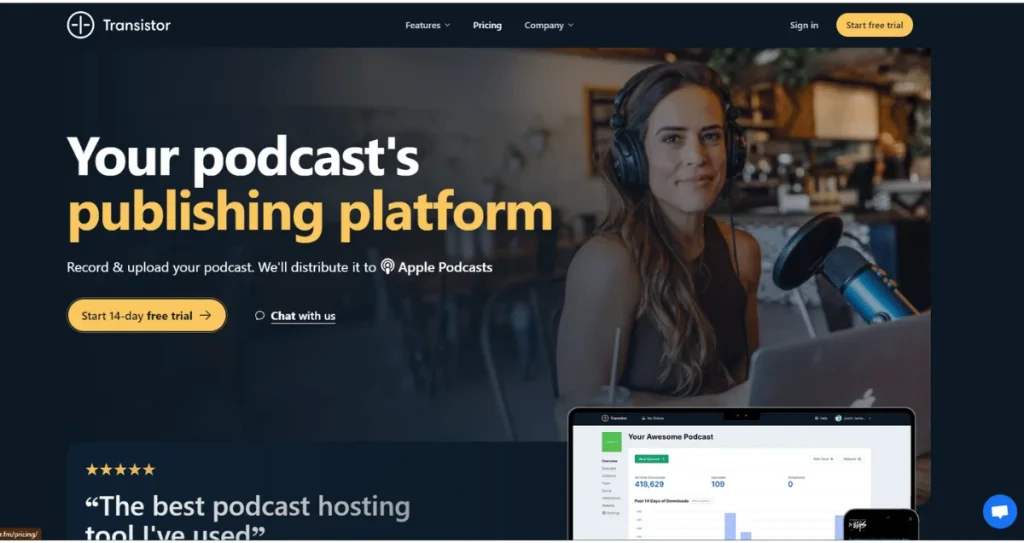
Transistor takes a different approach to podcast hosting than many of its competitors. Rather than limiting the number of podcasts you can host, every paid plan includes unlimited shows, making it well-suited to creators managing multiple podcasts.
Key features include:
- Host unlimited podcasts under every paid plan.
- Create private podcast feeds for clients, members, employees, or other private audiences.
- Invite team members and assign different user roles.
- Track downloads and listener trends with advanced analytics.
- Give every collaborator their own login.
- Launch a dedicated website for every podcast.
Here’s a quick breakdown of its pros and cons:
4. Captivate
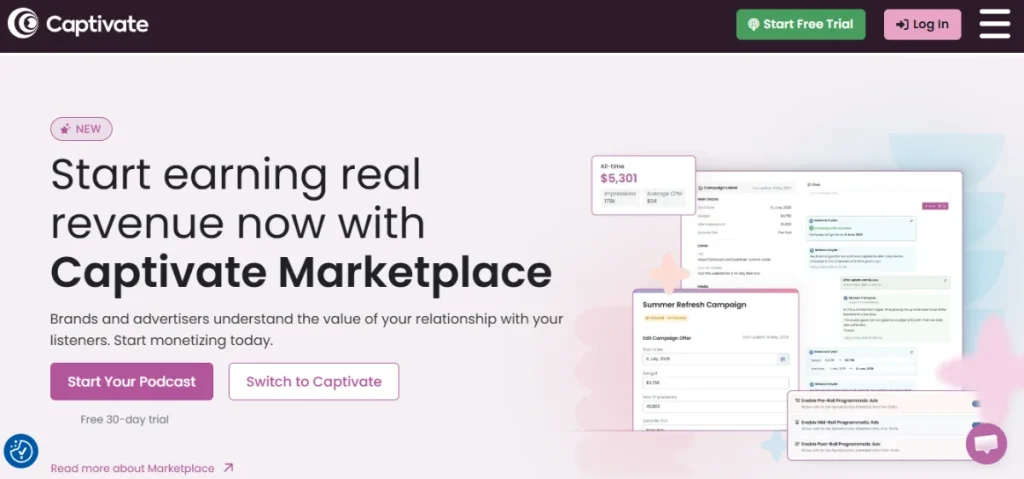
Captivate is a good option if growing your podcast is just as important as publishing it. Along with podcast hosting, it includes marketing features, detailed analytics, and collaboration tools, so you don’t have to rely on multiple platforms as your audience grows.
Key features include:
- Unlimited podcasts under one account.
- Advanced analytics and listener insights.
- Built-in marketing and audience growth tools.
- Team collaboration with multiple users.
- Private podcast feeds.
- Dynamic content updates across existing episodes.
Here’s a quick breakdown of its pros and cons:
5.Spotify for Creators
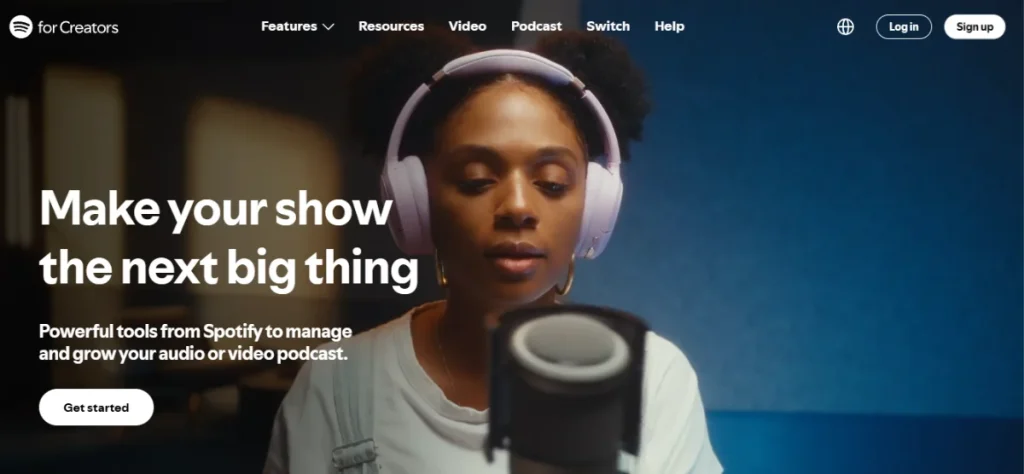
Spotify for Creators gives creators a free way to host, publish, and manage their podcasts. Along with audio hosting, it supports video podcasts, audience insights, and distribution to major podcast directories from a single account.
Key features include:
- Launch a podcast without paying hosting fees.
- Distribute episodes to Spotify and other major podcast directories.
- Track downloads and listener performance from one dashboard.
- Publish both audio and video podcasts.
- Access listener insights for your Spotify audience.
Here’s a quick breakdown of its pros and cons:
Pricing Across the Top Libsyn Alternatives
Podcast hosting plans are all priced differently across different platforms. Some platforms limit uploads or downloads on lower-tier plans, while others include features like unlimited podcasts or private podcasting as you move up the pricing ladder.
Here’s a side-by-side comparison of the starting plans offered by each platform:
| Platform | Pricing Tiers | Free Plan/Trial |
| Buzzsprout | Audio: $15/monthAudio + Video: $25/monthMax: $150/month | Free plan available |
| Podbean | Unlimited Audio: $12/monthUnlimited Plus: $29/monthNetwork: $79/monthBusiness: $99/month | Free plan available |
| Transistor | Starter: $19/monthProfessional: $49/monthBusiness: $99/month | 14-day free trial |
| Captivate | Personal: $17/monthProfessional: $44/monthBusiness: $90/month | 7-day free trial |
| Spotify for Creators | Free | Free |
Libsyn Alternatives by Podcast Type and Use Case
The platforms in this guide all support podcast hosting, but they aren’t built for the same type of creator. Here’s where each one stands out:
Best for Beginners and Independent Creators: Buzzsprout
If you’re publishing your first podcast, then Buzzsprout is one of the easiest places you can start. The interface is very clean, the setup process is straightforward, and you can get comfortable with the platform with a little learning curve.
Best for Free Podcast Hosting: Spotify for Creators
Spotify for Creators should be at the top of your priority list if you want to launch a podcast without having to pay for hosting. It supports both audio and video podcasts, so it’s a practical option while you’re building an audience.
Best for Multiple Podcasts and Growing Networks: Transistor
Transistor becomes a natural fit for creators managing several podcasts. Every paid plan includes unlimited podcasts, so you don’t have to think about paying for each additional show as your network grows.
Best for Audience Growth: Captivate
Captivate puts a lot of emphasis on helping creators grow their podcasts. Its marketing features and audience insights make it a good option if expanding your listener base is one of your main goals.
Best for Monetization: Podbean
Podbean offers several ways for you to earn from the podcast. This generally includes advertising, premium content, subscriptions, and live streaming. If monetization is high on your priority list, it’s one of the stronger options to consider.
What Hello Audio Brings Beyond Traditional Podcast Hosting
Most podcast hosting platforms are built around the same goal: helping you publish your show to public listening apps. If that’s all you need, the platforms we’ve covered so far offer plenty of great options.
Hello Audio takes a different approach.
Instead of focusing solely on public podcast distribution, it’s built for private podcast hosting, helping deliver exclusive audio content. Coaches, educators, course creators, membership owners, and businesses can turn existing audio or video content into private podcast feeds that listeners can access from their favorite podcast apps.
Some of the features that set Hello Audio apart include:
- Private podcast feeds: Deliver exclusive content to clients, students, members, or internal teams without making it publicly available.
- Repurpose existing content: Convert videos, webinars, Zoom recordings, and other audio into private podcast episodes with just a few clicks.
- AI-powered publishing tools: Generate transcripts, show notes, titles, and descriptions to speed up your workflow.
- Drip and expiring content: Release episodes on a schedule or make content available for a limited time.
- Audio Inbox: Automatically pull recordings from platforms like Zoom and Google Drive into your Hello Audio library.
- Listener management: Organize listeners with tags and segments to deliver a more personalized experience.
If your goal is to build a public podcast, a traditional hosting platform may be all you need. If you’re creating premium content, online courses, coaching programs, or private training, Hello Audio offers tools that go beyond traditional podcast hosting.
Start your 7-day free trial today!

Frequently Asked Questions (FAQs)
Before you make the switch, here are a few common questions that often come up when evaluating Libsyn alternatives.
Can You Transfer Podcast Episodes When Leaving Libsyn?
Yes. Most podcast hosts have migration guides, and many will even help you through the process. As long as you redirect your podcast RSS feed correctly, your existing subscribers won’t need to find your show again.
Is Libsyn Still a Good Choice for New Podcasters?
Yes. If your main priority is reliable podcast hosting and distribution, Libsyn still does that well. The reason many first-time podcasters look elsewhere isn’t that Libsyn is unreliable.
They usually want a simpler interface, a permanent free plan, or features that better match the way they create content.
Are There Libsyn Alternatives With Better Customer Support?
Several podcast hosting platforms are known for responsive customer support, including Buzzsprout, Transistor, and Captivate.
The best option depends on the level of support you need, whether that’s email assistance, live chat, onboarding resources, or a detailed knowledge base.
Do Any Libsyn Alternatives Support Dynamic Ad Insertion?
Several of them do. Podbean, Transistor, and Captivate all include dynamic ad insertion on selected plans, so you can update advertising across older episodes without having to upload them again.
Which Libsyn Alternatives Are Best for Video Podcasting?
If video is part of your podcast, Buzzsprout, Podbean, and Spotify for Creators are all strong options. Buzzsprout is easy to use, Podbean includes more built-in features, and Spotify for Creators lets you publish video podcasts without paying for hosting.
Conclusion
Each platform in this guide brings something different to the podcasting experience. The right choice comes down to the kind of content you create, the features you rely on every day, and how you want your podcast to grow over time.
If your goals extend beyond public podcast distribution, it’s worth exploring a platform built specifically for private audio content.
Hello Audio helps coaches, educators, businesses, and membership creators turn existing audio and video into private podcast feeds that listeners can access from their favorite podcast apps. With features like AI-powered publishing, drip and expiring episodes, Audio Inbox, and listener tagging, we simplify the entire experience from content delivery to audience management.
Sign up with Hello Audio to see how private podcasting can fit into your content strategy.