

If you’re looking for a Supercast alternative, you’ve probably decided what you want from the new platform. You may be launching a private podcast, building a paid subscription, or looking for a more cost-effective way to monetize your content.
The next step is finding a platform that fits the way you publish, manage subscribers, and grow your business.
This guide reviews 10 Supercast alternatives for private podcasts, comparing their features, pricing, pros and cons, and ideal use cases.
TL;DR: 10 Best Supercast Alternatives
Short on time? Here’s a quick comparison of the best Supercast alternatives and who each platform is best suited for:
What is Supercast?
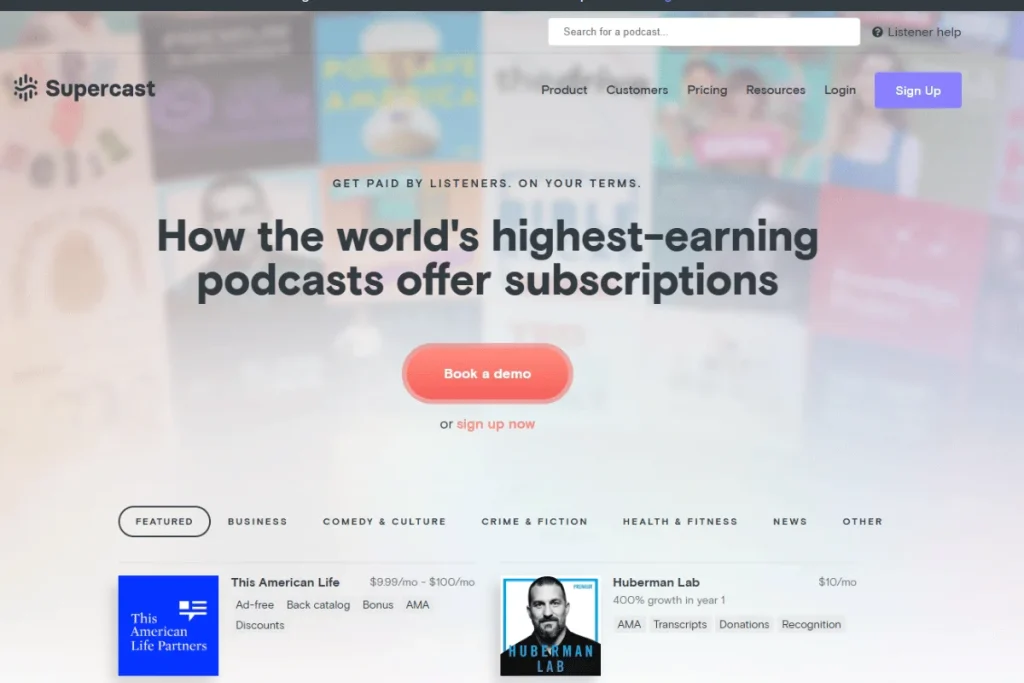
Supercast is a podcast subscription platform that helps creators monetize their content through paid memberships. It lets you host private podcasts, deliver subscriber-only audio and video, and distribute them through popular podcast apps like Apple Podcasts and Spotify.
Creators can manage subscribers, share exclusive episodes, and earn recurring subscription revenue from one platform. That’s made it a popular choice for independent podcasters and podcast networks.
Supercast Limitations to Know Before Switching
Supercast is a popular platform, but there are a few areas where other tools offer more flexibility. Here are a few things to consider before making your choice:
- Scaling costs: Supercast charges $0.59 per subscriber per month, plus Stripe fees. As your audience grows, those costs can add up faster than they do on platforms with flat monthly pricing.
- Limited beyond podcasts: If your business also includes courses, newsletters, communities, or a website, you’ll likely need additional tools alongside Supercast.
- Custom plan features: Features like multiple shows, podcast bundles, and deeper integrations are only available on a Custom plan.
- Subscriber setup: Subscribers have to add a private RSS feed to their podcast app before they can listen. If someone isn’t familiar with private podcasts, that extra setup can slow them down.
- Subscription-first platform: Supercast is built for paid podcast memberships. If you’re creating podcast courses, coaching programs, or employee training, you may find yourself looking for tools that offer more control over how content is organized and released.
One Supercast user, Intelligent_Week_560, on Reddit, commented:
“Supercast is horrible. You have to keep emailing them forever to get a response. They charged my credit card twice for the yearly subscription last year, and I had to make a public thread in their discord server before I got help. Made me want to unsubscribe again and switch to Apple.”
Key Features to Compare in a Supercast Alternative
Every platform takes a different approach to podcasting. Before you compare your options, look at these features to find the one that best fits your content, audience, and budget:
| Feature | What to Look For |
|---|---|
10 Best Supercast Alternatives for Podcasters
Supercast is a popular platform for podcast subscriptions, but it isn’t the right fit for every creator. Pricing, monetization options, podcast hosting, and the audience engagement tools you need to run your business can all influence which platform makes the most sense.
Below, we’ve compared 10 of the best Supercast alternatives for podcasters:
1. Hello Audio
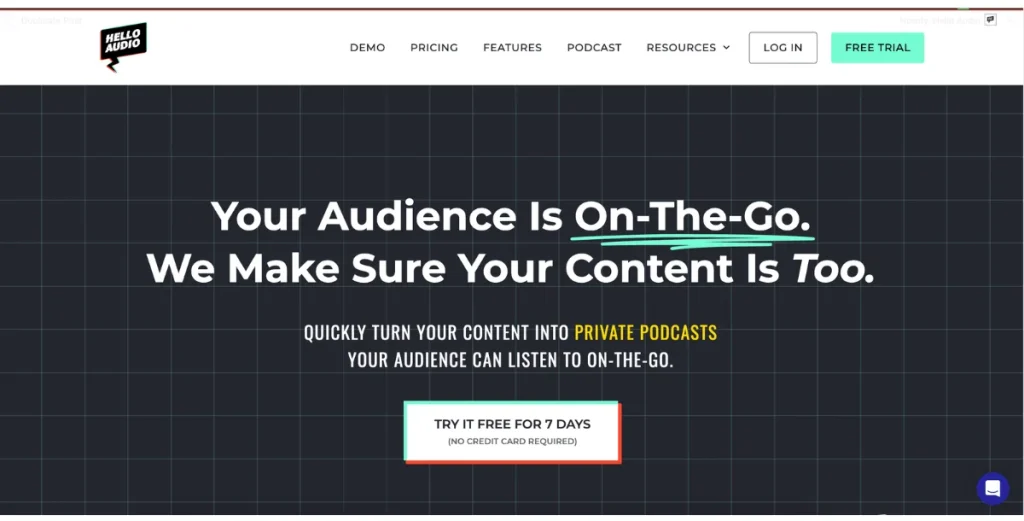
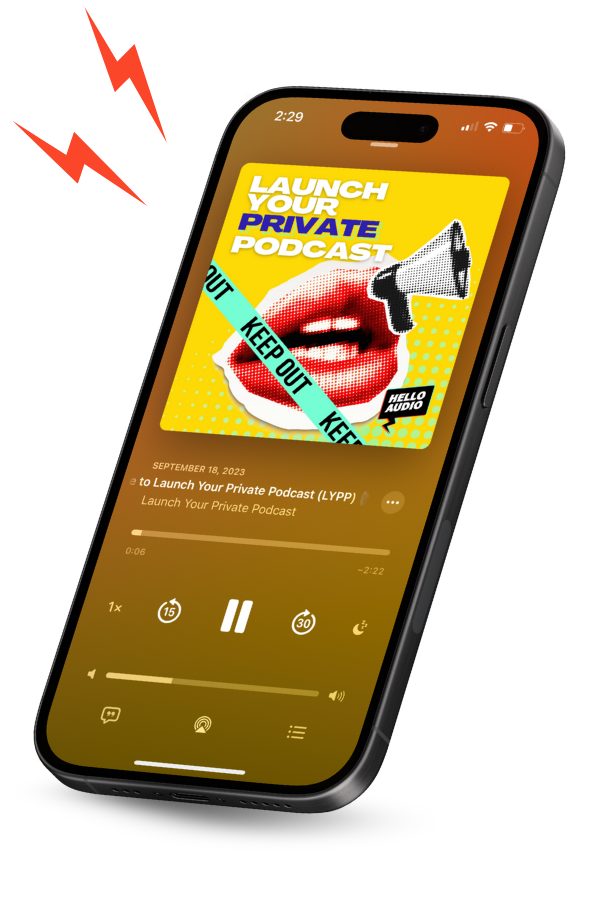
Hello Audio is a private podcasting platform built for creators who want to deliver audio content without the complexity of traditional podcast hosting. Instead of focusing on paid podcast subscriptions alone, it helps coaches, educators, course creators, and membership businesses turn existing content into private podcasts their audience can access through their favorite podcast apps.
Most creators see 3–4× higher content completion rates, making private podcasts a more effective way to deliver courses, coaching, and other educational content.
Community discussions often highlight how simple Hello Audio is to use. As one Reddit user easypeasymuonsqueezy put it:
“Hello Audio is the place for private podcasts. Upload your files, add just the one listener (they’ll get their own link), and share it with your gf. Lots of other features, but you’ll just drop files into the podcast feed for her.”
Pros
- Simple setup with private podcast feeds for every listener.
- Works with popular podcast apps like Apple Podcasts and Spotify.
- Supports courses, memberships, lead magnets, and customer onboarding.
- Integrates with popular course and marketing platforms.
- Includes listener analytics to track engagement.
Cons
- Not designed for public podcast hosting.
- Doesn’t offer a built-in creator marketplace for discovering content.
Pricing
- Starter: $14/per month
- Pro: $39/per month
- Powerhouse: $81/per month
If you’re moving away from Supercast because your content has grown beyond paid podcast subscriptions, Hello Audio gives you more flexibility to deliver private audio across a wider range of use cases.
Start your free trial and explore everything you can build with private podcasting.
2. Castos
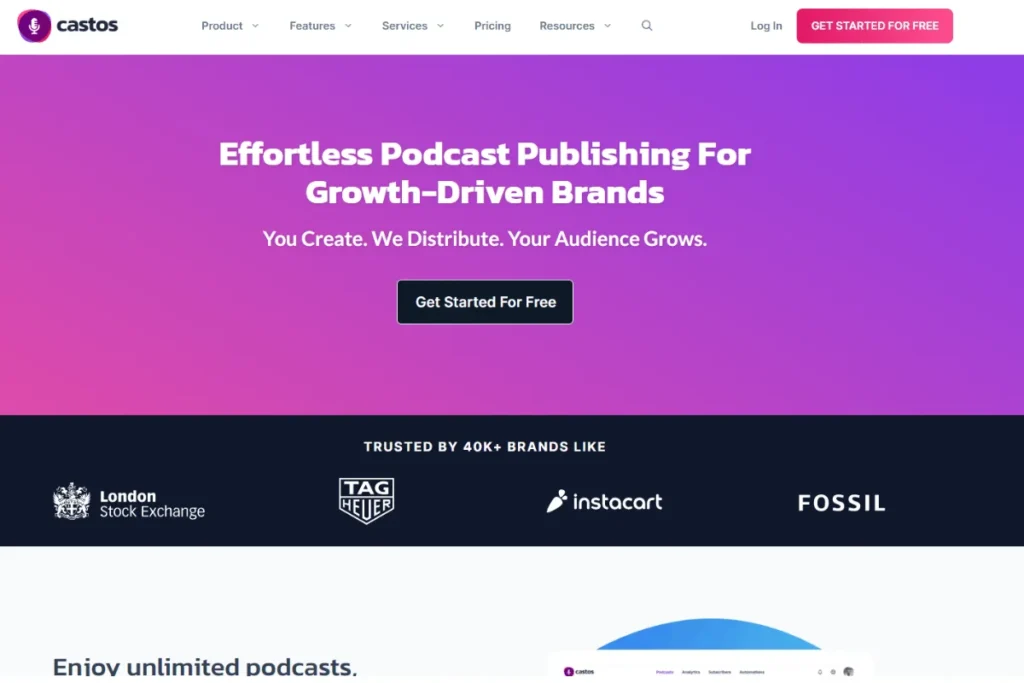
Castos is a podcast hosting platform that also supports private podcasts. Along with hosting public shows, it lets you create private podcast feeds for memberships, online courses, communities, and internal communications.
If you want one platform for both podcast hosting and private podcast delivery, Castos is worth considering. It also integrates with WordPress through its Seriously Simple Podcasting plugin, making it a good fit for creators who already manage their website there.
Pros
- Host public and private podcasts from one account.
- Unlimited podcasts, episodes, and downloads.
- WordPress integration through Seriously Simple Podcasting.
- Listener analytics and podcast distribution.
- Private podcast feeds for memberships and courses.
Cons
- The private subscriber limits vary by plan.
- Advanced analytics and some private podcast features require higher-tier plans.
Pricing
- Essentials: $19/month
- Growth: $49/month
- Pro: $99/month
- Castos Premium: $499/month
3. Transistor
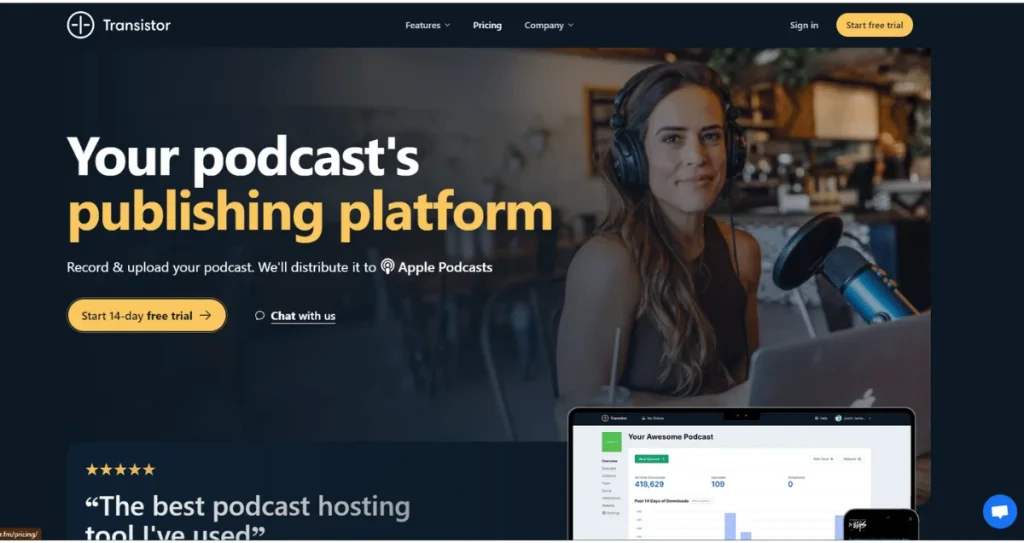
Transistor is a podcast hosting platform that supports both public and private podcasts. You can create multiple private podcast feeds for paid memberships, employee training, customer onboarding, or internal communications, all from the same account.
Transistor keeps public and private podcasts in one place, so you don’t have to manage separate platforms as your podcast library grows. It also integrates with membership and automation tools, making it easier to control who gets access to your private feeds.
Pros
- Host public and private podcasts from one platform.
- Unlimited podcasts on every plan.
- Detailed listener analytics.
- Supports multiple private podcast feeds.
- Integrates with popular membership and automation tools.
Cons
- No built-in membership or payment processing.
- Private podcast access depends on third-party integrations for many use cases.
Pricing
- Starter: $19/month
- Professional: $49/month
- Business: $99/month
- Enterprise: $199+/month
4. Memberful
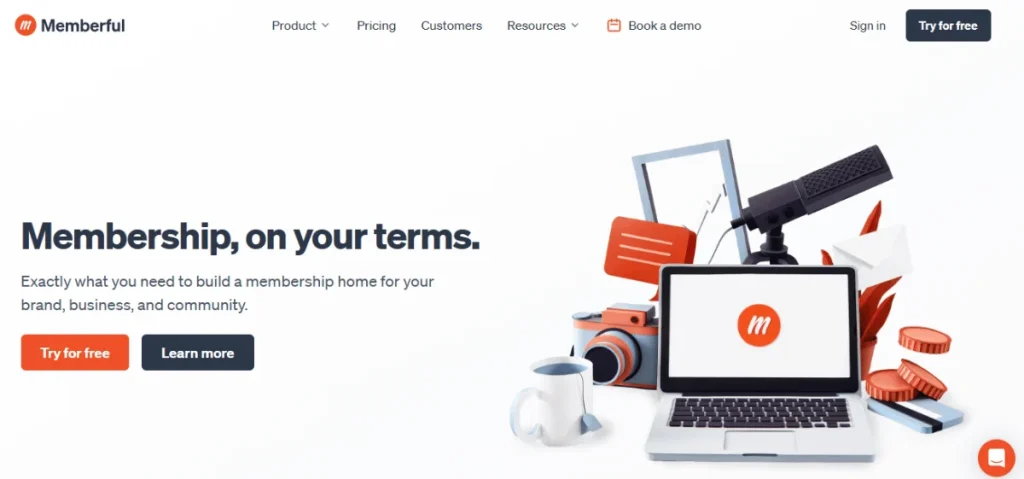
Memberful is a membership platform that lets creators sell subscriptions, gated content, and private podcasts from one place. Instead of acting as a podcast host, it connects with your existing website and tools to manage memberships, payments, and subscriber access.
If you already run a membership business or plan to offer more than private podcasts, Memberful gives you the flexibility to bundle podcasts with newsletters, online communities, courses, and other subscriber-only content.
Pros
- Keep memberships, payments, and private podcasts in one place.
- Sell digital products alongside your podcast.
- Stripe is built in, so there’s no separate payment setup.
- Works with many website builders and creator tools.
- Create different membership levels with exclusive podcast access.
Cons
- Doesn’t host public podcasts.
- Requires a website or existing creator platform to get the most value.
Pricing
- Standard: $49/month
- Custom pricing
5. Supporting Cast
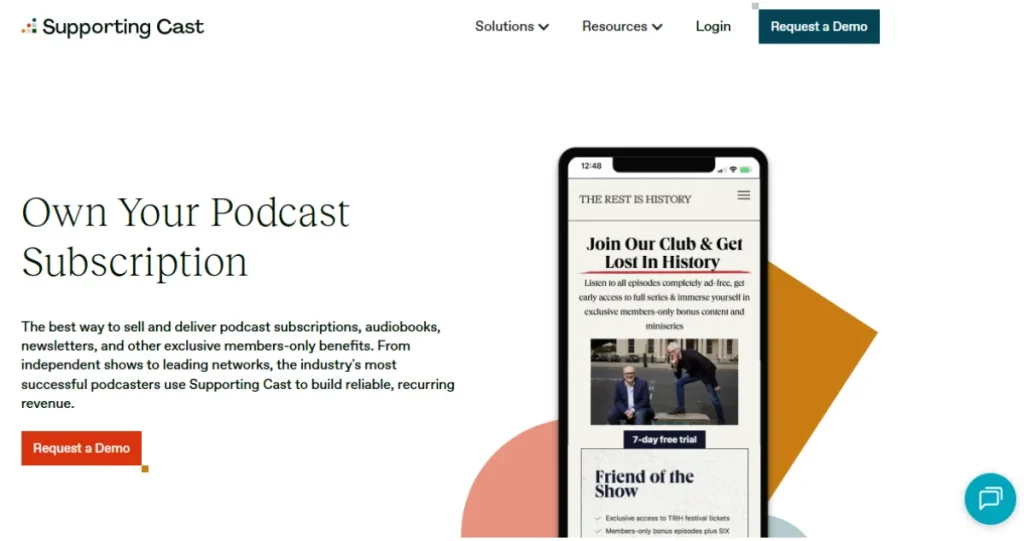
Supporting Cast sits in the same category as Supercast. It is built around paid podcast subscriptions, which gives the creators a way to publish subscriber-only episodes and manage access through private podcast feeds.
If your goal is to grow a subscription podcast instead of building a broader membership business, Supporting Cast keeps the focus on podcast monetization without adding tools you may not need.
Pros
- Built with paid podcast subscriptions in mind.
- Let subscribers listen to podcasts in the apps they already use.
- Makes it easy to manage private podcast access.
- Supports multiple subscription options.
- Works well for both independent creators and podcast networks.
Cons
- Doesn’t include built-in course or community features.
- Less suitable for creators selling multiple types of digital products.
Pricing: Contact Supporting Cast for custom pricing.
6. Patreon
Patreon is a membership platform where creators can offer exclusive content to paying subscribers. Along with posts, videos, and community updates, you can also share private podcasts as part of a membership.
If your audience already supports you through memberships, Patreon makes it easy to include a private podcast as one of the benefits.
Pros
- Keep private podcasts, videos, posts, and other member-only content in one place.
- Create multiple membership tiers with different benefits.
- Handle payments and member access from the same platform.
- Give members a dedicated space to interact with you and each other.
- Easy to get started if you already have a Patreon community.
Cons
- Private podcasting isn’t its primary focus.
- Transaction and payment fees apply in addition to platform fees.
Pricing: Patreon is free to start. Once you begin earning, it charges 10% of the income you earn on Patreon, plus applicable payment processing fees.
7. Beamly
Beamly is a private podcast platform that is designed for businesses that are looking to share audio content with a specific audience. The platform allows you to create private podcast feeds for courses, coaching programs, employee training, and client onboarding without relying on a public podcast platform.
The platform focuses on delivering private audio in a simple, organized way, making it a good choice if your content is meant for a defined group of listeners rather than the general public.
Pros
- Create separate private podcast feeds for different groups of listeners.
- Share audio without asking listeners to download a dedicated app.
- Control who gets access to each podcast.
- Good fit for courses, coaching, and internal training.
- Quick to set up and manage.
Cons
- Better suited for private audio than public podcast publishing.
- You’ll need other tools if you want to sell memberships or digital products.
Pricing
- Starter: $18/month
- Creator: $30/month
- Business: $64/month
8. Ko-fi
Ko-fi lets creators offer paid memberships and share exclusive content with their supporters. Private podcasts are one of the membership perks you can add, alongside downloads, posts, and other subscriber-only content.
If you already use Ko-fi, you can manage member access and share private podcast episodes without moving to a separate platform.
Pros
- Add private podcasts to paid memberships.
- Sell digital products and accept one-time donations.
- Create multiple membership tiers.
- Manage payments and member access from one dashboard.
- No monthly fee on the free plan.
Cons
- Limited podcast-specific features compared with dedicated private podcast platforms.
- Their advanced features require a paid plan.
Pricing: Free to use with a 5% platform fee. Ko-fi Gold costs $12/month (or $6/month billed annually) and removes the platform fee while unlocking additional features.
9. Buy Me a Coffee
Buy Me a Coffee is best known for helping creators earn through memberships and audience support. Alongside those features, it also gives creators a way to share private podcasts with paying members.
If you’re already building a membership business, Buy Me a Coffee gives you a simple way to add private podcasts without paying for a separate podcast subscription platform.
Pros
- Include private podcast access with paid memberships.
- Accept one-time support as well as monthly memberships.
- Sell digital products from the same account.
- No monthly subscription required.
- Easy for supporters to join and start listening.
Cons
- Doesn’t include public podcast hosting.
- Transaction fees apply to paid memberships and sales.
Pricing: Buy Me a Coffee charges a 5% transaction fee on payments you receive, with no monthly subscription required.
10. RedCircle
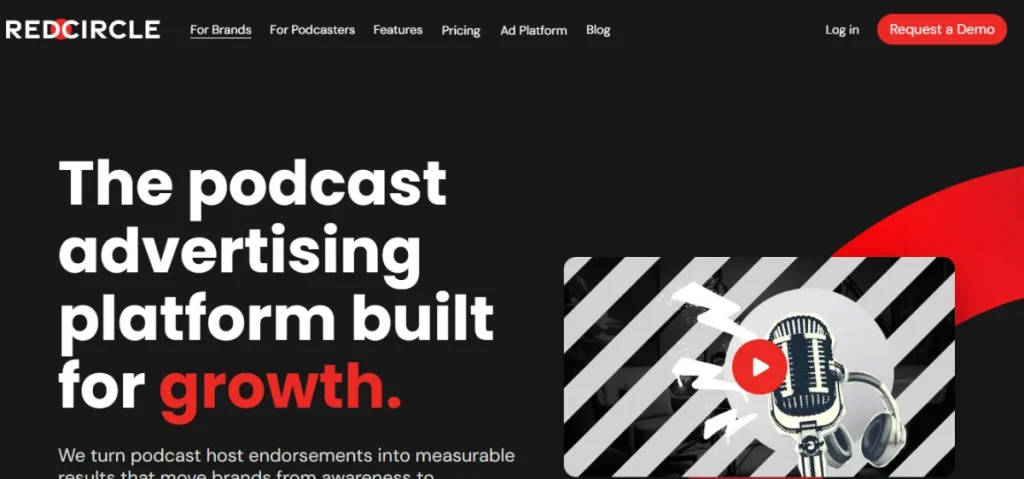
RedCircle is a podcast hosting platform that is designed for creators who want to grow and monetize their shows. Along with hosting public podcasts, it supports private podcasts through subscription tools, allowing you to offer exclusive episodes to paying listeners.
Creators who already host a podcast on RedCircle can use its subscription tools to offer exclusive episodes to paying listeners. That makes it a practical choice if your focus is on growing a podcast business.
Pros
- Host public and private podcasts from one platform.
- Offer subscriber-only podcast episodes.
- Built-in tools for podcast monetization.
- Supports distribution to major podcast apps.
- Podcast analytics included.
Cons
- Focused on podcast creators rather than broader membership businesses.
- Some monetization features have eligibility requirements.
Pricing
- Growth Plan: $14.99/month
- Pro Plan: $29.99/month
- Enterprise Plan: $99.99/month
How to Choose the Right Supercast Alternative
The best Supercast alternative depends on your goals. Before making a decision, compare these key factors to find a platform that fits your requirements:
- Purpose: Decide what you’re using private podcasts for. A platform built for paid podcast subscriptions won’t always be the best choice for courses, coaching, employee training, or customer onboarding.
- Pricing: Look beyond the starting price. Compare monthly fees, subscriber limits, platform fees, transaction fees, and how much you’ll pay as your audience grows.
- Content and monetization: Think about everything you want to offer to your audience. From all the alternatives mentioned, some platforms support only private podcasts, while others offer memberships, digital products, online courses, newsletters, and communities.
- Management and reporting: If you manage a growing audience, look for features like automated access, integrations with your existing tools, and analytics that show subscriber growth and listener engagement.

Frequently Asked Questions (FAQs)
If you’re still comparing Supercast alternatives, these are some of the questions creators ask most before making a switch.
Do You Need Technical Skills to Switch From Supercast?
No. Most of the platforms are designed for non-technical users and provide detailed step-by-step instructions to help you move your content. There are some that also offer migration support, so you don’t have to handle everything yourself.
Do Supercast Alternatives Work in Apple Podcasts and Spotify?
Many do, but not all platforms support the same podcast apps. Before signing up, check that your preferred platform works with the apps your audience already uses, including Apple Podcasts and Spotify.
Can You Move Your Subscribers From Supercast to Another Platform?
Usually, yes. Many private podcast platforms help you migrate subscribers or provide tools to make the process easier. The exact steps depend on the platform you choose.
Do You Need a Website to Sell Podcast Subscriptions?
No. Several platforms let you create paid memberships and accept payments even when you don’t have a website. If you already have a website, then you can often connect it for a more branded experience.
What Is the Difference Between a Private Podcast and a Paid Subscription Podcast?
A private podcast is any podcast that is only available to selected listeners through a private feed. Access can be free or paid. A paid subscription podcast is a type of private podcast where listeners pay for access through a membership or subscription.
Conclusion
Every platform on this list takes a different approach to private podcasting. The right choice comes down to how you plan to deliver your content, manage your audience, and grow your business.
If your goal is to turn existing courses, coaching, webinars, or other content into private podcasts people actually listen to, Hello Audio stands out. It combines listener analytics, automations, and seamless delivery through the podcast apps your audience already uses, making it easier to increase content consumption and engagement.
Start your free trial and turn your existing content into private podcasts your audience can listen to anywhere.