



If you’re a content creator, no matter where you are in your journey, understanding your monetization options can help you make more from your work. Whether you create podcasts, videos, blogs, courses, or other digital products, there are plenty of ways to turn your content into a source of revenue.
Learning how to monetize content starts with understanding which approaches fit your audience and goals.
In this blog, we’ll look at the most popular monetization strategies, the platforms that support them, and the best practices that can help you get more value from the content you create.

How to Monetize Content and Why It Matters
Before exploring specific strategies and platforms, it helps to understand what content monetization actually means.
Content monetization is the process of generating money from the digital content you create. As part of a broader digital monetization strategy, there are many ways to monetize your content depending on your goals and audience.
It is a common practice for many creators to combine multiple revenue streams over time to build a more sustainable business around their work.
To better understand the opportunities and value of content monetization, let’s look at:
Types of Content to Monetize
Different types of content open the door to different monetization opportunities. Here’s a look at some of the most common content formats and the ways creators typically earn from them:
The Main Benefits of Content Monetization
If you’ve ever wondered how content creators make money, the answer goes beyond ads and sponsorships. Content monetization offers both financial and brand-building benefits that can help creators grow over the long term.
Here are the main benefits of content monetization:
- Generate Revenue: Monetization helps turn your passion into a profitable venture, diversifying your income streams.
- Sustain Production: You can use the generated revenue to invest in better equipment to improve your production quality.
- Build Authority: Monetizing your content helps position yourself as an expert in your particular niche, enhancing your credibility and trust.
- Encourage Community Support: Subscription plans and donations allow consumers to support their favorite creators. It is also an effective way to build an online community for your brand.
- Increase Brand Prestige: Monetization creates a sense of ‘exclusivity,’ which elevates your brand. This increases your bargaining power when negotiating sponsorship deals.

Content Monetization Strategies That Generate Revenue
Learning to monetize content starts with understanding the strengths of different revenue models and choosing those that align with your audience and long-term goals.
The strategies below are among the most common approaches creators use to build sustainable income streams:
Affiliate Marketing and Ad Revenue
Affiliate marketing is one of the easiest ways to earn. You can join different affiliate programs (make sure they align with your niche) and include the unique tracking links in your blog posts, video descriptions, email newsletters, or podcast show notes. When someone purchases anything through your link, you earn a commission.
It helps to promote products and services that fit your niche.
Ads are another popular monetization option. Creators can sell ad slots to sponsors or use dynamic ad insertion to deliver different ads to different listeners. For example, a podcaster might run a mid-roll ad during an episode while also including affiliate links in the show notes.
Memberships, Subscriptions, and Exclusive Content
Subscriptions are an effective way to earn monthly revenue from your content. A practical way is to create multiple membership tiers so people can choose the level of access that works best for them.
Exclusive content can take many forms. Depending on the type of content you create, you could offer early access, bonus podcast episodes, premium downloads, members-only webinars, or private communities. Some creators also make individual pieces of content available for a one-time fee.
For example, you could offer a $5 plan with early access and a $15 plan with bonus episodes and additional resources. Keeping the entry-level plan a little more affordable makes it easier for more people to join your membership list.
Sponsorships, Licensing, and Donations
Once you have built an audience, sponsorships can become another way to earn from your content. Brands also pay you to feature their products through ads, mentions, or guest appearances. You can find these opportunities by reaching out to companies in your niche or through creator marketplaces.
Some sponsorships involve a one-time payment, while others grow into ongoing partnerships as your audience grows.
You can also ask your audience to support your work through donations. This gives loyal followers another way to contribute and helps supplement your other income streams.
Another option is licensing your content for third-party use. For example, a brand might pay to feature your content on its website or social media channels. Licensing agreements can either be exclusive or non-exclusive, depending on the terms.
How to Monetize Content Across Different Platforms
Different content monetization platforms support different revenue streams. The right choice depends on the type of content you create and the monetization methods you want to use.
Below are some popular platforms for both new and experienced creators:
Patreon
Use Patreon to offer exclusive content to your audience and generate extra revenue. Also, Patreon lets you create paid tiers that listeners can buy to join your members’ list.
Unfortunately, Patreon doesn’t provide a content management dashboard, so you must have a separate platform.
Hello Audio
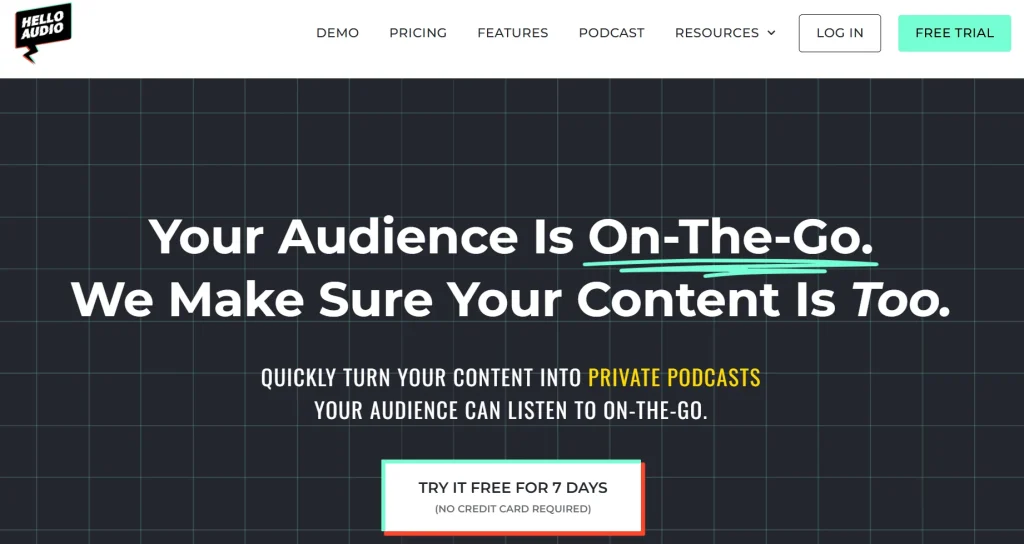
Hello Audio is a private podcast hosting platform that helps creators distribute audio content and monetize it in different ways. It is particularly useful for creators who want to repurpose existing content into premium audio experiences.
Some notable features include:
- Membership and subscription tools for offering premium content.
- Dynamic ad insertion for targeted advertising.
- Support for podcast sponsorships and listener donations.
- Private podcast distribution across major listening apps.
- Listener analytics and built-in audio tools to help track engagement and manage content.
Case Study: Podcast creator Jeremy Devins used Hello Audio to repurpose his content into private podcasts and generated an additional $16,000 in revenue.
Check out our instant demo for better insight into how Hello Audio supports content monetization.
Podbean
Podbean offers an easy-to-use dashboard for creators looking to promote and monetize their content on the same platform.
Creators can access monetization options, including Ad Marketplaces, crowdfunding, and dynamic ad insertion. You can also livestream your content and request listeners for donations to support your show.
Amazon Kindle
Amazon Kindle is the best monetization platform for creators with e-books, e-newspapers, and magazines.
The platform has a vast distribution network that creators can exploit to promote their content to global audiences and boost sales.
Other creators can also help you promote your content using affiliate links.
Other Platforms to Consider
Social media monetization and newsletter-based businesses have created even more opportunities for creators to earn from their audiences. Depending on the type of content you produce, the following platforms are worth exploring:
The best platform depends on the type of content you create and how you want to earn from it.
Challenges of Content Monetization
Most content monetization challenges are manageable with the right tools and a clear strategy. Being aware of these obstacles can help you plan ahead and avoid common pitfalls.
Here are the common challenges:
How to Monetize Content More Effectively
Getting consistent revenue for your content often comes down to your strategy and the experience you create for your audience.
Many creators combine subscriptions, sponsorships, affiliate marketing, and ads instead of relying on a single income source. Consistently delivering valuable content also gives people more reasons to support your work.
Here’s how you can get more from the content you create:
Audience Engagement and Community Building
Building a loyal audience can make it easier to monetize your content. Interact with your audience through comments, listener call-ins, and community platforms to make them feel appreciated.
People who regularly engage with your content are more likely to join your membership list and support your work. Over time, stronger engagement can lead to higher subscription conversion rates.
Content Promotion and Multi-Channel Distribution
Promoting your content is just as important as creating it. Paid ads, social media, email marketing, and SEO can all help bring new people to your work and keep existing followers engaged.
You should also think beyond a single platform. Joining distribution networks and getting listed in popular directories can improve discoverability and expand your reach across platforms.
Analytics and Performance Tracking
Tracking your performance can help you understand which content and monetization methods are producing the best results for your content. Review all the analytics regularly and use the insights to refine your strategy.
Different monetization methods rely on different metrics. Affiliate marketers often focus on CTR, membership creators on retention, and ad-supported creators on CPM and related advertising metrics.
Content Repurposing for Extended Revenue
Digital monetization gives you a lot more ways to earn from your existing content. Make use of your old content by adapting it into new formats, reaching different audiences, and creating additional revenue opportunities.
Here’s how you can repurpose your content:
Frequently Asked Questions (FAQs)
Below are answers to common questions about how to monetize content as a creator.
Can You Monetize Content Without a Large Following?
Yes. You can monetize content even without a large following.
While some platforms pose harsh monetization bottlenecks, Hello Audio lets you monetize your content even with only a few listeners.
What Are the Tax Implications of Content Monetization?
Your content creation income may be subject to taxes, which vary depending on your location and the type of income.
For instance, freelance creators may have to pay self-employment tax. If you earn revenue from other countries, you may also need to report that income or deal with foreign tax withholding.
Since tax rules vary, consider speaking with a tax professional for guidance specific to your situation.
Can You Monetize User-Generated Content?
Yes. You can monetize user-generated content, but you must have the original creator’s consent.
Otherwise, you risk your content being flagged or face legal implications for copyright infringement.
What Metrics Should You Track for Content Monetization?
Essential metrics to track for content monetization include:
- Audience Size: The number of active listeners or followers can influence your advertising and sponsorship rates. Growing your audience over time can create more monetization opportunities.
- Subscriptions: The number of subscribers and purchased membership tiers has a direct impact on your revenue. Changes in subscription numbers can also show how well your premium offerings are performing.
- Click-Through Rate (CTR): A high CTR on affiliate links can translate into more commissions. So, tracking this metric can show which products and offers people are actually clicking on.
- Platform-Specific Analytics: Metrics like downloads, donations, and engagement provide insight into how people interact with your content. These numbers can help you identify which formats and platforms contribute the most to your income.
What Is the Best Way to Monetize Content on Social Media?
Social media monetization varies from one platform to another. Here are some of the most common ways creators earn from social media:
- YouTube: The YouTube Partner Program allows creators to earn from ads, channel memberships, and Super Chats. Many creators also supplement this income with sponsorships and affiliate marketing.
- Instagram: Monetization opportunities on Instagram include creator bonuses, subscriptions, and brand partnerships. There’s also subscriber-only content where you can create membership opportunities and earn.
- Facebook: Facebook offers different tools that include in-stream ads, Stars, and subscriptions. Creators can use one or several of these features to generate income.
- TikTok: TikTok creators earn through creator funds and live gifts. The platform is also commonly used to promote products and memberships.
Conclusion
Understanding your monetization options is the first step toward building income from your content. Different content formats support different revenue models, and combining several strategies can help create more consistent earnings.
Choosing the right platform and following proven best practices can help you maximize revenue over time. While content monetization comes with challenges, regular promotion, audience engagement, performance tracking, and content repurposing can help you get more from the work you already create.
For creators looking to turn existing content into premium audio experiences, Hello Audio brings together private podcast distribution, membership tools, dynamic ad insertion, and listener analytics in one platform. It also makes it easy to repurpose content and distribute it across major listening apps.
Start your 7-day free trial with Hello Audio and explore new ways to monetize your content.