

Introduction
You do not have an audience problem. You have a place-to-gather problem. People will happily follow a creator, buy a course, or grab a lead magnet, then quietly drift off before they ever connect with anyone else in your world.
A strong online community fixes that, and the fastest way to build one is to study the people who already got it right.
Below are 14 online communities examples worth learning from, grouped by the kind of value they deliver. For each, you get what the community does and the one move you can borrow for your own.
TL;DR: 14 Online Communities Examples
Here is the full list, so you can skim first and dig into the ones that fit your audience:
- 1Hello Audio Community
- 2Coursera Community
- 3Pragmatic Institute
- 4Metal Treating Institute (MTI)
- 5Barista Exchange
- 6DNPs of Color
- 7Harley-Davidson (HOG)
- 8GoPro
- 9TripAdvisor
- 10Airbnb
- 11GitHub
- 12Stack Overflow
- 13Dribbble
- 14Behance
Types of Online Communities
Before the examples, it helps to know the shapes a community can take. Most online communities fall into one of five buckets, and plenty blend a few at once.
Here is a quick read on each type and where you have probably seen it:
- 1Brand communities: Fans gather around a product or company, which deepens loyalty and turns customers into advocates. Think PlayStation players trading tips and news.
- 2Support communities: Members troubleshoot and solve problems together, which quietly lightens the load on your support team.
- 3Learning communities: People come to build a skill and stay to learn from each other, common on platforms like Coursera and Udemy.
- 4Networking communities: Professionals connect, swap insights, and find opportunities, as LinkedIn groups and industry forums do.
- 5Fan communities: Shared passion pulls people together around a show, artist, or hobby, often on Reddit and Discord.
If you want to go deeper on where these live, our roundup of online community platforms breaks down the tools behind each type.
14 Successful Online Communities Examples
These 14 communities span very different niches, from creators running private podcasts to heat-treating engineers and adventure filmmakers.
Each one earns its spot for a reason you can copy, so read for the takeaway, not just the name.
Creator and Membership Communities
Start close to home. This first example shows how a focused creator community runs on tools people already use every day, with no custom platform required.
1Hello Audio Community
Our members gather in the Hello Audio community on Facebook, where creators using private podcasts trade strategies, ask questions, and cheer each other on. It runs on a platform they already check daily, so nothing stands between a member and the conversation.
What you can borrow: You do not need a custom platform to begin. A free space your audience already uses, paired with content they actually consume, is enough to get real conversations going.
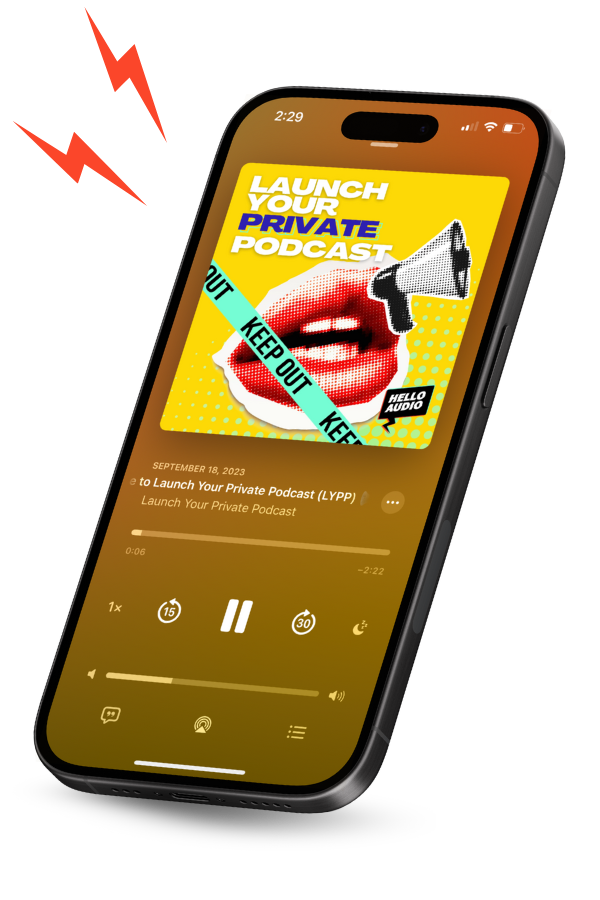
If you want your community to feel less like a scattered feed and more like a place people return to, we built Hello Audio for exactly that. Hello Audio is our private podcast platform for creators, so members consume your content in the podcast app they already use, with personalized feeds, listener tagging, and no logins or downloads to slow anyone down.
Start your free 7-day trial and hear the difference.
Educational and Professional Development
These three prove that a community can be the thing that finally gets people to finish what they started and keep learning together.
2Coursera Community
Coursera’s community gives learners a shared space to discuss course material, ask questions, and collaborate on projects. Someone learning data science or a new language is not stuck learning alone, which keeps them moving through the material.
What you can borrow: Tie a discussion space to your course so students learn from each other, not only from you. Peer momentum is what carries people to the finish.
3Pragmatic Institute
Pragmatic Institute keeps its alumni close long after the training ends. Graduates gather to trade ideas, attend webinars, and tap a shared library of resources, so the relationship does not stop at the sale.
What you can borrow: Turn past customers into an ongoing community. The people who already bought from you are the warmest audience you will ever have.
4Metal Treating Institute (MTI)
MTI serves the heat-treating industry, a niche most people have never heard of. Engineers, researchers, and practitioners meet in technical forums, at conferences, and through certifications that validate their expertise.
What you can borrow: A narrow niche is a strength. The tighter your focus, the more members feel the community was built specifically for them.
Special Interest and Lifestyle
Passion is the fuel here. These four communities show how a shared interest and a shared identity keep members coming back without any hard selling.
5Barista Exchange
Coffee professionals and enthusiasts use Barista Exchange to swap tips on latte art, troubleshoot espresso machines, and talk bean origins. From neighborhood cafes to specialty roasters, the whole chain shows up.
What you can borrow: Let members answer each other. When peers become the experts, you stop being the only voice keeping the room alive.
6DNPs of Color
DNPs of Color is a membership-based nonprofit where nurse practitioners of diverse backgrounds build their network, share experiences, and run mentorship programs. It is as much about belonging as it is about information.
What you can borrow: Identity and shared purpose create loyalty that money cannot buy. Give members a reason to feel seen, and they stay.
7Harley-Davidson (HOG)
The Harley Owners Group, known as HOG, is a brand community built entirely around a lifestyle. Riders swap road-trip stories, customize their bikes, and meet up at rallies all year long.
What you can borrow: Sell belonging, not just a product. People rarely rave about a purchase, but they will happily talk about who they became because of it.
8GoPro
GoPro turned its customers into its marketing department. The community shares point-of-view footage, offers filming tips, and enters challenges, and the best clips become the brand’s own content.
What you can borrow: Make your members the content. Featuring their work costs you little and gives them a reason to keep contributing.
Travel and Hospitality
Travel runs on trust, and both of these communities show how member contributions become the most persuasive marketing a brand can have.
9TripAdvisor
TripAdvisor’s community of travelers leaves reviews, rates hotels, and shares trip reports that shape where millions of people book. The forum does the convincing, not the company.
What you can borrow: User contributions become your most trusted marketing. A real member’s word carries further than any ad you could write.
10Airbnb
Airbnb supports more than 5 million hosts worldwide, and its community is where those hosts swap hosting tips, share guest stories, and help newcomers find their footing. Experienced hosts onboard the next wave.
What you can borrow: Support your power users well, and they will welcome and train the next group for you. Your most engaged members are your best onboarding team.
Technology and Software
Developers built some of the earliest and stickiest online communities, and these two still set the standard for collaboration and contribution.
11GitHub
The GitHub community revolves around building together. Developers contribute to open-source projects, report bugs, and review each other’s work, so the value is in what members create, not only what they discuss.
What you can borrow: Give members something to build together, not just chat about. Shared work creates a bond that small talk never will.
12Stack Overflow
The Stack Overflow developer community is where programmers post questions, answer each other, and earn reputation points for good contributions. One person’s coding struggle becomes another’s quick answer, and the reputation system keeps everyone participating.
What you can borrow: Reward contribution visibly. Badges, status, and public recognition keep your most helpful members motivated to keep giving.
Design and Creative Work
Creative communities work when they offer more than a place to post. These two connect members to real opportunities.
13Dribbble
Dribbble is a showcase where designers post work, get feedback from other creatives, and land projects from people browsing the gallery. The community doubles as a hiring pipeline.
What you can borrow: Give members a reason to show up beyond conversation. Exposure and opportunity pull people in far more reliably than a chat feed.
14Behance
On Behance, Adobe’s creative platform, artists and designers publish full portfolios, connect with collaborators, and get discovered by clients and agencies. It links members straight to outcomes.
What you can borrow: Connect your members to results, not just to each other. When your community leads to real opportunities, membership sells itself.
Best Practices for Building an Online Community
Studying great communities is one thing. Getting your own off the ground is another. A handful of habits separate the communities that thrive from the ones that go quiet after a month.
- 1Understand your audience: Learn what your members actually want before you build. Map their motivations, their challenges, and the moment in their day when they would open your community, then shape everything around that.
- 2Set clear guidelines: Decide early what belongs and what does not, and appoint people to hold the line. Consistent community moderation keeps the space safe and welcoming, which is what makes people comfortable enough to contribute.
- 3Make it easy to participate: Lower the bar to that first post. Icebreakers, introduction threads, and simple prompts help quiet members become active ones, and recognizing your regulars keeps them regular.
- 4Deliver value on a schedule: Give people a reason to return. Share useful content on a rhythm they can count on, whether that is articles, thoughtful podcast questions, webinars, or exclusive insights.
That last habit is where delivery format quietly decides whether people consume what you send. Many creators are moving community content into private audio for exactly that reason.
Dani Sheriff replaced her video replays with private podcasts for community support and reduced membership churn to about 1%, an illustrative result rather than a typical one, but a telling one about how much the delivery method matters.
Frequently Asked Questions (FAQs)
A few quick answers to the questions creators ask most when they start planning a community of their own:
What Are Examples of Virtual Communities?+
Virtual communities span every topic and format. Large public ones include Reddit, Stack Overflow, and LinkedIn groups, while niche ones can be as specialized as the Metal Treating Institute for heat-treating engineers or DNPs of Color for nurse practitioners.
Whether a community is public or private matters less than the shared purpose holding it together.
What Type of Online Community Is Most Common?+
Public interest-based communities are the most common, because they have the lowest barrier to entry. Anyone can join, and they grow naturally as people search for topics they care about.
Reddit is the best-known example at scale, but the same model powers small hobby forums and large fan groups alike.
How Do People Benefit from Online Communities?+
Members get three main things.
They learn faster by sharing knowledge with peers, they feel a sense of belonging and support around a shared interest, and they build connections that lead to opportunities, whether that is a job, a collaborator, or a client.
How Do You Start Your Own Online Community?+
Start with a clear purpose, then pick a format your audience will actually use. Many creators begin by turning content they already have, like course lessons, coaching replays, or a repurposed meeting recording, into an easy-to-consume feed, then grow the conversation from there.
Our full guide on how to build an online community walks through the steps.
Conclusion
Online communities are simply digital spaces where people with a shared interest keep showing up for each other. From learners finishing a course together to designers landing their next client, the best ones all do the same thing: they give members a reason to come back and a way to contribute.
You do not need a huge team or a complicated platform to begin. Pick the one habit from these examples that fits your audience, then build from there. The community you are picturing usually starts smaller and simpler than you think.
And if you would rather see how the delivery side works before you commit, we can show you. Hello Audio turns your existing content into a private podcast your members can binge on the go, with dripped feeds and automations that keep people moving through your material.
Watch the instant demo to see it in action.