
Introduction
You spent months building your online course. The lessons are sharp, the logins work, and the dashboard looks polished. Then you check the numbers, and half your students never made it past week two. Sound familiar?
Most of the time, the format is doing the damage. A course asks people to stop, sit at a screen, and click into a dashboard. A private podcast meets them on the go, in the app already on their phone. So which one actually serves your audio content better?
This guide walks through how the two compare, when each one wins, and how to deliver your course as audio your audience will finish.
TL;DR: Private Podcast vs Online Course
Here’s the short version of how a private podcast and an online course stack up for audio content:
- ●A private podcast is a delivery format. An online course is a container. They are not true opposites, and many creators use both.
- ●Five factors decide it: consumption and completion, how people get access, the content types each fits, listener data, and setup effort and cost.
- ●An online course wins when your material needs video, screen-shares, worksheets, quizzes, certificates, or a structured cohort.
- ●A private podcast wins when your content is audio-friendly; your real problem is getting people to consume and finish it.
- ●You do not have to choose. You can deliver your course content as a private podcast so students listen on the go, then keep video for the parts that need it.
What a Private Podcast and an Online Course Each Do
Before comparing them, it helps to be clear about what each format actually is, because they solve different parts of the same job.
What Is a Private Podcast?
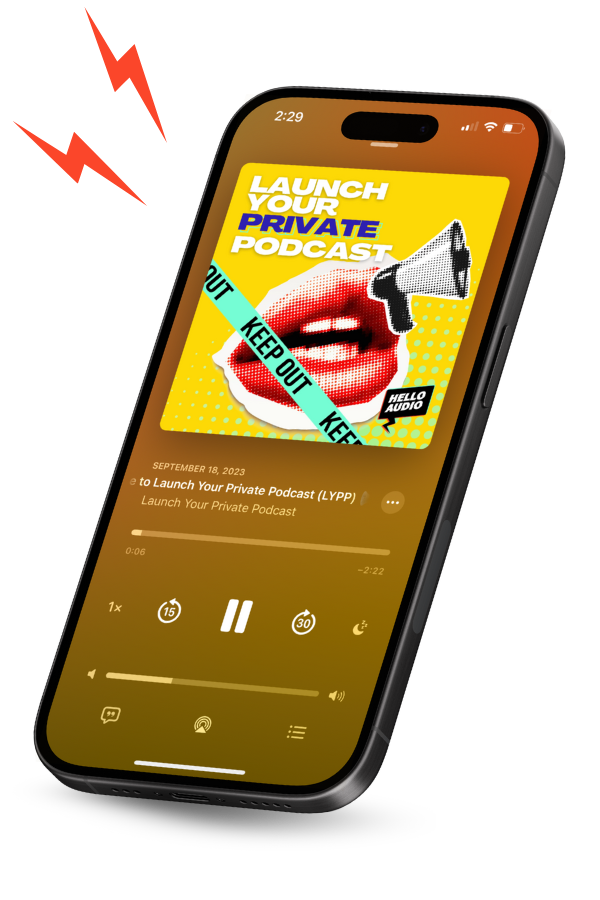
A private podcast is a show delivered to a specific, gated audience through the podcast app they already use, rather than published to the open directories. Each listener gets a unique feed, so students, members, or clients press play in Apple Podcasts, Spotify, or Overcast without a login or a download.
If you want the full breakdown, we cover the differences between public and private podcasts in a separate guide.
What Is an Online Course?
An online course is a structured container for your teaching, usually hosted in a learning management system or course platform. It holds video lessons, worksheets, quizzes, and progress tracking behind a login, and it gives you tools like modules, drip schedules, assessments, and certificates. The format is built for structured, often visual learning.
The distinction matters. A course is where your curriculum lives. A private podcast is a way to deliver that content in a format people finish. So the smartest question is usually which format for which part of your content.
5 Factors to Weigh Before You Choose
Here is the at-a-glance version, followed by the five factors that actually decide it for most creators:
| Factor | Private Podcast | Online Course (Video / LMS) |
|---|---|---|
| Best for | Audio-friendly content people consume on the go | Structured, often visual, curriculum |
| How people access it | Podcast app they already use, no login | Login to a dashboard or LMS |
| Content type it fits | Talking, coaching, replays, interviews | Video demos, slides, worksheets, quizzes |
| Consumption | High, fits into commutes and chores | Requires dedicated screen time |
| Listener data | Play duration and drop-off per listener | Module and lesson completion |
| Setup effort | Record or convert existing audio | Film, edit, and build in an LMS |
Weigh these five factors against your own content and audience before you commit to either format.
1Content Consumption and Completion
Consumption is the whole game, and it is where the two formats split hardest. Peer-reviewed research on online course completion has repeatedly found completion rates in the single digits for free and open courses, and even paid, well-designed programs often see a large share of students stop before the end.
Audio changes the math because it slots into time people already have. When your lesson can play during a commute or a walk, students get through it.
Results vary by creator, but the ceiling is high: one creator, Jade Jemma, reported a 90% completion rate on a three-week bootcamp delivered by audio, and Hello Audio reports 3X higher engagement than traditional content based on its own platform data.
2How Your Audience Gets Access
Access decides how often people actually press play. A course lives behind a login, so every lesson asks the student to stop what they are doing, sit at a screen, and click into a dashboard.
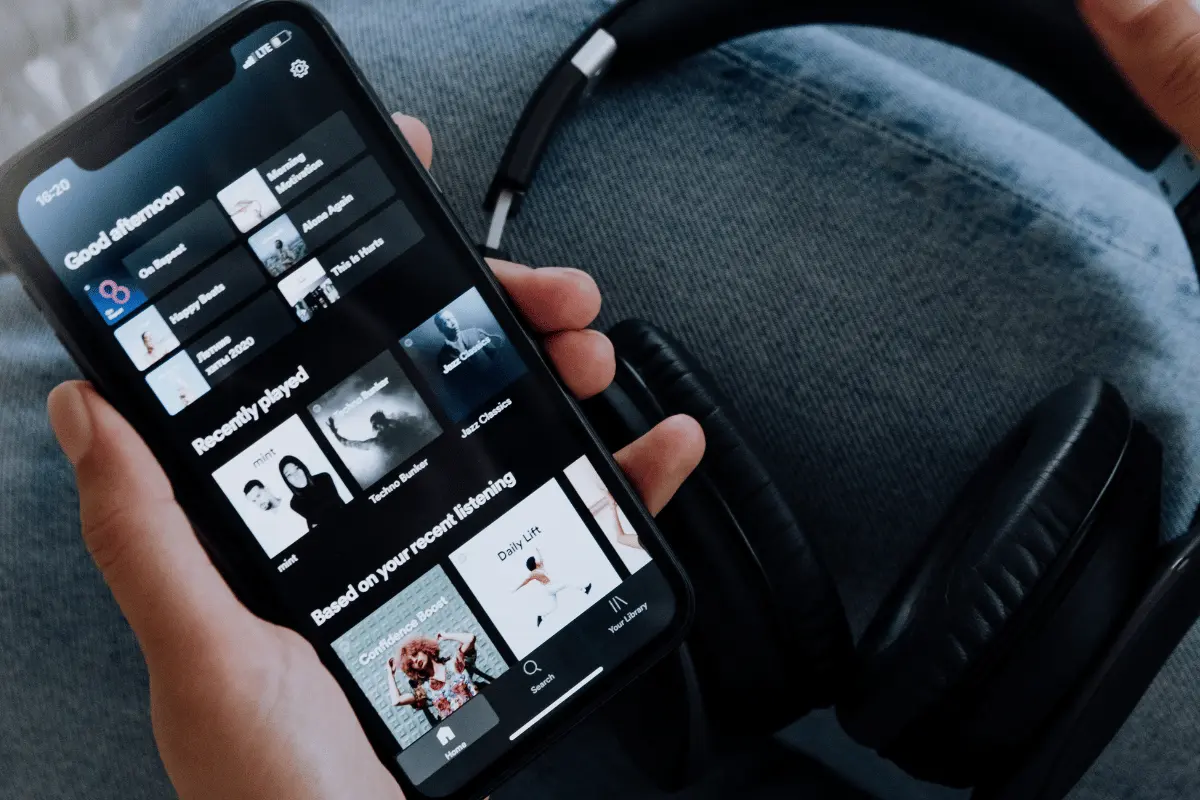
A private podcast meets them in the app already on their phone, with no new password and no download. More than half of U.S. adults now listen to podcasts in a given year, most of it on the go, so the format is already part of their routine.
For content people are meant to consume repeatedly, that gap in effort is the difference between a feed they finish and a course they mean to get back to.
3The Content Types Each Format Fits
Match the format to your material, because each one carries different content well.
Audio is the natural home for coaching, interviews, call replays, guided exercises, and anything that is mostly you talking. Video is the right call for software walkthroughs, screen-shares, slide-heavy teaching, and anything a student needs to see to follow.
A private podcast is audio-only by nature, so the visual parts of a curriculum still belong in a course platform. Sort your lessons into those two buckets and the right home for each becomes clear.
4Listener Data and Engagement
The data each format gives you shapes how well you can help people finish. A course dashboard tells you who finished which module. A private podcast platform goes further.
You can see play duration and drop-off for each listener, tag people by behavior, and trigger a follow-up the moment someone finishes a key episode. That depth turns delivery into a relationship, so you know who is stuck and can step in.
5Setup Effort and Cost
The lift to launch is very different. Building a course is a production: you film, edit, and assemble everything inside an LMS. Audio is far lighter.
You can record straight into an audio inbox or bulk-convert the video you already have, then drip it out on a schedule. For validating a new offer or refreshing stale content, audio gets you live in a fraction of the time.
When an Online Course Is the Better Choice
A private podcast is not the answer to everything, and a good course platform earns its place. Reach for a full online course when the format genuinely serves the learning.
Some material needs to be seen. Software tutorials, design critiques, spreadsheet walkthroughs, and anything built around a screen belong in video. Structured programs that depend on worksheets, quizzes, graded assessments, or a completion certificate also fit the course model, because those tools live inside an LMS. If your students move through a set curriculum together and lean on a shared dashboard, a course platform gives you the scaffolding for that.
Community and cohort structure is another honest win for the course side. If members gather around centralized resources and discussion, a membership or course hub is the better fit. We compare private podcasts and membership sites in more detail, and the takeaway is simple: pick the container that matches how your people actually learn.
When a Private Podcast Wins for Audio Content
When your content is audio-friendly and your real problem is getting people to finish it, a private podcast is the stronger format. Your audience already spends time in podcast apps, so playing your content feels familiar from the first tap.
That is exactly what we built Hello Audio to do. We are a private podcast platform that turns the content you already have, like courses, coaching call replays, lead magnets, and membership material, into private feeds your listeners play in the podcast apps they already use, with no logins and no downloads. We call ourselves the creator’s cure for unconsumed content, because our whole focus is helping your audience consume and complete what you deliver.
Here is what sets us apart for audio delivery to course creators:
- 1Video-to-audio conversion: Drop in the video you already have, and we convert it to audio automatically, so you can turn an existing course into a feed fast.
- 2Personalized feeds and listener tagging: You decide who hears what, and we let you tag listeners and route the right episodes to the right people.
- 3Automated actions: We trigger a follow-up the moment someone activates a feed or finishes a key lesson, so your nurture runs on autopilot.
- 4Dripped and expiring feeds: You control the pace, releasing episodes on a schedule or setting them to expire to match your launch or program.
- 5Listener analytics: We show you play duration and drop-off for each listener, so you can see who is stuck and step in.
- 6Audio inbox: Your recordings land ready to drop into a feed, which skips the download and upload dance.
Want to see it in action before you commit?
Watch our instant demo to see how fast we turn your existing content into private feeds, complete with listener analytics and automations that help your audience finish what you deliver.
Turn Your Course Content Into a Private Podcast
The most useful answer is often both. You can keep your course platform for the visual parts and deliver the rest as a private podcast so people actually consume it.
That is the move Kaitlyn Kessler made. She ditched her LMS for private podcasts, turning audio into her main content-delivery tool because it matched how she wanted to serve her clients: simple, on the go, and easy to finish. Others have layered audio onto an existing course and seen engagement climb, with one creator, Jaclyn Mellone, reporting student success up around 400% after leaning into audio. Treat those as individual results, not guarantees, but the pattern is consistent: when the format is easier to consume, more people get to the end.
The setup is lighter than most creators expect. Drop in the video you already have and let it convert to audio, gate the feed so only your students get access, and drip the episodes to pace the program. Your visual lessons stay where they belong, and everything else becomes a feed people finish.
Frequently Asked Questions
A few questions come up whenever creators weigh a private podcast against an online course:
Can You Turn an Online Course Into a Private Podcast?+
Yes. You can convert your existing video lessons into audio and deliver them as a private feed, or record audio-only lessons from scratch.
Many creators keep their course platform for visual material and add a private podcast so the rest gets consumed on the go.
Is a Private Podcast Better Than an Online Course?+
It depends on your content. A private podcast is better when your material is audio-friendly and your goal is higher consumption and completion.
An online course is better when the learning needs video, assessments, or a structured cohort.
Do Private Podcasts Replace an LMS?+
Sometimes. Creators whose content is mostly them talking, like coaches and consultants, often replace an LMS entirely.
Creators with heavily visual or assessment-based programs usually keep the course platform and use audio alongside it.
Does Audio Really Improve Course Completion?+
Audio removes the screen-time barrier and fits into time people already have, which tends to lift consumption.
Reported gains vary widely by creator and audience, so treat specific figures as illustrative examples rather than typical results.
Choose the Format Your Audience Will Finish
The private podcast versus online course question is really a consumption question. A course is a fine place to hold your curriculum, and for visual, structured, cohort-based learning it is the right tool. But if the content sits unfinished, the format is working against you.
Look at your own material and your own numbers. If your lessons are mostly you talking and your completion rates are low, audio is likely the missing piece. If your teaching depends on what students see and do on a screen, keep the course and add audio for the parts that travel well.
Either way, the winning move is to deliver your content in a format people actually get through. We built Hello Audio to turn the content you already have into private podcasts, with dripped feeds, listener analytics, and automations that help your audience finish.
Start your free 7-day trial, no credit card required, and see how much more of your content your audience gets through.