

Nearly 4.58 million podcasts are available worldwide, making it easier to publish a show but harder to give people a reason to come back. The podcasts that grow usually get the fundamentals right and create an experience listeners want to return to.
Whether you’re looking for podcast tips to improve an existing show or exploring podcasting for beginners, this guide covers every stage of the process. You’ll learn how to plan episodes, record better audio, edit efficiently, improve your podcast SEO, and promote your show.
You’ll also discover common mistakes to avoid and simple ways to create a podcast that sounds more polished.
Common Mistakes That Hold Podcasts Back
Every podcaster faces a learning curve. These podcasting tips address some of the most common mistakes creators make and show you how to fix them before they start affecting your audio quality, discoverability, and audience growth.
Common mistakes include:
Podcast Tips for Planning and Pre-Production
Before you start recording, you need to choose the right topics, prepare guests, and organize your recording schedule. These are the reasons that make the difference between an episode that feels polished and one that feels rushed. These podcast tips are especially useful for creators exploring podcasting for beginners and looking to build a reliable workflow from day one.
Let’s dive into the tips:
Format, Goals, and Audience
Choosing the right format is one of the very first decisions you’ll have to make as a podcaster. Each style comes with different strengths, production requirements, and levels of complexity.
Let’s understand this with a table:
Once you’ve decided on the format to start with, it’s time to define your ideal listener and the topics they care about. A clear listener persona makes it easier to shape your content, choose guests, and maintain a consistent tone.
Set a few goals early on and decide how you’ll measure them. Downloads per episode, subscriber growth, and leads generated can give you a clearer picture of how your podcast is performing over time.
Episode Structure and Scheduling
When you don’t have a plan, the episodes might feel rushed, and publishing dates can become inconsistent. Creating a structure for your episodes and a schedule for releasing them can make podcasting much easier to manage.
Episode length is another decision worth making early. Consistent runtimes give listeners a better idea of what to expect and make it easier to plan your content.
Here’s a practical example:
Having a clear structure also makes episodes easier to record and follow. Most podcasts use a simple framework that includes a hook, an introduction, the main content, an outro, and a call to action.
A publishing calendar can be just as important. Planning topics and recording dates in advance helps you maintain a consistent schedule and avoid scrambling for ideas at the last minute.
Here’s an example of a basic episode outline:
- Open with a question or an interesting fact to grab people’s attention.
- Introduce the topic and explain what listeners will learn.
- Cover the main talking points or interview segments.
- Summarize the key takeaways.
- Close with a call to action, such as subscribing, leaving a review, or visiting your website.
Keeping up with a schedule becomes much easier when you have the right tools in place to support your workflow.
Hello Audio helps simplify the workflow with Audio Inbox, which automatically pulls recordings from tools such as Zoom and Google Drive. AI-generated transcripts and show notes makes it easier to turn recordings into blog posts, emails, and social content. You can even turn existing videos into audio content, helping you get more mileage from the content you’ve already created.
If you’re looking for a more efficient way to manage your show, book a demo with Hello Audio today.

Podcast Tips for Recording and Audio Quality
Poor audio quality is one of the quickest ways to lose listeners, no matter how valuable your content may be. Clear sound makes episodes easier to follow and gives people a reason to come back for the next one.
Here are a few tips to make that happen:
1. Equipment and Studio Setup
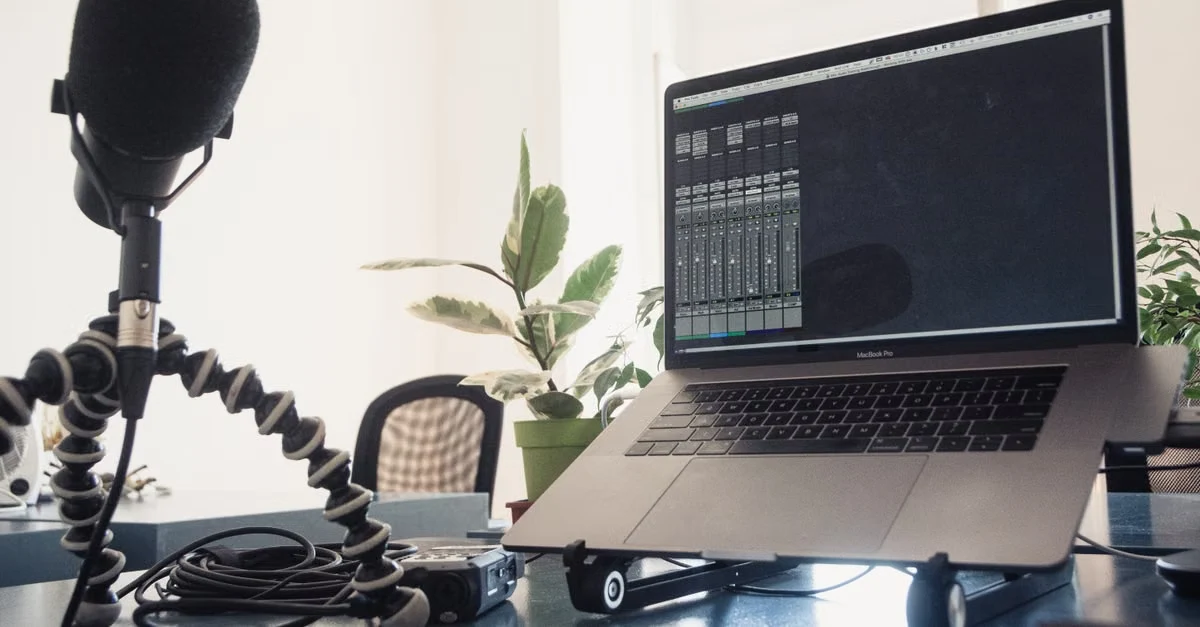
Good audio starts with the right setup. While you don’t need a professional studio to sound polished, a few essential podcasting equipment can make a noticeable difference.
Look at the table below:
You can also make a DIY few adjustments to your recording space to reduce echoes and unwanted background noise.
Rugs, curtains, couches, and pillows can help absorb sound and soften reflections. Some creators even record in closets because hanging clothes naturally damps down echoes. Turning off fans, silencing phones, and recording when the house is quiet can further improve audio quality.
2. Audio Recording and Editing Fundamentals
Recording habits have a direct impact on how much editing you’ll need later. Keep the microphone about 4-8 inches from your mouth, maintain a steady posture, and avoid touching the desk or moving around unnecessarily. Follow the above tips to reduce background noise.
Once the recording is complete, these podcast recording tips continue into the editing stage:
- Import your tracks into your editing software.
- Remove filler words, long pauses, and distracting sounds.
- Adjust and level the audio to maintain consistent volume.
- Add intro music, transitions, and other audio elements.
- Export the final episode in your preferred format for publishing.

Podcast Tips for SEO and Discovery
After creating a great podcast, you need to think about how people will find it. That means optimizing your titles, descriptions, show notes, transcripts, directory listings, and website. These tips for podcast SEO can help more listeners discover your content and grow your audience over time.
Let’s dive into the tips:
Keyword and Metadata Optimization
Think about the words and phrases that your audience might type into Google or a podcast streaming app when looking for content like yours. Be mindful to use those terms in your podcast title, episode descriptions, and show notes so your episodes are easier to find.
Your episode titles should tell listeners exactly what they can expect. For example:
Show notes provide another opportunity to include relevant keywords and summarize the main topics covered in each episode. A well-written description can also encourage more people to click and listen.
Directories, Transcripts, and Your Podcast Website
Next, you have to submit your show to major directories to increase its reach and make it easier for listeners to find you. Popular platforms include Spotify, Apple Podcasts, Amazon Music, YouTube Music, Audible, and Castbox.
Getting listed is usually a straightforward process:
- Upload your episodes to a podcast hosting platform and generate an RSS feed.
- Create accounts on your preferred podcast directories.
- Submit your podcast RSS feed and complete the required information.
- Wait for approval and begin publishing new episodes.
Transcripts can provide benefits beyond accessibility. They make your content available to hearing-impaired listeners and create keyword-rich text that search engines can index.
Pairing your episodes with a dedicated podcast website gives you even more opportunities to publish show notes, repurpose podcast content into blog posts, and build organic visibility over time.
Podcast Promotion and Audience Growth
Consistent promotion helps you reach new listeners, strengthen relationships with your existing audience, and keep your show growing over time.
Here’s how you can do that:
Collaborate With Other Creators
Building an audience takes time, which is why many podcasters grow together. Guest appearances, interviews, and cross-promotions can help you reach listeners who may never have found your show otherwise.
Podcast guest tips, such as preparing ahead of time and promoting each other’s episodes, can help both creators get more exposure from the collaboration.
Build an Email Newsletter
Email newsletters provide a direct way to stay in touch with listeners. Sharing new episodes, upcoming guests, and exclusive updates can help keep your audience engaged between releases.
Partner With Influencers
Working with influencers in your niche can expose your podcast to established communities. Their recommendations can also help build trust with potential listeners.
Pitch Your Podcast to the Press
People outside your audience won’t know your podcast exists unless you put it in front of them. Reach out to blogs, newsletters, and websites in your niche when you have a story, an interesting guest, or an episode worth sharing.
Encourage Reviews and Shares
Most people discover new podcasts because someone they trust mentioned them. That’s why it helps to remind listeners and guests to leave a review or share an episode they enjoyed.
Repurpose Your Content
Recording an hour-long episode and posting it once is a lot of work for a single piece of content. Breaking it into clips, audiograms, blog posts, and quote graphics gives you more opportunities to stay in front of your audience throughout the week.
Here’s how you can start:
Podcast Tips Every Beginner Should Know
Starting a podcast comes with a learning curve, and that’s perfectly normal. These podcasting tips for beginners focus on the habits that can make producing your first few episodes much easier:
Script Your Podcast
A simple outline can make recording much easier. Create a podcast script with an introduction, key talking points, transitions, and a call to action before you start recording.
Many podcasters use bullet points instead of a full script. It gives the episode some structure without making the conversation feel rehearsed.
Keep Your Editing Simple
Editing doesn’t have to turn into a long process. Start with the basics by removing obvious mistakes, trimming long pauses, and cleaning up distracting filler words.
Before publishing, listen to the episode one more time. It’s often the easiest way to catch rough transitions and make sure the conversation still sounds natural.
Take Breaks
Recording for long stretches can be tiring, especially when you’re trying to stay focused and keep your energy up. A short break between segments gives you a chance to reset and listen back to what you’ve recorded before moving on.
It’s also worth keeping some water nearby. Staying hydrated can help reduce mouth noises and make longer recording sessions more comfortable.
Publish Consistently
Consistency helps listeners know when to expect new episodes and gives you a steady rhythm for creating content. That doesn’t mean you have to publish every week.
Choosing a schedule that fits your workload and recording a few episodes in advance can make the process much easier to manage.
Keep It Real
People don’t expect perfection when they listen to podcasts. Small moments of humor, personal stories, and natural conversations often make episodes more enjoyable.
Letting your personality come through can help listeners feel more connected to your show.

Frequently Asked Questions (FAQs)
Below are answers to common questions about getting started and growing a podcast.
How Often Should I Release New Podcast Episodes?
You can release an episode daily, weekly, bi-weekly, or monthly. The frequency of your releases typically depends on the trending topic, audience, guest schedules, budget, and podcast format.
How Do I Get My Podcast Listed on Major Directories?
Getting your podcast onto major directories is fairly straightforward. Most platforms follow the same basic process:
- Upload your audio files to a podcast hosting platform.
- Generate an RSS feed for your show.
- Submit the RSS feed URL to podcast directories such as Spotify, Apple Podcasts, and YouTube Music.
- Wait for approval and start publishing new episodes.
Most podcast hosting platforms handle the technical side for you. For example, Hello Audio automatically generates an RSS feed and can distribute episodes to popular listening apps, making the setup process much easier.
How Do I Choose a Podcast Hosting Platform?
A few features are worth considering before you commit to a platform:
- Analytics: Good reporting can help you understand which episodes are getting the most attention.
- Integrations and distribution: Connections with other tools and support for major podcast directories can make publishing easier.
- Ease of use: Uploading episodes and managing your podcast shouldn’t feel complicated.
Many podcast platforms offer these features. For example, Hello Audio provides listener analytics, integrations with tools like Zapier and ActiveCampaign, and automatic distribution to popular listening apps.
What Are the Best Podcast Tips for Solo Hosts?
Solo hosting requires a little more preparation. If you’re wondering how to be a good podcast host, try these habits:
- Work from an outline instead of a word-for-word script.
- Listen for pacing issues when editing.
- Maintain consistent energy during longer recordings.
- Record multiple episodes in advance to stay on schedule.
Conclusion
A lot of podcast growth comes down to the small things people don’t always think about. Planning episodes, cleaning up the audio, and making it easier for listeners to find your show can have a bigger impact than you might expect.
Start with the fundamentals, improve as you go, and let each episode build on the last.
If you’re creating private podcasts, choosing the right platform can make the process much easier. Hello Audio automatically converts your content into private podcast feeds, distributes episodes to popular listening apps, and provides listener analytics to help you track engagement.
We also allow integration with tools like Zapier and ActiveCampaign, making it easier to manage and grow your audience.
Ready to get started? Sign up for Hello Audio’s free 7-day trial and turn your existing videos and audio recordings into private podcasts in minutes.