

Virtual events have gained prominence over the last few years, with 80.2% of event organizers reporting that they’ve been able to reach a wider audience through virtual formats.
The positive implications include lower organizational costs and the unlocking of global audiences. However, virtual events are constantly evolving, so you must stay up to date on new trends.
This blog explores the evolution of virtual events, including emerging trends and best practices for success.
Let’s get to it!

Why Understanding Virtual Event Trends is Crucial for Success
Wondering how understanding virtual event trends could benefit your brand?
Here are the main incentives for staying updated with the evolution of diverse virtual event types:
- Maximizing ROI and Cost Efficiency: Virtual events can reduce costs, but results vary depending on how they’re executed. Staying updated helps you focus on what actually drives impact, whether that’s better engagement formats or smarter content distribution, instead of spending on features that don’t deliver value.
- Enhancing Audience Engagement: People drop off fast in virtual events. If it drags, they leave. Following trends helps you keep sessions tighter and more interactive, so people actually stick around.
- Adapting to New Technology: Event technology is evolving rapidly, especially as AI becomes increasingly integrated into the experience. Knowing what’s changing helps you use the right tools without overcomplicating things.
- Staying Competitive: As more brands invest in virtual and hybrid events, expectations continue to rise. If your format feels outdated, people notice. Staying updated helps you keep things relevant.
- Expanding Reach Without Losing Relevance: While virtual events make it easier to reach an audience worldwide, not all virtual event formats work for every audience. Understanding trends helps you choose the right format, whether fully virtual, hybrid, or something more specialized.
- Making Better Use of Data: Virtual events generate a lot of data, but it’s only useful if you know what to look for. Staying updated helps you interpret attendee behavior and use those insights to improve future events and follow-ups.
The Evolution of Virtual Events
The history of virtual events dates back to the 1960s. However, the first successful virtual event was not documented until the mid-1990s.
Below is an overview of the evolution of virtual events, including notable milestones:
The Rise of Virtual Events (1990s to 2000s)
Xerox PARC and Visual Data Corporation are credited with organizing among the first virtual events ever documented, both taking place in 1993. However, the events were basically live broadcasts over the internet.
Next, companies like WebEx and GoToMeeting launched virtual communication platforms that supported videos and voice calls over the Internet (VoIP).
However, the technologies were expensive, limiting their use to high-value corporate conferences and global meetings.
Expansion in the 2010s
Rapid technology advancements and fast internet in the 2010s caused an upsurge in the adoption of virtual events, as people had access to internet-enabled devices like smartphones and tablets.
Also, social media platforms like Facebook started supporting live streams, which expanded the use of live events to niche audiences like online gaming enthusiasts and concert fans.
The Pandemic Boom (2020-2021)
With the outbreak of the COVID-19 pandemic, many people were forced to work from home or self-isolate for treatment.
Event organizers pivoted to virtual events to compensate for the canceled in-person meetings.
Technology companies sought to provide immersive experiences by creating interactive booths that mimic real-life spaces.
Post-Pandemic Virtual Events
Once in-person events came back, virtual events didn’t go anywhere. They simply became part of how events are done.
Hybrid formats are now common, giving people the option to attend in person or join online. This helps organizers reach a wider audience without losing the value of face-to-face interaction.
At the same time, virtual elements are being used more strategically to extend their reach through recordings, on-demand access, and content reuse.
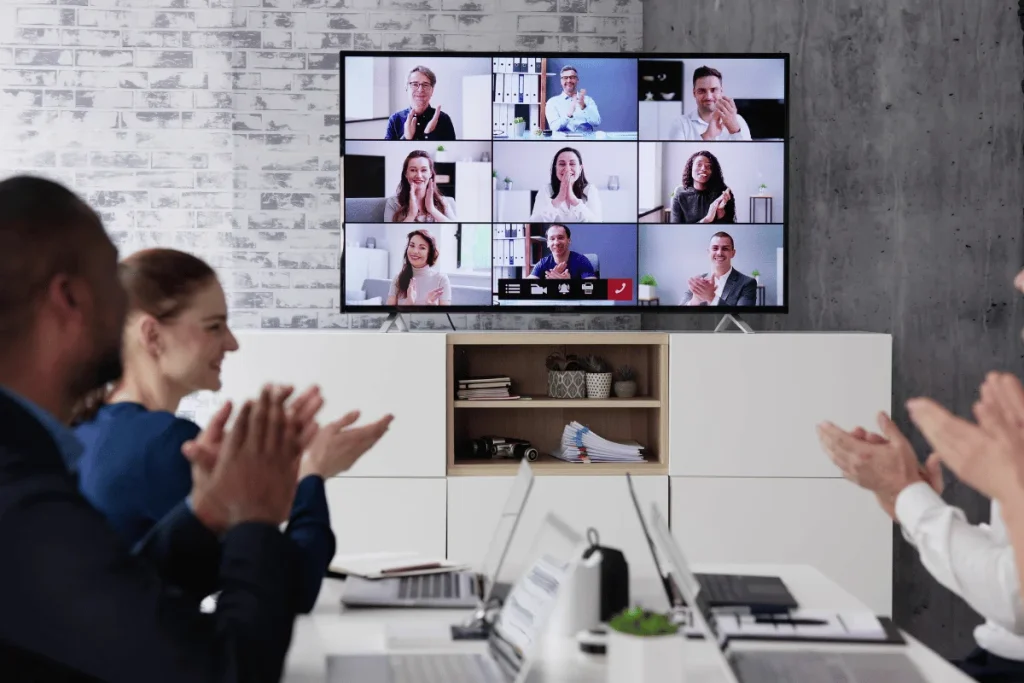
Virtual vs. Hybrid Events
When you look at virtual and hybrid events, it can feel like variations of the same idea. In reality, they operate very differently once you factor in scale, experience, and long-term value.
This comparison breaks down what actually changes:
Emerging Trends in Virtual Events for the Upcoming Year
Virtual events are quickly evolving to meet changing market demands and user expectations.
We have compiled a list of emerging virtual event trends that we expect to dominate the next 12 months:
- AI Integration: AI will move beyond just basic personalization to play a more active role throughout events. Expect AI-powered assistants that guide attendees, recommend sessions in real time, generate instant summaries, and provide live insights to speakers.
- Content Repurposing: In the near future, all events will be designed with post-event distribution in mind. Sessions will be automatically transformed into podcasts, short-form videos, and written content, extending the lifespan and reach of every event.
- Hybrid Event: All hybrid events will become more intentional, with separate yet equally engaging experiences for the virtual and in-person audiences. Organizers will invest in formats that reduce the gap between the two, rather than treating virtual as a secondary layer.
- Immersive Technologies (VR/AR): You’ll see more event organizers experimenting with VR and AR. Organizers will be adding things like 3D demos or AR moments that make certain parts of the experience stand out.
- Gamification: Gamification will go beyond basic points and badges, with more thoughtfully designed formats such as challenges, simple storylines, and rewards that give people a reason to stay engaged.
- Accessibility and Inclusivity: Accessibility will move from being an add-on to something built in from the start. Additions like captions, language options, and interfaces that don’t require a learning curve will be basic.
- Predictive and Real-Time Analytics: Event platforms will get better at reading what attendees are doing in real time, so organizers can tweak sessions, timing, and engagement while the event is still going on.
- Sustainability: becomes harder to ignore, virtual and hybrid events will be framed as the more responsible option, mainly because they cut down on travel and all the excess that comes with it.
Virtual Event Marketing Trends
Virtual event marketing now extends well beyond the event itself. Now, sessions are just the starting point; all the content gets repurposed into clips, audio, and summaries that continue to circulate across different channels.
The numbers reflect that shift. The virtual events market is now expected to reach $650.67 billion by 2030, growing at a CAGR of 22.6%. That kind of growth is tied closely to how long content stays useful after the event itself.
Here’s how that’s showing up in practice:
- Events as Content Sources: Most teams now think beyond the live session. One event can be turned into clips, posts, summaries, or even audio formats. This makes the effort put into the event stretch much further.
- On-Demand Access as a Standard: Not everyone shows up live, and that’s fine. Recordings are usually made available afterward so people can watch at their own pace. This also means the event continues to attract viewers even after it’s over.
- Community-Driven Growth: Instead of starting from scratch every time, many teams mainly focus on building an audience they can reach again. This could be an email list, a private group, or a community space where conversations continue beyond the event.
- Creator-Led Distribution: Events are being promoted through collaborations with creators and industry voices. This expands reach and attracts audiences already engaged and aligned with the topic.
- Personalization Using Data: There’s more attention paid to what attendees actually do, such as what they click on, what they watch, and where they drop off. That data helps shape future events, send better follow-ups, and make the overall experience more relevant.
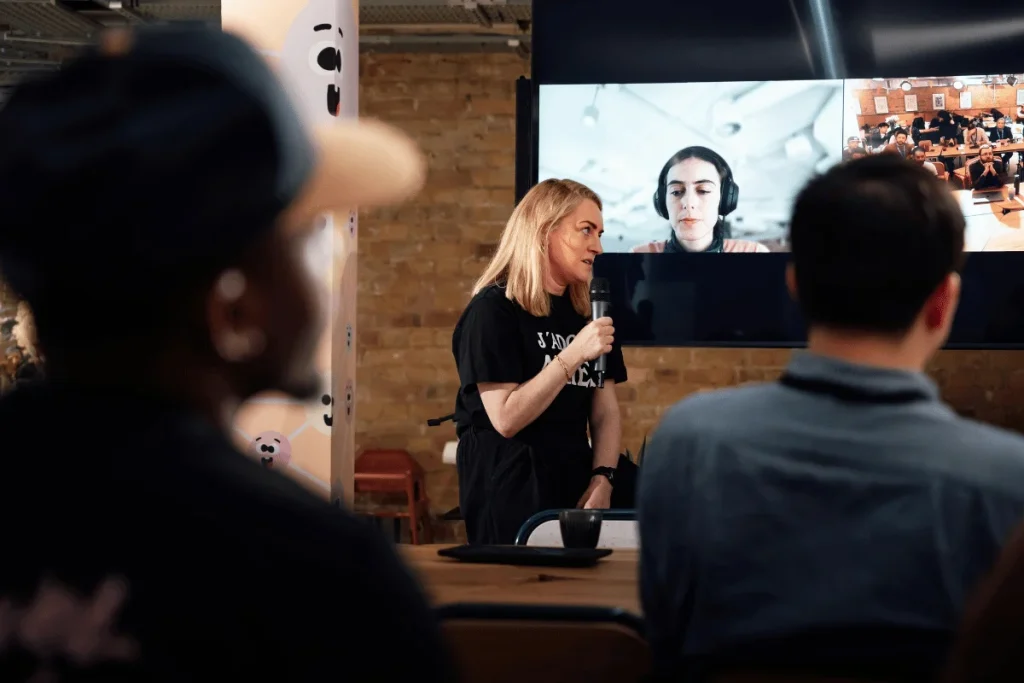
Critical Components of Successful Virtual Events
A good virtual event is one that people show up for, stay through, and come back to later.
Here’s what actually makes that happen:
- Clear Goals: Start with a clear outcome. That could be generating leads, training users, or building a community. Once that’s defined, the rest of the event becomes easier to plan.
- Simple Registration and Access: The longer the path from sign-up to joining, the more people you lose, so cut unnecessary steps, send timely reminders, and make access direct.
- Content That Holds Attention: If you’re planning long presentations for online audiences, there is a chance that they will fall flat. Instead, plan for shorter segments, focused topics, and clean visuals that tend to work better.
- Built-In Interaction: People won’t stay engaged if they’re just sitting and watching. Include polls, Q&A, or even small prompts during the session, to give your audience a reason to stay involved rather than drift away.
- Structured Networking: Open networking rarely works online. Smaller groups or topic-based discussions give people a reason to actually participate.
- Real-Time Insights: Watch how people are engaging during the event. Where they drop off, what they interact with, what gets ignored. This helps you adjust quickly.
- Post-Event Follow-Up and Reuse: The live session is just one part. If you don’t do anything after, most of that content just gets forgotten. Sharing the recording, pulling out the useful parts, and letting people come back to it later is where you really get more value out of the same event.
Virtual Event Platform Selection Criteria
Want to know which virtual event platform is right for you? Here are a few practical things to look at:
Audience Size and Type
Start with who’s attending your event. The setup would be very different for a small workshop and a large conference.
Some platforms work better for smaller, interactive sessions. Others are built to handle thousands of attendees at once. Knowing your scale makes the decision easier.
Engagement Features
Basic video streaming isn’t enough for most events.
Look for features like live chat, polls, Q&A, and breakout rooms. These make a big difference in keeping people involved, especially during longer sessions.
Ease of Use
If the platform is hard to use, it will create friction for both organizers and attendees.
Simple registration, clear navigation, and a clean interface usually matter more than loading the platform with too many features.
Analytics and Reporting
After the event, you’ll want to know what actually worked.
Good platforms provide insights into attendance rates, engagement levels, and session performance. This helps you improve future events instead of guessing what might have worked.
Integration with Other Tools
Most events don’t run in isolation.
It helps if the platform connects with your email tools, CRM, or marketing software. This makes it easier to manage registrations, follow-ups, and communication without extra manual work.
On-Demand Capabilities
A lot of people won’t attend live, so having recordings available is important.
There are some platforms that make it easy to store, organize, and share content after the event. This is especially useful if you plan to reuse sessions later.
Technical Reliability
Even small technical issues can throw off the entire experience.
That’s why you need to look for a platform that is reliable under load, handles traffic spikes, and offers real support if something breaks, especially for larger or high-stakes events.

The Future of Virtual Events
Curious to know where virtual events are heading? Here’s what’s starting to take shape:
- More Focus on Experience Design: Events will be planned less like presentations and more like experiences. How people move through the event, interact with others, and stay engaged will matter just as much as the content itself.
- Stronger Sense of “Being There”: One of the biggest gaps in virtual events is the lack of presence. Future formats will focus on making interactions feel more natural, whether that’s through better layouts, smaller group settings, or more fluid conversations.
- More Interactive Formats: Watching sessions back-to-back won’t hold up. Events will lean more into participation, like discussions, collaboration, and formats where attendees are involved instead of just listening.
- Events Built Around How People Actually Interact: Instead of copying in-person formats, virtual events will evolve in a better way on their own terms. That means designing for shorter attention spans, flexible access, and how people behave online.
- Greater Emphasis on Community: Events will play a much bigger role in bringing people together over time, beyond the main event. The focus will shift toward creating spaces where people can return, interact, and stay connected.
- More Thoughtful Use of Technology: Technology will still play a big role, but the focus will shift to how it improves the experience. Tools that make events easier to navigate, more interactive, and more human will matter more than adding features for the sake of it.
How Businesses Can Stay Ahead in the Evolving Digital Landscape
Given the rapid evolution of virtual events, businesses must actively devise new ways to stay ahead of the competition.
Below are some proven virtual event best practices to maintain a competitive edge in an evolving digital landscape:
- Build an Event Ecosystem: Treat events as part of a larger system. One event should feed into the next if you’re aiming to grow your audience, improve your format, and strengthen your positioning over time.
- Prioritize Audience Quality Over Scale: Bigger audiences don’t always translate into better results. Put most of your resources into attracting the right people and creating experiences that clearly align with their intent, whether that’s learning, networking, or decision-making.
- Own Your Distribution Channels: A big part of your audience won’t show up live. If the content only exists in that moment, you lose most of its value. Giving people a way to come back to it later makes a difference.
- Use Data to Refine Strategy: It’s easy to look at numbers like registrations or attendance. What’s more useful is seeing where people stay, where they drop off, and what they engage with.
- Create Private Podcasts: Use Hello Audio to convert your webinars, conferences, and online training sessions into private podcasts and export them to platforms like Google Podcasts, Apple Podcasts, and more. This can help you build an online community for your brand.
Wondering how to use podcasting to get a competitive edge in the virtual events space?
Check out our case studies to learn effective ways to use private podcasts to bring massive value to your audience.
Challenges in Modern Virtual Events
Virtual events work well, but a few issues show up consistently once you start running them at scale. Most of them come down to how people behave online versus in person.
Here are the main ones:
Keeping People Engaged
It’s easy for attendees to lose focus or drift away halfway through a session. With multiple tabs open and constant distractions, attention drops faster than expected.
This usually improves when sessions are shorter, more structured, and broken up with small interaction points like polls or quick Q&A moments.
Making Networking Feel Natural
Networking is one of the hardest things to get right online. Random breakout rooms often feel forced, and people don’t always know how to start conversations.
A smaller, more topic-based group or moderated discussions tend to work better because they give people a reason to engage instead of leaving it open-ended.
Handling Technical Issues
Even small glitches like audio delays or video issues can throw off the flow of an event.
Running a full test beforehand, having backups ready, and keeping the setup simple help avoid most of these problems.
Avoiding Content Fatigue
Long sessions and heavy presentations don’t usually land the same way online. What might work in a room can feel tiring on screen.
That’s why keeping sessions focused, spacing things out, and sticking to one clear idea at a time helps people stay with you.
Choosing the Right Platform
The wrong platform can limit interaction or make the event harder to manage than it needs to be.
It helps to match the platform to your format, whether it’s a small interactive session or a large broadcast, and then test the key features before going live.

Frequently Asked Questions (FAQs)
Let’s address the most frequently asked questions people ask about virtual event trends:
What Are Some Key Platforms for Hosting Virtual Events?
For smaller sessions or webinars, tools like Zoom, Microsoft Teams, and Google Meet are usually enough.
If you want to run something on a larger scale, like a conference or expo, then platforms like vFairs give you more control over how everything looks and runs.
How Can Virtual Events Be Monetized?
There are a few common ways businesses generate revenue from virtual events:
- Ticket Sales: Charging audiences for access still works, especially if you have niche or high-value content.
- Sponsored Segments: Instead of just adding banners, sponsors are often integrated into sessions, panels, or content itself.
- Private Podcasts: You can record the virtual event and easily repurpose the content with private podcasts that you can lock behind a paywall.
- Community or Membership Models: Some businesses use events as part of a larger paid community, where access to sessions is included.
- Merchandise: Sell virtual (gift cards) and tangible merchandise like branded mugs and t-shirts.
What Are Some Strategies to Promote Virtual Events?
Promotion now starts well before the event and continues after it ends.
Strategies include:
- Email an Existing Audience: Your strongest channel is usually your own list or community.
- Content-Led Promotion: Sharing clips, insights, or previews will help you build interest, rather than relying solely on announcements.
- Creator and Speaker Reach: Collaborating with speakers or creators helps you tap into audiences that already trust them.
- On-Demand Discovery: Making content available after the event helps you reach people who didn’t attend live.
How Do You Measure ROI for Virtual Events?
Start with what actually came out of the event:
- Attendance: How many people showed up compared to registrations
- Engagement: How long they stayed and whether they interacted
- Leads: Number of relevant leads collected
- Conversions: Sign-ups, demos, or sales after the event
- Revenue: Any direct income from tickets or sponsors
These give you a clear sense of whether the event was a success or if you just gained views.
Conclusion
Virtual events are now a core part of how events are planned and delivered.
Now, the shift is toward making events more useful beyond the live session. What matters now is how well the content holds up after, and whether people can come back to it.
That’s where repurposing starts to matter more. Instead of letting sessions sit unused, turning them into formats people can revisit helps you get more out of the same effort.
Tools like Hello Audio make this easier by turning your event recordings into private podcasts in minutes. Instead of editing, uploading, and managing distribution across platforms, you can package everything in one place and give your audience a simple way to listen anytime.
Sign up with Hello Audio and repurpose your webinars and virtual events into private podcasts.