

Are you curious about how to monetize a podcast and turn your passion into profit?
This guide will show you everything you need to know about strategy. So, if you want to learn how to get paid to podcast, read on, and you’ll discover the nuances of:
- Direct and indirect monetization
- Sponsorships and exclusive content
- Podcasting platforms that make the difference
Let’s help you make your podcast outstanding and profitable.
TL; DR – How to Monetize a Podcast
The short answer on how to make money with podcasting is combining great content with a dedicated audience and having a savvy strategy from the get-go. Here’s the concise version of the process before we delve into all the details:
- Niche Down: Identify a niche you’re passionate about to attract a dedicated audience and sponsors.
- Understand Your Audience: Deeply know your listeners to create resonating content and obtain relevant sponsorships.
- Plan Your Content: Ensure consistent, high-quality episodes based on a content calendar and consider repurposing content into podcasts.
- Invest in Good Equipment: Prioritize decent audio quality with a good microphone and editing software.
- Build a Brand: Develop a robust and recognizable brand for your podcast with a catchy name, professional artwork, and a compelling description.
- Market Your Podcast: To grow your audience, use various channels, such as social media, SEO, guest podcasting, and collaborations.
- Choose a Monetization Strategy: Plan how to monetize your podcast through ads, sponsorships, merchandise, crowdfunding, or premium content.
- Leverage Analytics: Use podcast analytics to understand your audience better and tailor your content and monetization strategies.
Want more control over your podcast content and how you monetize it? Hello Audio lets you lock premium episodes, manage listener access, and turn existing content into private podcasts your audience can listen to anywhere.
Sign up with Hello Audio to start building a podcast experience designed to grow your revenue.

Are Podcasts Profitable?
Podcasts can earn you anything from pennies to thousands of dollars.
The podcast industry continues to grow fast, especially for creators with loyal audiences and strong monetization strategies. Joe Rogan reportedly signed a new Spotify deal worth up to $250 million, showing how valuable podcast audiences have become for brands and platforms alike.
But before the money starts coming in, you still need content people actually want to listen to, an audience that keeps showing up, and a smart way to monetize the podcast. You can make podcasts a solid income stream when the right pieces are in place.
DID YOU KNOW?
One answer to the question of how to make a podcast profitable is branded podcasts. Podcast advertising continues to perform well because listeners are highly engaged with the content they hear.
In fact, recent research found that 85% of podcast audiences have taken some kind of brand action after consuming podcasts.
How Long Does It Take For A Podcast To Make Money?
The journey from starting a podcast to making money can vary a lot. Generally, it might take a few months to a year to start seeing some cash flow.
It depends on how you build an audience and attract sponsors or advertisers. Patience and consistency are your best friends. Keep at it; with some hustle, your podcast can earn money.
How Do Podcasts Make Money?
Podcasts can generate revenue through sponsorships, ads, premium content subscriptions, and merchandise related to the show. As your podcast grows, you can start earning through one or several of these income streams at the same time.
All these are types of the following broader strategies of podcast monetization:
Direct Vs. Indirect Podcast Monetization
Making money off podcasts can fall into two main categories: direct and indirect monetization. As you’ll see below, each path has its strPodcast monetization usually falls into two categories: direct monetization, where your podcast generates revenue, and indirect monetization, where the podcast helps generate income through external opportunities.
Here’s a look at how both approaches work and the different ways creators use them to make money:ategies and benefits, depending on your audience size, niche, and personal or business goals.
How to Get Sponsors For a Podcast
First, to catch the eye of sponsors, ensure your podcast shines with quality content and a solid listener base.
Take some time to learn who’s listening to your podcast and how they are interacting with your content. Sponsors want to know who they’re reaching, and having that information makes your pitch a whole lot stronger.
Before reaching out to sponsors, make sure you have:
- A media kit with details about your podcast
- Listener or download numbers
- Basic audience demographics
- A few examples that show audience engagement
You can also use platforms like Podcorn and AdvertiseCast to connect with potential sponsors, or attend events like Podcast Movement to meet brands and podcast advertisers directly.
How Much Do Podcast Sponsors Pay?
Podcast sponsorship payments can vary quite a bit depending on the type of deal, the audience size, and how the ads are delivered. Here are some of the most common payment models:
Best Podcast Platform for Monetization
The best podcast platform for monetization really depends on how you plan to earn from your content. Below are a few popular platforms creators use for ads, subscriptions, premium content, and private podcasts:
How to Monetize a Podcast Using Hello Audio
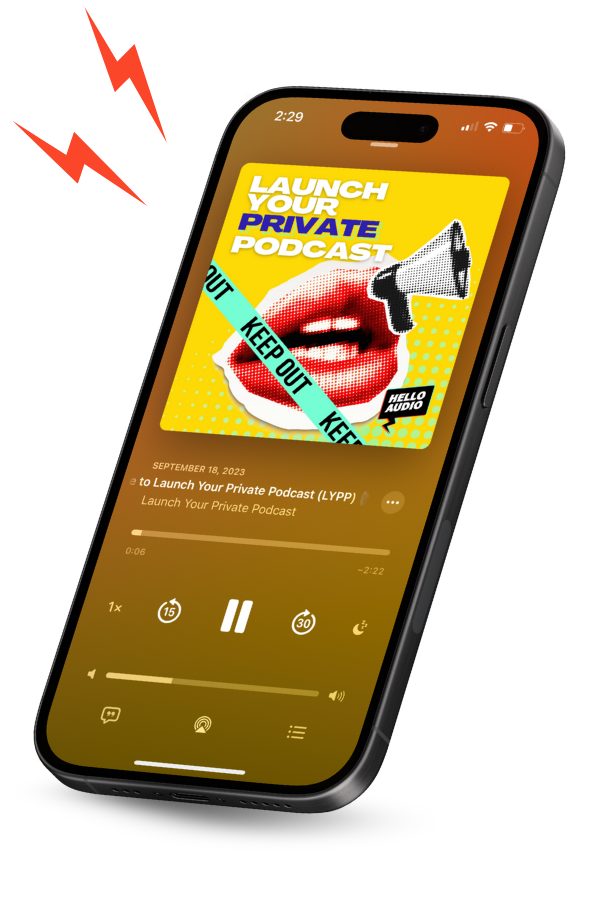
Monetizing with Hello Audio is easy because you can turn any content into audio and put it behind a paywall. This controlled access, combined with personalized content, allows you to create valuable subscription-based or exclusive offers that attract listeners.
Here are a few materials you can upload as audio episodes on the platform to make money:
- Courses, books, and lead magnets for ideal customers
- Coaching call replays
- Keynotes or summit speeches from virtual events
- Blog content, emails, and newsletters
Hello Audio users have found creative ways to turn audio into revenue and audience growth. Angie Jordan turned her webinar with low show-up rates into a private podcast event that sold out in 3 days. Business coach Holly Haynes has also used private podcasts as the primary nurture tool behind 8 launches of her signature program, Antisocial School.
Getting started is pretty straightforward, even if you have never launched a podcast before. Hello Audio keeps the setup simple so you can focus more on creating content and less on figuring out the tech side.
DID YOU KNOW?
Over 70% of all new Hello Audio users launch their first audio feed in less than 24 hours.
Watch this instant demo to see how this platform works.

How to Monetize a Podcast on Spotify
Spotify is a growing platform for podcasters looking to tap into diverse revenue streams. However, monetizing your podcast on this platform requires following some rules and experimenting with its revenue channels.
In the two sections below, we’ll cover Spotify’s eligibility requirements and look at the different ways creators can earn money on the platform.
Spotify Podcast Monetization Requirements
Before Spotify starts showing you monetization options, your podcast needs to meet a few baseline requirements. Here’s what Spotify currently looks for:
Do Podcasters Get Paid on Spotify?
Yes, podcasters can earn money on Spotify, but the platform now handles monetization a little differently than it used to. Here are the main ways creators currently get paid through Spotify:
- Spotify Partner Program: Eligible creators can earn a share of ad revenue when ads play on their episodes. Spotify currently gives creators 50% of the recognized ad revenue generated through the program.
- Premium video revenue: Video podcasters in the Spotify Partner Program can also earn money based on how much Spotify Premium subscribers stream their video episodes in supported markets.
- Sponsorships: Creators can work directly with sponsors and place host-read ads into episodes. Spotify has also added tools that let creators swap or update sponsorship segments without re-uploading episodes.
- Podcast subscriptions: Creators can offer subscriber-only episodes and charge listeners a monthly fee for premium content through Spotify Subscriptions.
DID YOU KNOW?
For legal and licensing reasons, Spotify monetization features are still limited for podcasts that include copyrighted third-party music you do not own the rights to use.

How to Monetize a Podcast on YouTube
YouTube gives podcasters multiple ways to earn money, but most monetization features are tied to the YouTube Partner Program (YPP). To qualify for the full YPP, your channel currently needs to:
- No active Community Guidelines strikes
- 2-step verification turned on for your Google account
- At least 1,000 subscribers
- Either 4,000 valid public watch hours in the past 12 months or 10 million valid public Shorts views in the last 90 days
- Compliance with all YouTube monetization policies
- A linked AdSense account
Once you’re accepted into the YPP, you can monetize your podcast through several features:
- Ad revenue: Run ads before, during, or after your podcast episodes and earn a share of the advertising revenue.
- Channel memberships: Your subscribers can pay a monthly fee to unlock extra content, member badges, custom emojis, or other perks you decide to offer.
- Super Chat & Super Stickers: Viewers can pay to highlight messages during livestreams, and creators receive a portion of those purchases.
TIP: The more connected your audience feels to your podcast, the more likely they are to support it. Reply to comments, host live Q&As, and create episodes around questions or feedback your listeners already care about.
Apple Podcasts Monetization Strategies
Apple Podcasts offers avenues to turn your podcast into a revenue-generating machine. The 2 main ways for creators to offer premium content on Apple Podcasts are:
- Exclusive access: Offer bonus episodes, ad-free listening, or early access to episodes exclusively for subscribers.
- Flexible pricing: You set the subscription price, offering monthly or annual options to your audience.
TIP: Using exclusive content and flexible pricing is an effective way to grow your audience and your brand.
While Apple doesn’t directly pay podcasters, you can leverage your presence on the platform to:
- Attract sponsorship deals: Partner with brands that resonate with your audience and earn a commission for the ads you integrate into your episodes.
- Do affiliate marketing: Promote products or services and earn commissions for conversions or sales made through your podcast.
Alternatively, you can engage your audience’s support directly through:
- Patreon or similar platforms: Direct the listeners to your Patreon page for exclusive content or perks in exchange for their support.
- Direct donations: Use platforms like PayPal or Buy Me a Coffee to accept direct contributions from your listeners.
Want to know the difference between Buy Me a Coffee and Patreon? Check out our detailed comparison of Buy Me a Coffee vs. Patreon.
Other monetization options include creating and selling podcast-branded merchandise or repurposing your podcast content into books, ebooks, online courses, and webinars.
Which Podcast Platform Pays the Most to Creators?
There’s no simple answer! Payments often depend on your ability to leverage various monetization strategies, such as sponsorships, ads, listener donations, or subscription models.
Let’s take a closer look:
| Monetization Options | |||
|---|---|---|---|
That’s why the smartest podcasters spread their wings across different platforms. They combine the power of listener support with some sponsor deals and a sprinkle of ads.

How to Make a Profitable Podcast
A profitable podcast starts taking shape long before you publish your first episode. In this section, we’ll walk through the process from choosing your niche and understanding your audience to promotion, monetization, and analytics.
Here’s how you can set up a profitable podcast:
1. Niche Down
A well-defined niche helps you stand out and attract listeners and sponsors interested in that particular topic.
Identify a specific niche you’re passionate about that has a dedicated audience. Equally important, think about the unique perspective or value you can provide to spark interest and loyalty.
2. Understand Your Audience
Knowing who you’re talking to helps you create content that resonates more deeply with listeners and appeals to sponsors targeting that demographic.
So, understand your audience’s interests, problems, and what they value in a podcast.
3. Plan Your Content
A consistent publishing schedule is key to building and retaining an audience.
Plan your episodes ahead of time, focusing on quality and relevance to your audience. Consider batching recordings to maintain a schedule without effort.
4. Invest in Good Equipment
While you don’t need a studio-grade setup from day one, decent audio quality is non-negotiable. The least you can do is invest in basic podcasting equipment, especially a good microphone and editing software. These 2 can make your podcast a pleasure to listen to and keep listeners coming back for more.
Some options include:
| Microphone | |||
|---|---|---|---|
5. Build a Brand
Create a recognizable brand with a catchy name, professional artwork, and a compelling podcast description. A strong brand helps attract listeners and makes your podcast more enticing to potential sponsors.
6. Market Your Podcast
A great podcast won’t make a dime if no one knows it exists.
Market it using social media, SEO, guest appearances on other podcasts, and collaborations. Building an email list can also be a powerful tool for directly engaging your audience. You can also start getting your name out through Reddit podcasting communities or podcast guest swap platforms like PodMatch.
7. Choose a Monetization Strategy
Think about your monetization strategy from the start. Options could include ads, sponsorships, merchandise, crowdfunding, or premium content.
Each has its own set of requirements and benefits, so consider what best aligns with your podcast and audience.
8. Leverage Analytics
Knowing your numbers can help you make better decisions around content and monetization.
There are certain tools like Spotify for Podcasters, Chartable, and Podtrac, which give you a clearer picture of your audience, what episodes perform best, and the kind of data sponsors usually want to see. You can also use podcast metrics to know your audience better.
Frequently Asked Questions (FAQs)
The following frequently asked questions will tell you what else you should know about how to monetize a podcast.
How Many Listeners Does a Podcast Need to Make Money?
Most podcast ads are sold on a CPM model, where advertisers pay for every 1,000 listens or downloads. That’s why many sponsors start looking at podcasts once episodes consistently hit around 1,000 listeners.
If you have a smaller audience base, you can still earn through affiliate links, premium content, or private paid podcasts.
Is YouTube or Podcasting More Profitable?
YouTube has a bigger built-in audience and more ways to earn through the platform itself. When it comes to podcasts, it often does better with niche audiences and higher-value sponsorships.
Which one makes more money usually depends on the kind of content you create and who you’re creating it for.
Can You Make Money from a Podcast With No Audience?
Yes. Some creators make money from a podcast through private podcast feeds, paid lead magnets, affiliate offers, or premium content without needing thousands of downloads.
A smaller audience can still work when the content solves a specific problem or serves a niche group.
How Do Podcasters Make Money Besides Sponsorships?
A lot of creators earn through premium subscriptions, affiliate marketing, services, or digital products, and speaking fees.
When people ask, “How do podcasters make money?”, the answer is usually a mix of income streams instead of one big sponsorship deal. That’s also a big part of how to make money podcasting long-term.
Conclusion
The best way to start monetizing a podcast is to pick one path and test it, whether that’s sponsorships, premium content, affiliate offers, or private paid podcasts. Waiting until you have a huge audience is one of the biggest reasons creators never start making money from their content.
If you want a simpler way to launch and monetize audio content, Hello Audio lets you turn existing content into private podcasts, control access, and deliver episodes through popular podcast apps without dealing with complicated tech.
Sign up today to start earning through private podcasts!