
More than 125,000 active podcasts are hosted on Podbean, while SoundCloud is home to 140 million artists, musicians, DJs, and audio creators.
Those numbers hint at the biggest difference between the two platforms. Podbean was built specifically for podcasting, whereas SoundCloud grew into a much broader audio-sharing platform.
Understanding what each platform is designed to do is often the deciding factor between the two. In this guide, we’ll compare Podbean and SoundCloud across hosting, monetization, analytics, publishing tools, and more.
TL;DR: Podbean vs. SoundCloud vs. Hello Audio
If you just want the highlights, this table compares the key differences between Podbean, SoundCloud, and Hello Audio:
How Podbean and SoundCloud Approach Audio Differently
The biggest difference between Podbean and SoundCloud is what they were built to do:
- Podbean: It is a dedicated podcast hosting platform. It gives creators everything they need to publish, distribute, manage, and monetize a podcast through a single dashboard. Features like RSS feed generation, podcast directory distribution, and podcast analytics are part of its core experience.
- SoundCloud: It takes a broader approach to audio. It was built as a platform for musicians, artists, and other creators to upload and share audio with a community. While it supports podcast publishing and RSS feeds, podcasting is one of several ways people use the platform.
As a result, Podbean is better suited to creators building a traditional podcast, while SoundCloud makes more sense for creators who want to share podcasts alongside music or other audio content.

Podbean vs. SoundCloud Feature Comparison
Before comparing pricing, monetization, and other details, it helps to look at what each platform offers at a high level. This gives you a clear picture of where Podbean and SoundCloud overlap and where they differ.
Here’s a side-by-side comparison of Podbean and SoundCloud:
Podbean vs. SoundCloud Pricing Compared
You can get started with either platform for free. As you move to a paid plan, the differences become much clearer. Podbean adds more podcast-focused features, while SoundCloud expands upload capacity, distribution, and tools for music creators.
Here’s how they compare:
Podbean Pricing
Podbean offers four paid plans, depending on how many podcasts you manage and the features you need.
- Unlimited Audio: $12/month
- Unlimited Plus: $29/month
- Network: $79/month
- Business: $99/month
The entry-level plan covers everything most podcasters need. The higher plans are intended for creators running multiple shows, podcast networks, or private business podcasts.
SoundCloud Pricing
SoundCloud offers a free plan alongside two paid creator plans:
- Free: $0/month
- Artist: $3.25/month (billed annually)
- Artist Pro: $8.25/month (billed annually)
As you move up the plans, you get more upload capacity, expanded distribution options, audience insights, monetization features, and access to AI mastering tools.
SoundCloud has a lower monthly cost, especially for individual creators. Podbean starts at a higher price, but its plans include podcast hosting and management tools that SoundCloud doesn’t focus on.
How Podbean and SoundCloud Handle Monetization
Monetization is available on both podcast platforms through a range of built-in tools, subscriptions, advertising, and creator programs:
Podbean Monetization
Podbean offers several ways for podcasters to generate income from their shows, including:
- Dynamic ad insertion: Insert targeted ads into new and existing podcast episodes without re-recording them, making it easier to monetize your back catalog.
- Premium podcasts and paid episodes: Sell subscriber-only podcasts, individual episodes, or premium content directly through Podbean.
- Patron memberships: Create recurring membership programs where listeners pay for exclusive content and other subscriber benefits.
- Apple Podcasts Subscriptions: Offer paid subscriptions through Apple Podcasts so listeners can subscribe using their existing Apple account.
- Donations and merchandise: Accept listener donations and sell branded merchandise to create additional revenue streams.
SoundCloud Monetization
SoundCloud’s monetization is centered around music streaming rather than podcasting:
- Fan-powered royalties: Eligible creators earn royalties based on how much their fans listen to their original tracks, rather than sharing revenue from a global streaming pool.
- Advertising revenue: Earn a share of advertising revenue from eligible tracks through the SoundCloud for Artists program.
- Monetization dashboard: Manage eligible tracks, submit content for monetization, and track payouts from a single dashboard.

What It’s Like to Publish and Listen on Each Platform
The experience differs depending on whether you’re creating content or listening to it.
Publishing on Podbean
Podbean is built around publishing podcasts from start to finish:
- Record and edit in one place: You can record, edit, and publish episodes from the Podbean app, with AI tools that help generate titles, show notes, transcripts, and chapter markers.
- Publish everywhere: Once your episode is ready, Podbean can distribute the podcast to major podcast directories like Apple Podcasts, Spotify, and Amazon Music from a single dashboard.
Publishing on SoundCloud
SoundCloud takes a faster and more social approach:
- Upload and share quickly: SoundCloud makes it easy to upload tracks, podcasts, or mixes and publish them to your profile within minutes.
- Built around community: Creators can interact with listeners through timestamped comments, while Artist Pro users can distribute their music to other streaming platforms through SoundCloud for Artists.
Listening on Podbean
Listening on Podbean feels like using a dedicated podcast app:
- Traditional podcast experience: Listeners can stream or download episodes through the Podbean app, follow their favorite shows, receive notifications for any new releases, and use transcripts or chapter markers to jump to specific sections.
Listening on SoundCloud
SoundCloud’s listening experience is built around discovering new creators and engaging with their content:
- Discover independent creators: SoundCloud is known for helping listeners find independent artists, DJ sets, remixes, demos, and other audio that may not be available on mainstream streaming platforms.
- More social interaction: Listeners can leave comments on specific moments within a track, creating conversations that are tied directly to the audio waveform.
How to Choose Between Podbean and SoundCloud
The right platform largely comes down to what you publish and what you need the platform to handle after the audio goes live:
Choose Podbean If You’re Building a Podcast
Podbean is the stronger fit when you want a platform that manages the full podcasting process, from hosting and distribution to analytics and monetization. Consider Podbean when:
- You want podcast-focused distribution: Podbean generates an RSS feed and provides tools to submit your show to platforms such as Apple Podcasts, Spotify, and Amazon Music.
- You plan to publish consistently: As your episode library grows, Podbean makes it easier to schedule releases, organize content, and manage everything from one dashboard.
- You need podcast analytics: Podbean includes statistics for understanding downloads, listener activity, and how individual episodes are performing.
- You want several ways to monetize: Advertising, premium content, patron memberships, and other podcast-specific revenue tools are available within the platform.
- You may need private content: Podbean also offers plans for private podcast hosting, internal communications, and organizations managing multiple shows.
Choose SoundCloud If You’re Sharing Music or Social Audio
SoundCloud is a better choice for certain types of creators. Consider it if:
- You primarily create music: SoundCloud is primarily designed for songs, albums, DJ mixes, remixes, and other music releases, rather than podcast management.
- You want listener interaction: Fans can respond to specific moments in a track through timestamped comments, making feedback part of the listening experience.
- You want an existing creator community: The platform gives independent artists a place to share demos, remixes, DJ sets, and releases with listeners already looking for new music.
- You plan to distribute original music: Eligible creators can use SoundCloud for Artists to send releases to services such as Spotify and Apple Music.
- You only need basic podcast support: SoundCloud can generate a podcast RSS feed, but episodes must be added and submitted to podcast directories through that feed.
Why Creators Pick Hello Audio Instead
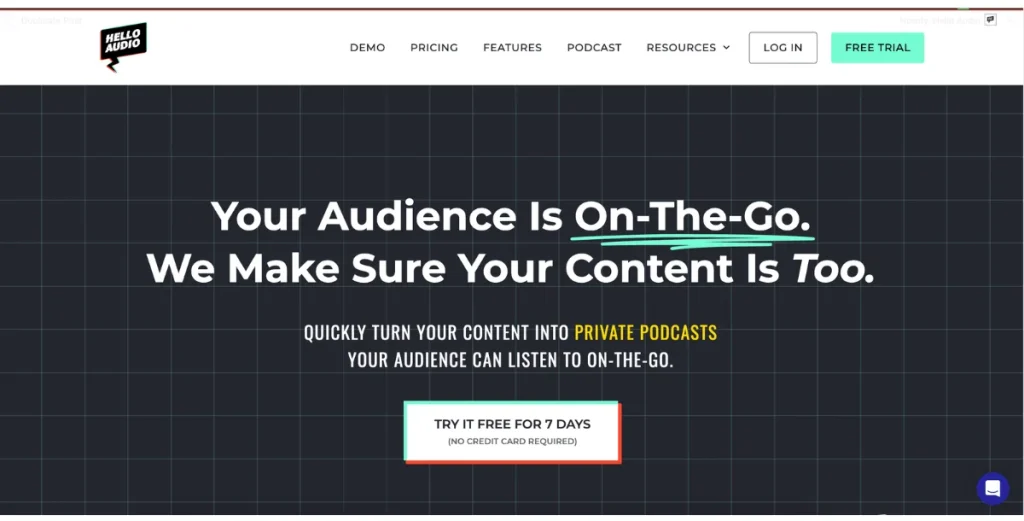
Hello Audio isn’t a direct replacement for Podbean or SoundCloud. It’s built for a different type of creator, particularly those using private podcasts to deliver their content.
Here’s why creators lean towards Hello Audio:
Built for Private Podcasts
Private podcast feeds are one of Hello Audio’s core features. They make it possible to share audio with a specific audience, whether that’s paying members, coaching clients, customers, employees, or a private community, without publishing every episode publicly.
Listener Access Without the Technical Setup
Hello Audio removes much of the friction from joining a private podcast. Instead of figuring out RSS feeds on their own, listeners receive guided instructions for accessing their private feed.
Integrates With the Tools You Already Use
Hello Audio connects with platforms like Kajabi, Circle, Skool, MemberPress, ConvertKit, ActiveCampaign, and other popular marketing and membership tools. Access can be granted or removed automatically based on your existing workflows.
Turn Existing Content Into Private Podcasts
If you’ve already created video lessons, webinars, or other recorded content, Hello Audio can convert the audio into a private podcast. It gives your audience another way to access the same content.
Built for Coaches, Course Creators, and Memberships
Hello Audio isn’t trying to be a public podcast host or music platform. It’s designed for businesses that use audio to deliver paid content, improve client engagement, and create a better learning experience.
Detailed Listener Analytics
See how your audience is listening with insights into downloads, listening progress, completion rates, and engagement so you can understand which content is getting attention.
Share Content Wherever Your Audience Listens
Listeners can access their private feed through popular podcast apps they already use instead of downloading another dedicated app.
If you need private podcast delivery, built-in automation, and integrations with the tools you already use, start your free trial today.

Frequently Asked Questions (FAQs)
Still deciding between Podbean and SoundCloud? These are some of the questions creators ask before choosing a podcast hosting platform:
Is SoundCloud Good for Podcast Hosting?
SoundCloud can host podcasts, but podcasting isn’t its primary focus.
It works well if you already use SoundCloud to share audio, but dedicated podcast hosting platforms like Podbean offer more podcast-specific features, including distribution, monetization, analytics, and website tools.
Can You Move a Podcast From SoundCloud to Podbean?
Yes. Most creators move their podcast by importing their existing RSS feed into Podbean and then redirecting the old feed. If the redirect is set up correctly, listeners don’t have to subscribe again, and your show continues updating in podcast apps.
Does Podbean or SoundCloud Have Better Analytics?
Podbean generally provides more podcast-specific analytics. It tracks metrics such as downloads, unique listeners, listener locations, listening apps, devices, episode performance, and download trends over time.
SoundCloud focuses more on plays, likes, reposts, comments, and basic audience insights, making it better suited to general audio than podcast analytics.
Does SoundCloud Support Podcast RSS Feeds?
Yes. SoundCloud generates an RSS feed that you can submit to podcast directories like Apple Podcasts and other listening apps. That said, if podcasting is a major part of your business, you may find dedicated podcast hosts offer more control over your feed and distribution settings.
Do You Own Your Content on SoundCloud?
Yes. You still own everything you upload to SoundCloud. Like most hosting platforms, SoundCloud only receives permission to host and distribute your audio so it can be played by listeners.
Conclusion
Choosing between Podbean and SoundCloud becomes much simpler once you’re clear on what you want your platform to do. The features, pricing, publishing experience, and monetization options all point toward different types of creators, so taking the time to compare them can save you from switching platforms later.
If your focus goes beyond public podcasting, it’s worth considering a platform built specifically for private audio experiences. Hello Audio gives creators a simple way to deliver private podcasts, automate listener access, integrate with the tools they already use, and understand how their audience engages with every episode.
Start your free trial today and see how private podcasting can become part of your content strategy.