

Have you just launched your newest podcast? Ready to share it with the world?
We get it – you’re searching for the best hosting to launch and manage your podcast series. While Buzzsprout is a popular industry choice, it comes with some limitations, like overly basic analytics and limited storage for free tiers.
But there are many other worthy alternatives to consider. From costs and features to community and revenue options, these advanced tools can meet your unique hosting demands and vision.
In this blog, we’ll dive into nine Buzzsprout alternatives to learn which platform will be most suitable for your goals.
TL;DR – Top 9 Buzzsprout Alternatives
If Buzzsprout is not quite checking every box, these nine alternatives are a good place to continue your search:
- Hello Audio – Best for private podcasts and turning existing content into audio experiences
- Podbean – Best for creators who want live streaming and built-in monetization
- Libsyn – Best for podcasters looking for more advanced publishing tools
- Captivate – Best for audience growth and marketing features
- Spreaker – Best for creators who’re focused on advertising and revenue options
- Simplecast – Best for teams that primarily need collaboration and advanced analytics
- Spotify for Creators – Best for easy publishing within the Spotify ecosystem
- Riverside – Best for recording remote interviews in high audio and video quality
- Transistor – Best for managing multiple shows under one account
As the list suggests, Hello Audio tops our list of Buzzsprout alternatives.
If you’re creating courses, memberships, coaching programs, or other premium content, Hello Audio lets you turn existing content into private podcasts your audience can listen to from their favorite podcast apps.
Start your 7-day free trial today. No credit card required.
What is Buzzsprout?
Buzzsprout is a podcast hosting platform that helps creators publish, distribute, and manage their podcasts from one place.
Some of its key features include:
- Uploading episodes, managing podcast details, and tracking performance.
- Distributing podcasts to major listening platforms while securely hosting audio files.
Its paid plans also include monetization options such as advertising and paid subscriptions for creators looking to generate revenue from their content.
How Does Buzzsprout Work?
Buzzsprout makes it simple to host podcasts.
Just follow these steps:
- Select a plan that best fits your hosting requirements and budget.
- Record your podcast and upload it to Buzzsprout.
- Edit your podcast’s titles, descriptions, and tags to make it more discoverable.
- Schedule a date and time for your episode to go live.
- Use analytics to see how your podcast is doing and gain valuable insights.
Where Buzzsprout Publishes Your Podcast
When your podcast goes live on Buzzsprout, it is automatically uploaded to major directories such as:
- Apple Podcasts
- Spotify
- Amazon Music
- iHeartRadio
- Podcast Index
- YouTube Music
Buzzsprout also provides an RSS feed for your podcast, which directories and listening apps use to pull in new episodes automatically.

Why Do People Dislike Buzzsprout?
Despite its dominant position in the podcast industry, Buzzsprout often faces criticism for its services. Here are four common reasons why consumers are dissatisfied:
1. Too Much Focus on Basic Podcast Hosting
Buzzsprout does a good job with hosting, publishing, and distribution. Beyond that, the feature set is very limited.
If you’re looking for built-in video recording, live streaming, or stronger collaboration tools for guests and team members, you may need additional software to fill those gaps.
2. Restricted Features of their Free Plan
Buzzsprout’s free plan includes two hours of uploads per month, podcast stats, dynamic content, chapter markers, visual soundbites, and embed players.
However, episodes are only hosted for 90 days, and monetization tools, transcripts, websites, Fan Mail, Magic Mastering, and Cohost AI require a paid plan.
3. Flawed Pricing Model
Buzzsprout’s plans are based on monthly upload hours. If you go over your plan’s upload allowance, extra hours are billed at $2 to $4 per hour, depending on the plan.
That can feel restrictive for creators who publish often. Some podcast hosts’ price plans are based on downloads, listeners, or unlimited uploads instead, which may be easier to plan around.
4. Lack of Advanced Revenue-earning Features
Buzzsprout offers subscriptions, listener support, and advertising tools, which can be enough for many beginner podcasters.
However, some creators may want more control over how they monetize their audience. Features such as multiple subscription tiers or more advanced advertising options are not well developed as on some competing platforms.
Our 9 Favorite Buzzsprout Alternatives
To make the comparison easier, we’ve put together a side-by-side look at some of the most popular Buzzsprout alternatives available today:
| Monetization | |||||
|---|---|---|---|---|---|
1. Hello Audio
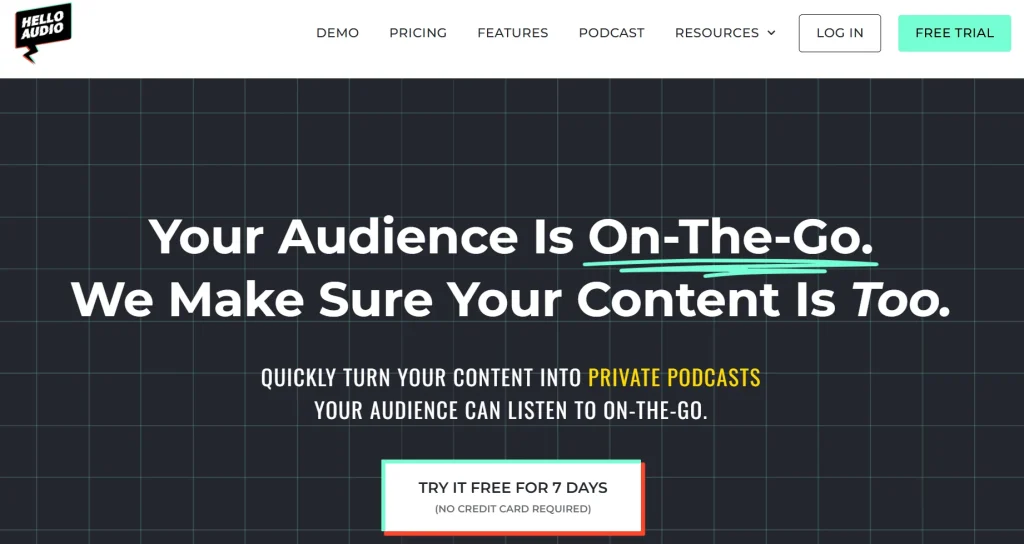
Hello Audio takes a different approach from most podcast platforms on this list. Instead of focusing on traditional public podcast hosting, it is built for private podcasting and content repurposing.
That makes it a popular choice for creators who want to turn existing content into an audio experience people can listen to wherever they are. The platform is also designed to help creators build a more personalized listener journey rather than sending everyone through the same podcast feed.
One example is Kendra Hennessey, founder and CEO of Mother Like A Boss, who used Hello Audio to increase conversions from 3.5% to 11%.
Some of the key features include:
- Private podcast feeds for sharing content with specific audiences instead of everyone.
- Audience tagging and segmentation to organize listeners into different groups.
- Listener analytics that show engagement and listening activity.
- Drip feeds and automations for releasing content over time.
- Premium audio monetization through paid content and memberships.
- Video-to-audio conversion for repurposing existing content into podcasts.
Pros and Cons
Here’s a quick look at where Hello Audio stands out and where it may fall short:
Hello Audio offers three paid plans:
- Starter: $14/month
- Pro: $39/month
- Powerhouse: $81/month
Best For
Coaches, course creators, membership owners, and consultants who want to deliver their content through private podcasts.
2. Buzzsprout vs. Podbean
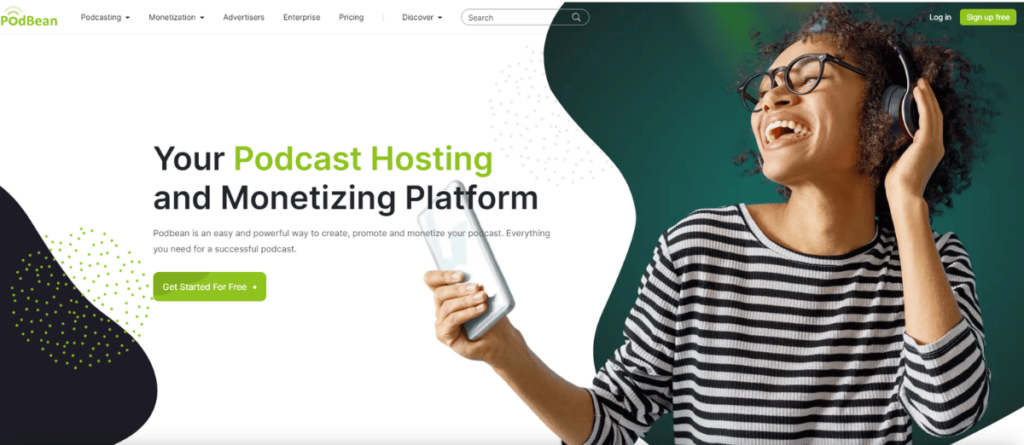
As your podcast grows, you may need more than just hosting. Podbean is one such alternative that addresses your concerns by offering features such as live streaming, monetization, podcast websites, and private podcasting.
These features make it a platform that many creators would like to stick with as their needs evolve.
Key Features
- Live audio streaming and audience interaction tools
- Built-in podcast website
- Advertising and listener support monetization options
- Podcast analytics and audience insights
- Private podcast hosting
- Mobile podcast management app
Pros and Cons
Here’s a quick look at where Podbean stands out and where it may fall short:
Pricing
Podbean offers a free plan for creators getting started. Paid plans include:
- Unlimited Audio: $12/month
- Unlimited Plus: $29/month
- Network: $79/month
- Business: $99/month
Best For
Creators who want to utilize more built-in tools than a basic podcast host, especially for live streaming, monetization, and managing multiple podcasts.
3. Libsyn vs. Buzzsprout
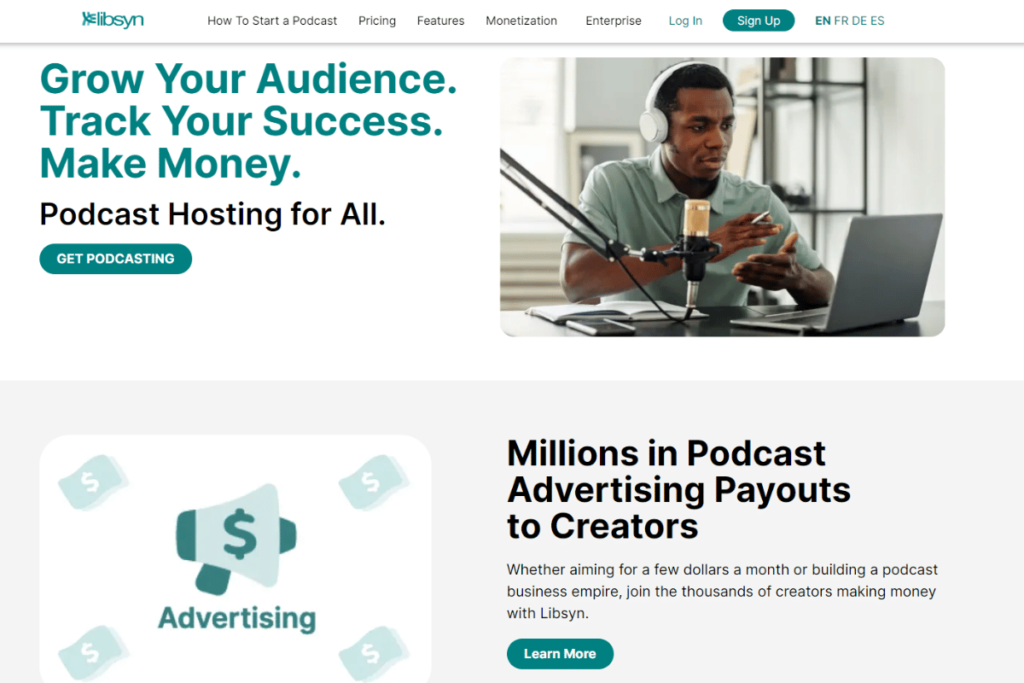
For podcasters who want more analytics and monetization options than a basic host provides, Libsyn is often one of the first platforms that comes up in the conversation.
Key Features
- Detailed podcast analytics and reporting
- Multiple monetization options
- Wide podcast distribution network
- Tools built for larger and growing shows
Pros and Cons
Here’s a quick look at where Libsyn stands out and where it may not be the best fit:
Pricing
Libsyn’s pricing tiers include:
- Basic: $12/month
- Advanced: $25/month
- Max: $150/month
- Professional and Enterprise plans are available on request.
They also have a bare essentials plan that costs $8/month.
Best For
Creators running established podcasts with more complex publishing and monetization needs.
4. Buzzsprout vs. Captivate
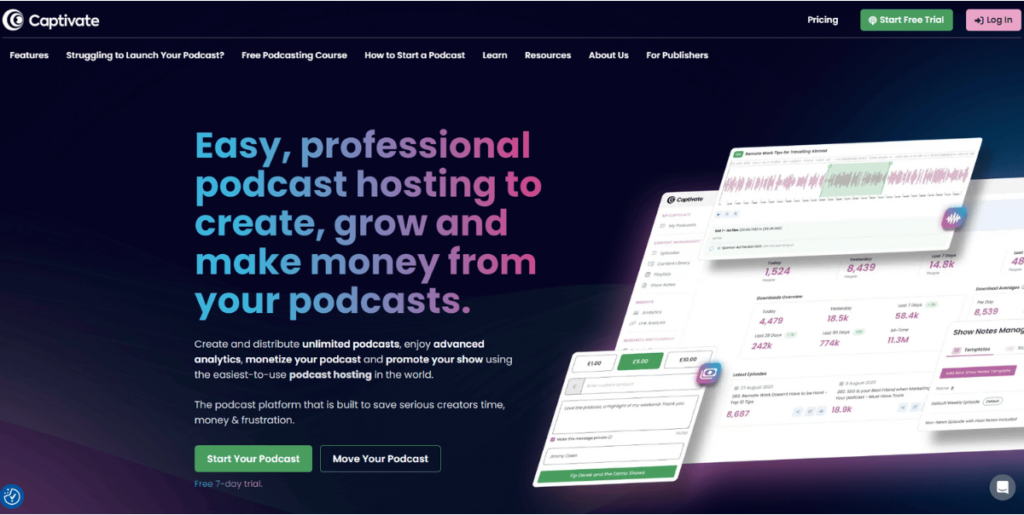
Captivate is built for creators who are thinking about growth from the start. Along with hosting, it includes marketing and audience-building tools, as well as private podcast feeds for those who want more control over how content is shared.
Key features include:
- Public and private podcast hosting
- Built-in podcast websites
- Listener and download analytics
- Email collection tools
- Unlimited podcasts
- Team collaboration access
Pros and Cons
Here’s a quick look at where Captivate stands out and where it may not be the best fit:
Pricing
- Personal: $17/month
- Professional: $44/month
- Business: $90/month
All plans include unlimited podcasts, unlimited uploads and storage, and podcast distribution. The main difference is the monthly download allowance.
Best For
Creators who want more built-in tools than a basic podcast host provides.
6. Buzzsprout vs. Spreaker
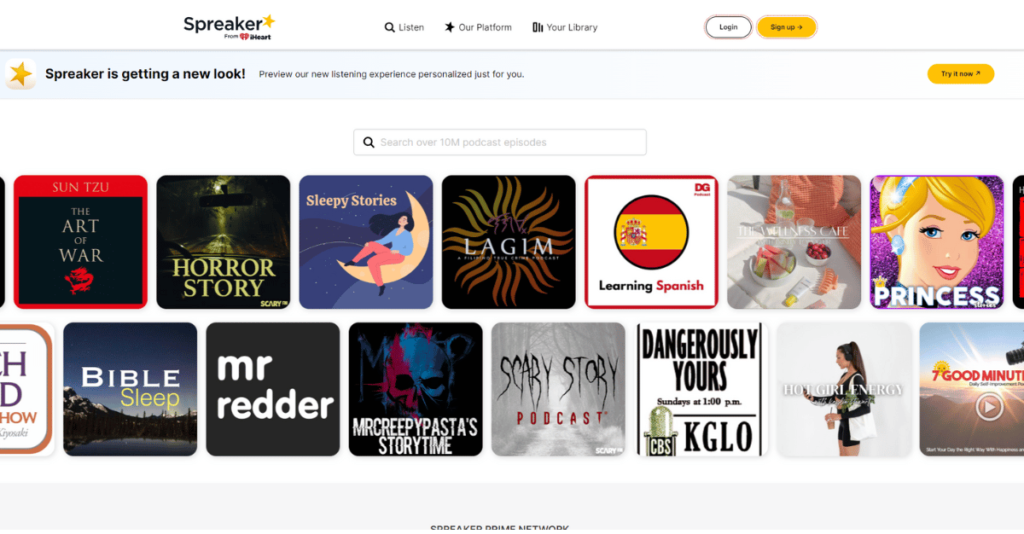
Spreaker is best known for its built-in monetization tools. Between subscriptions, advertising options, and live broadcasting, it offers more revenue-focused features than many podcast hosts.
Key Features
- Live podcast broadcasting
- Listener and download analytics
- Social media sharing tools
- Dynamic ad insertion
- Premium subscriptions for paid content
Pros and Cons
Here’s a quick look at where Spreaker stands out and where it may not be the best fit:
Pricing
- Free Speech: Free
- Broadcaster: $20/month
- Anchorman: $50/month
- Publisher: $250/month
Best For
Podcasters looking for built-in monetization tools, live broadcasting, and more ways to earn from their content.
7. Simplecast vs. Buzzsprout
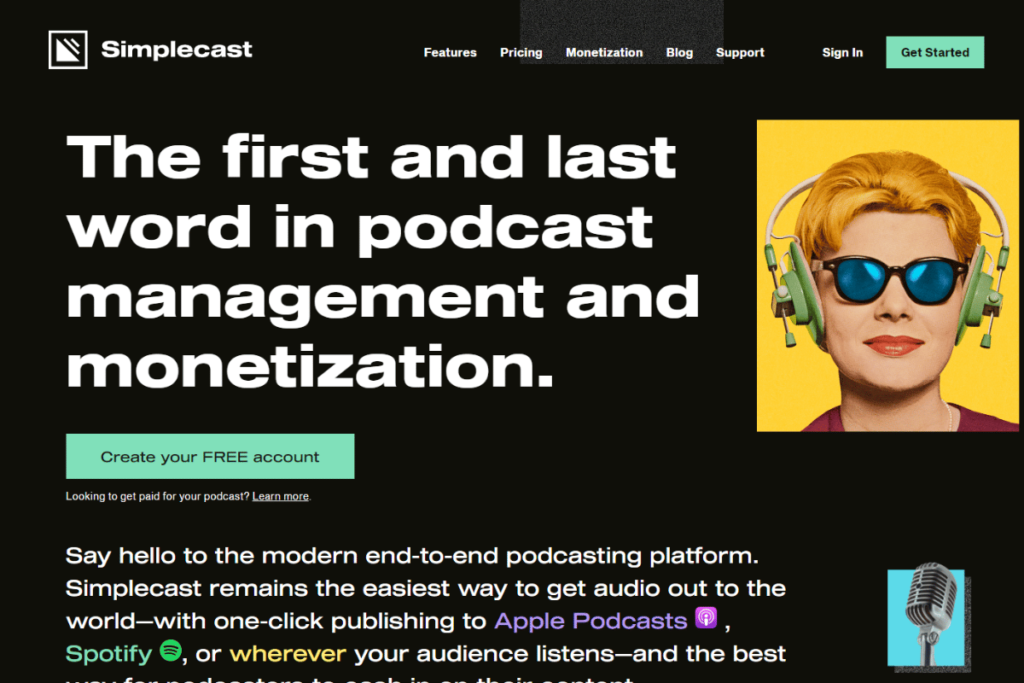
Simplecast takes a more streamlined approach than many of the platforms that we’ve mentioned on this list. Its focus is less on extra features and more on analytics, team management, and podcast operations.
Key features include:
- Podcast analytics and listener reporting
- Team member access
- Custom podcast websites
- Multi-show management
- Unlimited storage and uploads
- Embeddable podcast players
Pros and Cons
Here’s a quick look at where Simplecast stands out and where it may not be the best fit:
Pricing
- Basic: $15/month
- Essential: $35/month
Best For
Teams, businesses, and podcasters who put a strong emphasis on analytics, collaboration, and managing multiple shows.
7. Spotify for Creators
For many creators, Spotify for Creators is where they start their podcasting journey. The platform is free to use and closely tied to Spotify’s ecosystem, making it an easy option for anyone looking to get a show up and running without much friction.
Key Features
- Spotify audience analytics
- Video podcast support
- Listener subscriptions
- Podcast monetization tools
- Spotify app integration
Pros and Cons
Here’s a quick look at where Spotify for Creators stands out and where it may not be the best fit:
Pricing
- Free
Best For
New podcasters and creators who want a simple way to publish and grow a podcast within the Spotify ecosystem.
8. Riverside
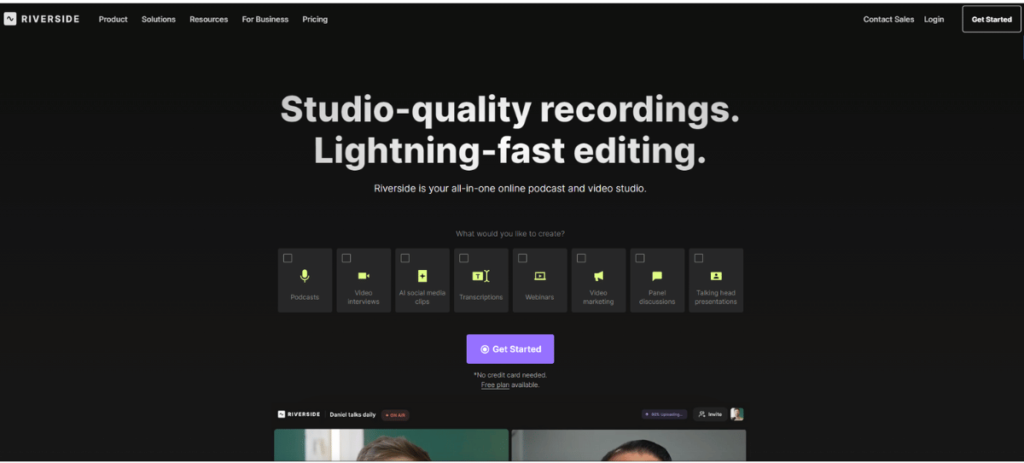
Riverside earns its place on this list for one reason: recording quality. Unlike most podcast hosts, its focus starts with recording and production rather than publishing and distribution.
Key features include:
- Remote guest interviews
- Separate audio and video recordings for each participant
- Video podcast recording
- Screen sharing
- Text-based editing
- AI clips and show notes
Pros and Cons
Here’s a quick look at where Riverside stands out and where it may not be the best fit:
Pricing:
- Pro: $12/month (billed annually)
- Live: $16/month (billed annually)
- Webinar: $39/month (billed annually)
- Business: Custom pricing
Best For
Podcast hosts, interviewers, and creators who, on a regular basis, record remote conversations and need a more dependable audio and video quality to publish.
9. Transistor
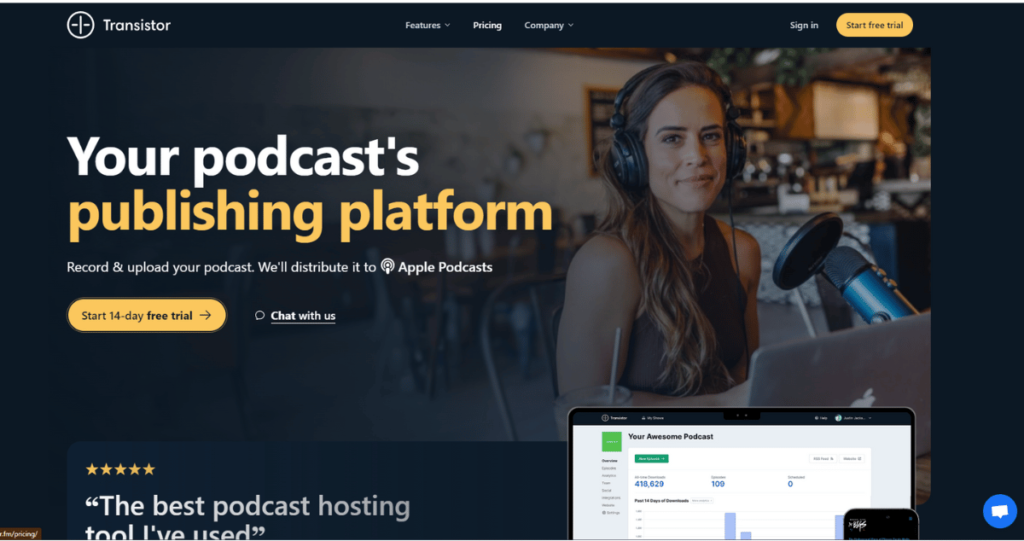
Last on our list is Transistor. The platform has earned a loyal following among creators who are managing multiple podcasts. A big reason is that every plan includes unlimited podcasts, making it easier to grow beyond a single show.
Key Features
- Unlimited podcasts under one account
- Unlimited storage and uploads
- Private podcast support
- Podcast analytics
- Multiple user accounts
- Podcast distribution tools
Pros and Cons
Here’s a quick look at where Transistor stands out and where it may not be the best fit:
Pricing
- Starter: $19/month
- Professional: $49/month
- Business: $99/month
- Enterprise: Custom pricing
Transistor also offers an optional transcription add-on starting at $5/month.
Best For
Independent podcasters, businesses, and creators are managing multiple podcasts from a single account.
How to Choose the Right Buzzsprout Alternative
The right podcast platform depends on how you plan to create, distribute, and grow your show. Knowing what matters most to your workflow can make the decision much easier.
Here are five things you should remember while searching for an ideal Buzzsprout alternative:
1. Define Your Vision Clearly
First and foremost, decide what your podcasting goals are. Are you looking for a lighthearted talk show, a well-researched documentary, or something in the middle? Do you want to build a solid online community? Knowing your content style and desired level of professionalism helps direct you to platforms with features that correspond to your vision.
2. Understand Your Audience
You should always choose a platform that aligns with your target audience. For example, think about their favorite listening apps (Spotify, Apple Podcasts, etc.) listening behaviors, and more.
Some platforms focus on specialized niches, such as gaming, influencer content, business content, etc., and provide features targeted to these audiences.
3. Don’t Neglect the Features
Different platforms provide different tools. Do you require advanced editing tools, thorough data, or robust monetization options? Make a list of essential features and prioritize them accordingly.
Remember, hundreds of features aren’t necessarily better; choose a platform with all the fundamental tools you cannot function without.
4. Don’t Go Over-budget
Platform fees vary; some charge less for more, and others follow a “premium” philosophy. Look at your spending limit and research their price structures. Some demand monthly subscription fees, while others provide pay-as-you-go options or even free tiers with limited services. Select a platform whose costs fit into your budget.
5. Try it Before You Buy it
Many platforms offer free trials or limited plans, where you can try out their features before committing. Use these opportunities to measure how easy it is for you and your potential listeners to navigate the platform.
Remember, the “best” platform is entirely subjective. Pick the best one that allows you to create, network, and grow in the podcasting industry.
Frequently Asked Questions (FAQs)
Common questions readers ask when evaluating Buzzsprout alternatives for podcast hosting.
What is the Best Buzzsprout Alternative?
If private podcasting is the goal, Hello Audio is the strongest alternative on this list. For creators focused on traditional public podcasts, Podbean and Transistor offer a broader set of hosting features.
Is Buzzsprout Still Worth Using?
Yes, especially for creators who want a simple way to launch and distribute a podcast. But if your plans include private podcast feeds, membership content, or more advanced monetization, it’s worth looking at some of the alternatives covered above.
Which Buzzsprout Alternative is the Cheapest?
Spotify for Creators is the cheapest option because it is free. Among paid platforms, Libsyn starts at $8/month, followed by Podbean at $12/month, making both popular choices for cheap podcast hosting.
What is the Best Buzzsprout Alternative for Private Podcasting?
Hello Audio is one of the best options for private podcast hosting. It offers private feed delivery, listener access controls, and tools for sharing content with specific audiences.
Can I Move My Podcast From Buzzsprout to Another Host?
Yes. The process usually involves importing your RSS feed into the new platform and setting up a 301 redirect from your Buzzsprout feed. That redirect helps subscribers continue receiving new episodes without needing to manually resubscribe.
Conclusion
While Buzzsprout has a solid reputation, it is not a universal answer to all podcast hosting needs.
The key is to recognize what your goals are. A platform that works well for a public podcast may not be the right fit for private content, memberships, video production, or a growing podcast network. The best choice is usually the one that supports the way you plan to create, distribute, and grow your show.
If private podcasting is part of that plan, Hello Audio is built specifically for delivering private audio content and repurposing existing courses.