


Looking to sell your courses, digital products, or memberships, but not sure where to start? The platform you choose can determine how your business performs.
Podia and Gumroad are two popular options, but they play very different roles. Podia is built to run a full content business from one dashboard, while Gumroad is all about fast, no-fuss selling.
In this guide, we’ll break down what each platform does best, highlight the key differences, and show how Hello Audio can help your content actually reach and engage your audience.
TL;DR – Podia vs. Gumroad
Before diving into the details, here’s a quick snapshot comparing Podia and Gumroad side by side:
| A platform that helps creators build, sell, and manage digital courses, memberships, and coaching programs in one place. | A simple platform for selling digital products and subscriptions quickly, without complicated setup. |
| - Combines courses, memberships, email, and storefront tools - No transaction fees on paid plans - Helps grow and retain your audience | - Extremely easy to set up and use - No monthly fee to start selling - Handles payments, taxes, and compliance automatically |
| - Limited customization compared to advanced platforms - No mobile app - Lacks deeper analytics and advanced course features | - Takes a percentage of each sale - Limited branding options - Not built for long-term customer engagement |
| Creators building a full content business who want all their tools under one roof | Creators selling simple digital products or one-off offers who want the fastest path to start selling |
This snapshot makes it clear: Podia is built for running a full content business, while Gumroad is built for quick, low-friction sales.
But selling isn’t the whole equation; getting your audience to actually engage with your content is. That’s where Hello Audio fits in, turning your courses, videos, and recordings into podcast-ready feeds that listeners can access anytime, anywhere, without extra logins or friction.
See how it’s done with this instant demo video.
What is Podia?
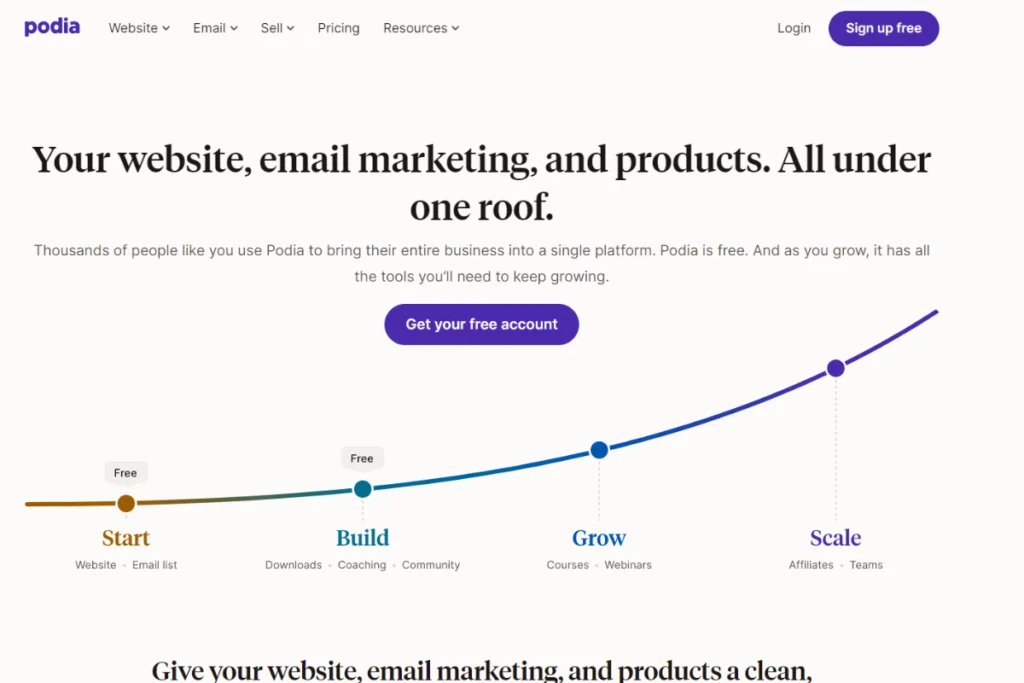
Podia is a comprehensive platform built specifically for creators who want to sell their digital products, online courses, and memberships without having to rely on multiple tools. On the platform, you’ll get a single dashboard to easily manage content, payments, and customers, making it accessible even if you don’t have technical experience.
Instead of stitching together a course platform, website builder, email tool, and checkout system, Podia brings everything under one login. You can create a storefront, host your content, send emails, and manage sales without leaving the platform.
Podia Features
Podia includes the core tools creators need to sell and manage digital products from one platform, without usage limits or transaction fees. Its core features include:
Online Courses
Create unlimited free or paid courses with video, audio, PDFs, and other file types. Courses can be pre-sold, dripped over time, and sold with one-time payments or payment plans.
Digital Products
The platform allows creators to sell standalone digital products such as guides, templates, and audio files. Podia includes a simple checkout flow, built-in upsells, and product bundles, making it easy to sell multiple products together or offer free opt-ins.
Memberships
You can run paid or free memberships with multiple pricing tiers. Also, share your exclusive content, bundle products, and interact with members through comments, with optional Slack or Facebook integrations.
Email Marketing
Send newsletters, run drip campaigns, automate follow-ups, and promote products directly from Podia’s built-in email tools.
Website & Storefront
Build a storefront, landing pages, and a homepage using a drag-and-drop builder. Custom domains and mobile-friendly layouts are supported.
Affiliate Marketing
The platform also allows you to set up an affiliate program with custom commissions, built-in tracking, and seamless payouts.
Core Use Cases
Podia works best for creators who can get all their work done in a single place, without technical overhead.
Common use cases include:
- Course creators: Podia is a good platform for creators selling their structured courses with lessons, drip schedules, and simple payment plans.
- Coaches and consultants: It works really well for selling coaching programs, private resources, or for any bundled offers without having to include any extra software.
- Membership-based businesses: A really good option for creators running paid memberships with gated content and recurring billing.
- Creators with multiple digital products: Makes sense if you’re selling courses, downloads, and subscriptions from a single storefront.
- Creators who want fewer tools: A great tool for people who want their selling, email, and content delivery all handled in one place instead of stitched together.
Podia Pricing
Podia offers two paid plans, both starting with a 30‑day free trial so you can test the platform before committing.
Pricing tiers are:
Mover
- Around $39/month or $33/month billed annually
- Includes a full website, online store, email marketing, unlimited products, blogging, and support
- 5% transaction fee on sales still applies
Shaker
- Around $89/month or $75/month billed annually
- Same core features as Mover, plus affiliate marketing, PayPal support, and zero Podia transaction fees
Both plans include the built‑in email platform for free, with features like automations and analytics.
You can switch plans any time, upgrade or downgrade, and cancel whenever you want.
Podia Reviews
Podia gets a lot of things right for creators, but it’s not perfect. Here’s a snapshot of what works for them and what doesn’t:
People Like
- Easy to use: You can set up courses, products, and memberships without coding.
- All-in-one platform: Courses, digital downloads, memberships, email, and affiliate tools all in one place.
- Supports multiple digital products: Courses, PDFs, coaching programs, you can sell them all.
- Affordable: Plans are reasonably priced for the features you get.
- Customer support: Helpful live chat and email support.
People Don’t Like
- Limited customization: Not as flexible as Shopify or WooCommerce.
- Missing advanced features: Some email automation, course analytics, and live event tools aren’t available.
- No mobile app: You can’t manage your content or store it on the go.
- Digital-only: Selling physical products isn’t supported.
Podia gets credit for its clean interface and low learning curve, with creators appreciating that it covers all the core needs without requiring multiple tools. That said, common complaints focus on feature limits and the lack of a mobile app for managing content on the go.
What is Gumroad?
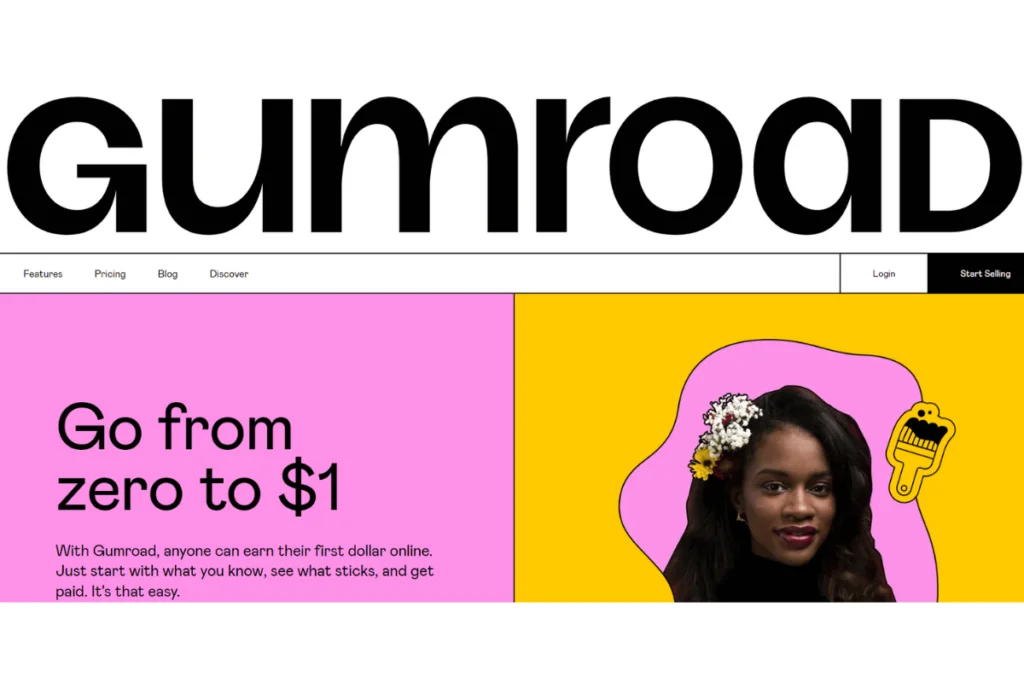
Gumroad is a simple, user-friendly platform that is built for creators who want to sell their digital and physical products directly to customers. It’s best to think of it as a digital storefront that’s easy to set up; no full e-commerce site or complicated backend required.
Since its launch in 2011, Gumroad has become popular with artists, writers, musicians, and other creators who want to focus on making their work rather than managing payments, invoices, or taxes. The platform acts as a Merchant of Record, handling transactions and compliance so you can sell with less hassle.
How Does Gumroad Work?
Gumroad makes selling digital products simple. Here’s the basic flow for creators:
- Set up your account: You start by creating an account and setting up your product, like ebooks, music, courses, memberships, whatever you make.
- Create your product: Upload your files, add images and descriptions, and set a price (or let buyers pay what they want).
- Handle payments effortlessly: Once your product is ready, connect your bank account and let Gumroad handle the tricky stuff: payments, taxes, and legal compliance.
- Promote and sell: Share your products on social media or use Gumroad’s Discover marketplace for extra visibility.
- Track everything: From there, everything is tracked in one dashboard. Sales, customer info, and analytics all live in one dashboard, so you can see how your business is performing.
The idea is simple: let you focus on your products and audience while Gumroad manages the rest.
Gumroad Features
Gumroad focuses on giving creators the tools they need to sell and manage products without overcomplicating things. From digital downloads to memberships, these features help you set up, sell, and grow your business in one place:
Sell Digital and Physical Products
Gumroad lets you sell ebooks, music, courses, templates, software, and even physical items like prints or merchandise.
Flexible Pricing Options
Whether you want a fixed price, “pay what you want,” subscriptions, or a bundled product version, with Gumroad, you can do that. It makes experimenting with pricing simple and low-risk.
Subscriptions and Memberships
You can easily offer recurring access to content, membership programs, or premium communities. This will keep your audience engaged and generate a steady income with minimal setup.
Payment Processing and Global Reach
Gumroad can handle payments, taxes, and legal compliance for you. It works with major credit cards, PayPal, and multiple currencies, making international selling seamless.
Simple Storefront and Embeds
Create a clean storefront or embed Gumroad’s checkout anywhere: your site, blog, or social channels. You can even use your own domain.
Discounts and Promotions
Run promo codes, limited-time offers, and product bundles to boost conversions.
License Keys and Content Protection
Generate license keys for software or premium digital products and protect content from unauthorized access.
Automatic Delivery
Customers get their digital purchases automatically, so you don’t have to worry about manual delivery.
Analytics and Customer Insights
The dashboard tracks sales trends, revenue, and customer behavior to help optimize pricing and marketing.
Built‑in Marketing Tools
Use basic email updates, audience growth features, and integrations to stay in touch with customers.
Gumroad Pricing
Gumroad takes a different approach than traditional platforms. Instead of charging monthly fees, you only pay when you make a sale.
Here’s a quick breakdown:
- No monthly fees: You only pay when you earn.
- Transaction fees: It is 10% + $0.50 per direct sale.
- Marketplace sales: You pay 30% per sale if you make a sale through Gumroad’s Discover page.
- Taxes handled: Gumroad acts as Merchant of Record, automatically managing global sales taxes and VAT.
- Simple, predictable costs: No setup fees or extra hidden charges.
Gumroad Reviews
Creators like Gumroad for how easy it is to get started. Setup is fast, there’s very little tech involved, and payments and taxes are handled for you.
Here’s an overview:
What people like
- Super easy setup: You can create a store and list products in minutes.
- No monthly fees: Pay only when you make any kind of sale.
- Handles taxes: Your VAT, sales tax, and international payments are managed by Gumroad for you.
- Flexible product types: Easy to sell eBooks, courses, memberships, music, or software.
- Built-in marketing tools: Discounts, coupons, pre-orders, and email collection help boost sales.
What people don’t like
- Higher fees on small sales: You have to pay 10% of your direct sales, even if your sales volume is low.
- Limited customization: Their storefronts are very basic; you can’t fully brand or redesign your pages.
- Fewer advanced features: There are no native community tools, drip content, or robust analytics like some competitors offer.
Overall, Gumroad is loved for being simple, practical, and reliable, though it’s not built for creators who need advanced features or highly branded storefronts.
Detailed Comparison Between Podia and Gumroad
Podia and Gumroad solve different problems, even though they’re often compared side by side. One is built to run an entire content business, while the other focuses on making digital sales as frictionless as possible. This breakdown highlights how they compare across the features that matter most to creators:
Similarities and Differences
Podia and Gumroad both help creators sell digital products. That’s where the overlap ends. One is built to run a content business. The other is built to get a product out the door fast.
Podia and Gumroad Differences
Both platforms sell digital products, but they’re built with different priorities. Core differences are:
- Business model: Podia uses a monthly subscription with no transaction fees, which makes sense if you’re selling regularly. When it comes to Gumroad, it takes a cut of every sale you make, which lowers the barrier to entry but adds up over time.
- Feature depth: Podia supports courses, memberships, coaching, email campaigns, and online community spaces. Whereas Gumroad focuses more on selling digital products with just a minimal setup and fewer moving parts.
- Customization and branding: Podia gives you more say over how your storefront is going to look and how customers move through it. Gumroad’s product pages are clean but largely standardized.
- Audience ownership: Podia is set up for ongoing relationships through email and memberships. Gumroad works better for single purchases and simple subscriptions.
- Tax handling: Gumroad handles taxes for you as the Merchant of Record. With Podia, that responsibility stays with the creator.
Podia and Gumroad Similarities
Even with different goals, there are a few areas where they line up:
- Digital product sales: Both of the platforms support selling digital downloads, courses, and subscriptions.
- Beginner-friendly setup: Neither platform requires technical expertise to get started.
- Global payments: On both platforms, you can easily do international payments and accept payments from popular payment methods.
- Built-in checkout and delivery: Products are delivered automatically after purchase on both platforms.
- Creator-first design: Each platform is designed specifically for independent creators, not large ecommerce stores.
What About Hello Audio?
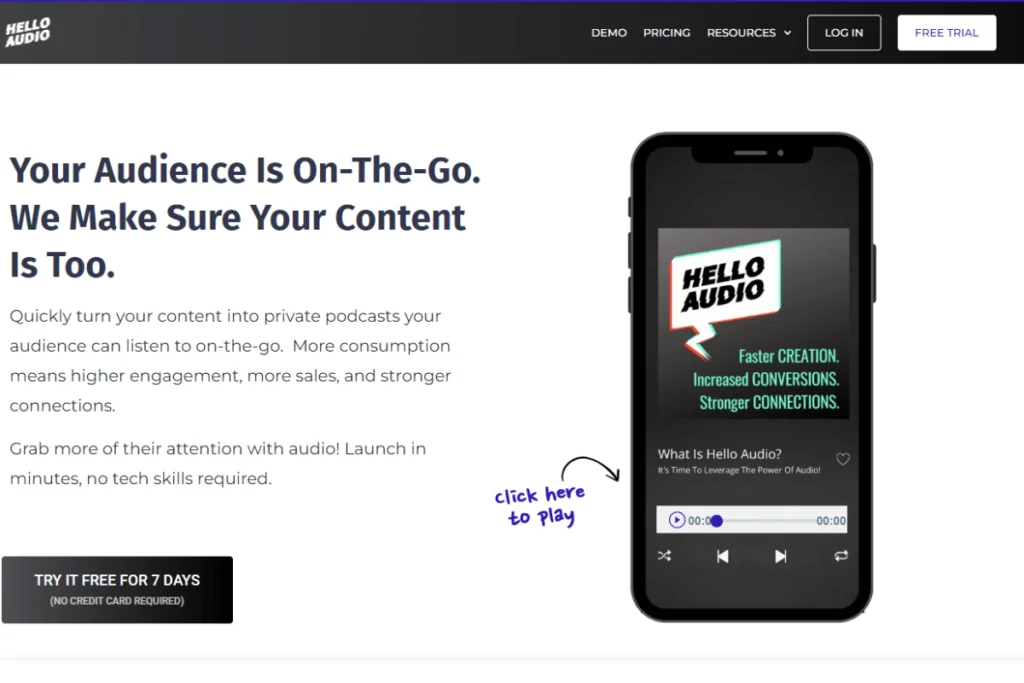
Podia and Gumroad focus on selling content. Hello Audio focuses on how that content gets consumed.
Hello Audio isn’t a checkout tool or storefront; it’s a private podcast delivery platform built specifically for creators who want their content to fit into their audiences’ daily lives. You upload audio or video, and Hello Audio turns it into podcast feeds your audience can follow inside their existing podcast apps.
That difference matters. It reduces any friction, increases completion rates, and makes your paid content feel effortless rather than overwhelming.
Here’s what sets Hello Audio apart:
- Private podcast delivery: Upload audio or video and turn it into private podcast feeds in minutes. Access is fully controlled, so only the right listeners get in, without extra logins or clunky portals.
- Repurpose existing content: Short-form videos, long-form recordings, live sessions, or courses can all be converted into ready-to-consume podcast content. A single upload can easily be converted into a more accessible format.
- Smart scheduling and drip releases: Schedule all your episodes in advance or drip content over days or even weeks. Ideal for programs, challenges, cohorts, and evergreen offers.
- Listener management and personalization: Control who gets access, segment listeners, and trigger automations based on listening behavior. Content can feel more personal without adding complexity.
- Detailed listening analytics: See how people actually engage with each episode. You get insights into listens, drop-off points, and overall consumption, not just downloads.
- Built-in AI support: Use AI tools to generate podcast descriptions, social posts, and YouTube copy, reducing the busywork around distribution.
- Works alongside selling platforms: Hello Audio doesn’t replace Podia or Gumroad. It complements them. You sell on your preferred platform and deliver content in a format people already love.
If you want your audio and video content to fit into your audience’s daily routine rather than compete for their attention, Hello Audio gives you the delivery layer most platforms overlook.
The Bottom Line
Podia and Gumroad both get the job done, but in very different ways. Podia is great if you’re trying to build a full content business with courses, memberships, and email marketing. Gumroad comes into the picture if you just want to start selling quickly, without the setup hassle.
But here’s the thing: selling alone isn’t enough for your business. The real win is getting your audience to actually consume your content. That’s where Hello Audio steps in. It turns your courses, coaching sessions, and videos into private podcast feeds your audience can listen to anytime, walking, driving, or even while doing chores.
Don’t just sell your content, make it stick. Use Podia or Gumroad for sales, and Hello Audio to get your audience listening, learning, and coming back for more.

Frequently Asked Questions (FAQs)
Before wrapping things up, here are a few common questions that come up about Podia and Gumroad:
Which Platform Works Better for Low Volume Creators?
Gumroad is usually the easier entry point for low-volume creators. There’s no monthly commitment, setup takes minutes, and you can start selling with almost no overhead.
Podia makes more sense once sales are consistent and you’re building a broader content ecosystem rather than selling the occasional product.
Are Custom Domains Available for Both Platforms?
Podia supports custom domains and gives you more control over branding and site structure. Gumroad is more limited. You can customize your profile and product pages, but full custom domain support and deeper branding control aren’t really its strength.
Which Platform Has Better Analytics Tools?
Podia gives you a broader view of your business, tracking things like email engagement, product sales, and member activity. Gumroad keeps it simple, focusing mostly on sales and conversions.
If you care about long-term audience behavior, Podia offers more insight, but neither platform provides the detailed listener analytics you get with Hello Audio.