Starting a podcast has been on your mind for a year now, but you don’t know what it’ll cost you? You’re not the only one with this big question.
The truth? There’s no single number. Every decision, from microphones and studio setups to editing, hosting, and advertising, shapes your budget.
Whether you’re trying it out as a hobby, a side-gig podcaster who is trying to build an audience, or a business aiming for a fully polished show, knowing the costs upfront can save you time, money, and unnecessary headaches.
In this guide, we’ll break down all the key expenses: equipment, studio setup, editing, hosting, and advertising, so you can plan smartly, start efficiently, and focus on creating content your listeners will love.
Do Podcasts Cost Money?
Yes, but the amount depends on how you want to approach it. You can start a podcast on a shoestring budget, or you can invest in high-end equipment and professional editing.
Podcasting is more than just recording your voice. The way you produce, distribute, and promote your show all affect the cost. Even so, the barrier to entry is relatively low. With a basic microphone, free editing software, and an easy-to-use hosting platform like Hello Audio, you can get started without spending much.
The key is knowing what you need versus what’s optional. Understanding the different costs up front helps you plan smartly, avoid surprises, and get your podcast off the ground efficiently.
How Much Does It Cost to Start a Podcast?
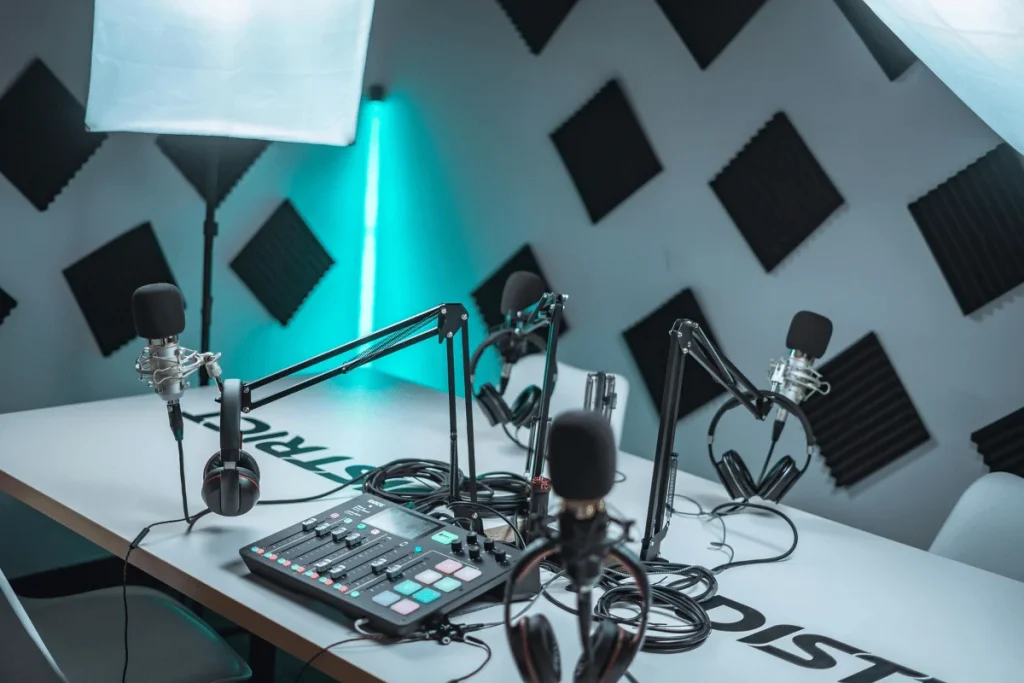
The cost of starting a podcast isn’t one-size-fits-all. You could launch for as little as $100, or scale up to $5,000 or more, if you’re going for a fully polished, professional show. It all depends on how big your ambitions are, who you want to reach, and how polished you want your episodes to sound.
Here’s a quick snapshot to help you plan:
- Hobbyist: $100–$350 per month. Simple podcasting equipment, like a USB microphone, free or low-cost editing software, and basic hosting, is enough if you’re pursuing it just to test the waters.
- Side Gig: $500–$2,000 per month. You might invest in better microphones, audio interfaces, and professional editing to grow your audience.
- Pro Podcasters / Branded Shows: $2,000–$5,000+ per month. High-quality equipment, studio rentals, professional editing, and advertising are common at this level.
Not every podcast needs a big budget. Knowing your goals first helps you plan wisely and invest only where it matters.
How Much Does Podcast Equipment Cost?
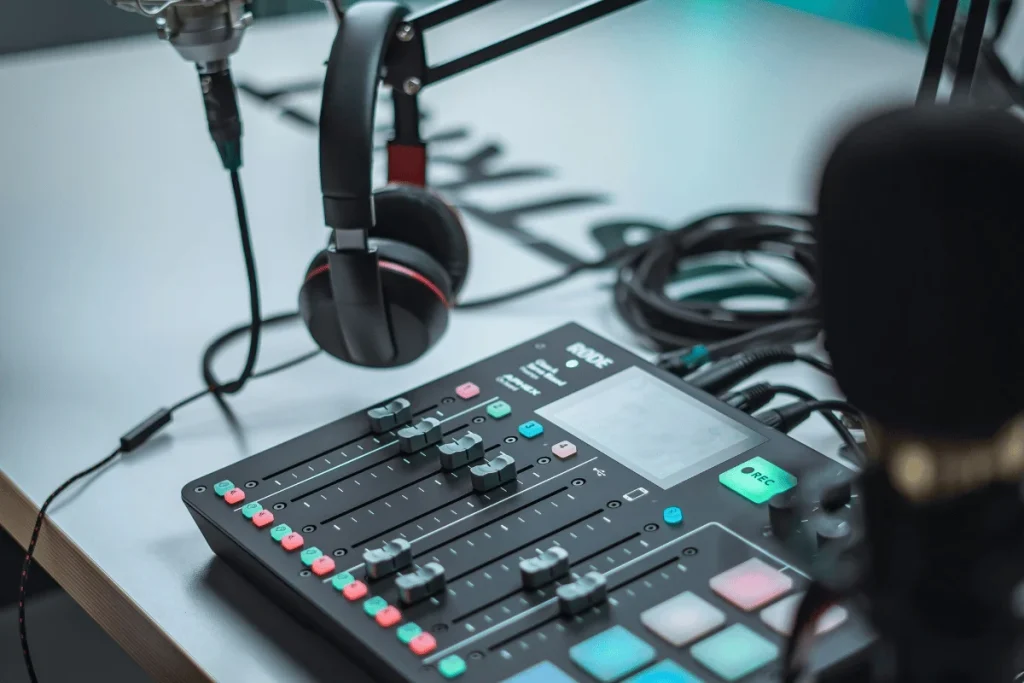
Podcast equipment doesn’t have to drain your wallet. In fact, if you’re just starting out, spend something under $100. You’ll just need a USB microphone, a computer, and a quiet room to get you recording today.
If you want to step up your game, the cost rises depending on your setup:
- Basic Equipment ($20–$100+): USB mic, headphones, and free or low-cost editing software. Perfect for solo shows or remote interviews.
- Intermediate Equipment ($250–$300): If you want a setup that’ll help you produce better podcasts, you’ll need microphones like Audio-Technica, a decent pair of headphones from Sony or Sennheiser, and simple hosting tools. You can even turn a closet into a makeshift studio for free by using blankets or clothes for soundproofing.
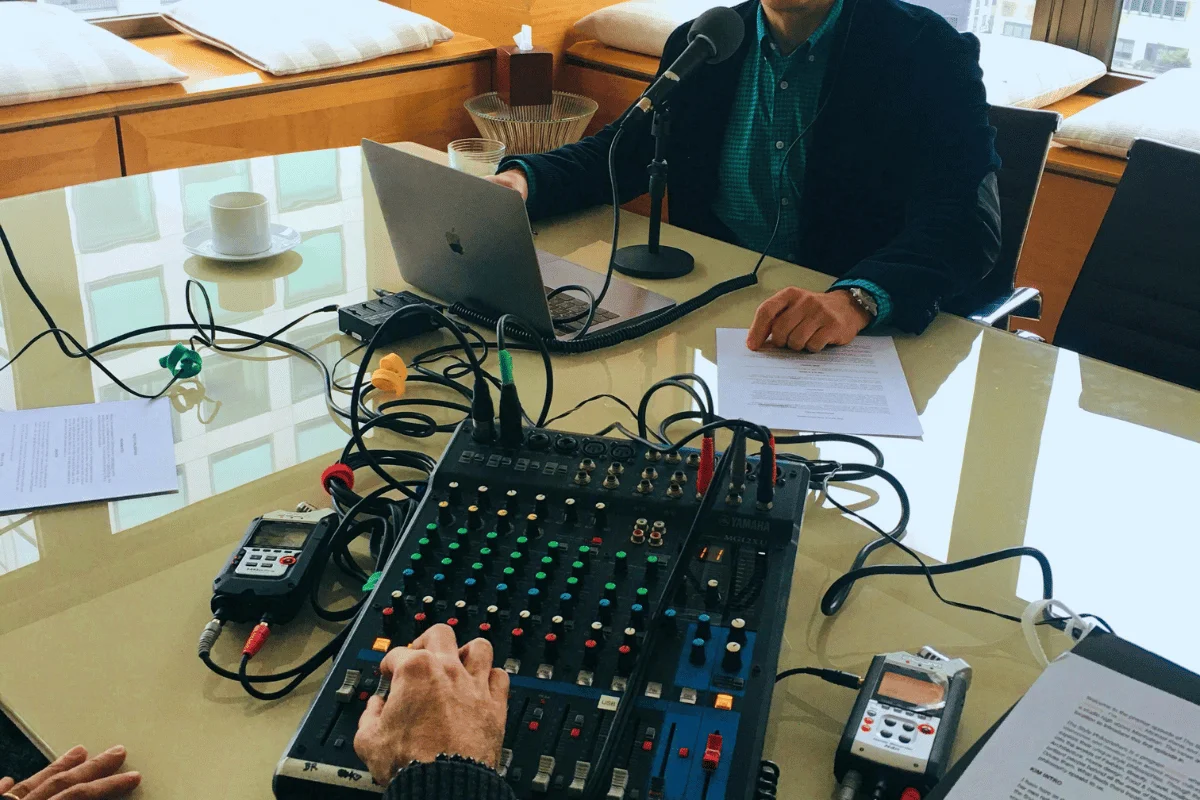
- Advanced Equipment ($300–$5,000+): For a more advanced production, you’ll need XLR microphones with audio interfaces, professional headphones, acoustic panels, video cameras, lighting, and high-end recording software. Ideal for pro or branded podcasts aiming for broadcast-quality sound.
Here’s the takeaway: don’t buy equipment you don’t need. Spending more than $300 is only worth it if you have a clear goal for higher production quality. For most new podcasters, a simple setup is enough to get started, sound great, and reach your audience.
Podcast Studio Setup Cost
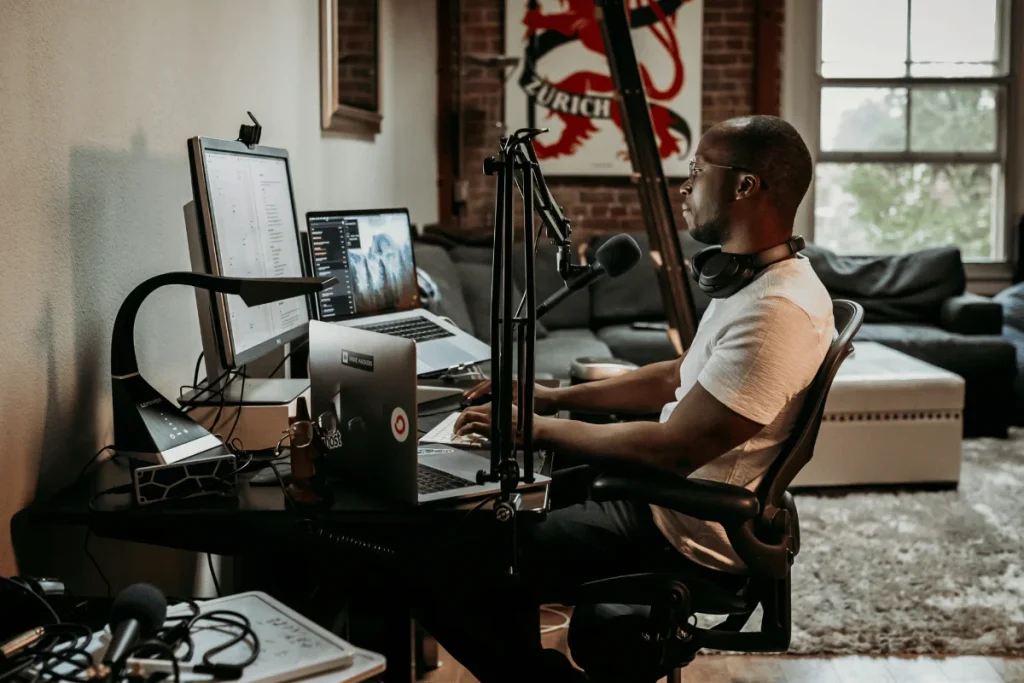
Your podcast studio doesn’t have to look impressive. It just needs to sound good. And how much that costs depends on how you’re recording and how serious you are about production quality.
Here’s a simple breakdown of what a podcast studio looks like at different budget levels:
Low-budget Setup ($100–$250)
This is the “just get started” phase. You’re recording from home, probably solo or with remote guests.
You’ll just need a basic USB microphone, your existing laptop would work, and a quiet room. You can start it in a spare bedroom or a corner with soft furniture, which works surprisingly well. Add free editing software, and you’re ready to publish. It’s not fancy, but it’s more than enough to launch and learn.
Mid-range Setup ($500-$3,000)
If you’re publishing regularly or hosting guests on your podcast, this setup gives you better control over the sound quality without going overboard with an advanced setup.
Each person gets their own mic, you add simple accessories like pop filters, and you start paying attention to how your room sounds. This level feels more intentional, more polished, and still very budget-friendly.
Professional Setup ($900–$5,000+)
This is for pro podcasters who treat their show like a business. If you’re one, then you need to use higher-end microphones, record multiple people at once, and work in a dedicated space that sounds the same every time you hit record.
At this point, you’re investing in consistency and efficiency, not just better sound. It makes sense if your podcast is tied to revenue, brand building, or long-term growth.
What this really means is you don’t need to “go pro” on day one. Start with what fits your goals right now. As your audience grows, your setup can grow with it.
How Much Does Podcast Editing Cost?
Podcast editing costs aren’t just about money. They’re about how much time you want to spend behind the scenes versus how quickly you want polished episodes out the door.
At a high level, podcast editing can cost anywhere from $0 to $500 per episode, or $1,500+ per month if you’re working with a full-service production team. Where you land in that range depends on how hands-on you want to be and how polished you want your podcast to sound.
You can choose between these three routes:
DIY Editing ($0–$30 per month)
If you want to edit your own podcast, your direct costs are low. Free podcast editing software, like Audacity, can keep expenses close to zero. That said, editing takes time. Learning the software, cleaning up audio, removing mistakes, and exporting episodes all add up.
For many creators, the real cost is the hours they spend editing rather than creating or promoting content.
Freelance Editors ($75–$500 per episode)
Hiring a freelance editor is the most common and convenient next step. There’s no fixed rate for them; it can vary widely based on experience and location. Newer freelancers may charge less, while experienced editors charge more for faster turnaround and better sound quality.
Most editors price based on the length of the raw audio and the level of cleanup required, so it’s always smart to request a sample edit or quote first.
Agencies and Full-service Production ($1,500+ per month)
Agencies handle everything: editing, sound design, show notes, scheduling, and sometimes publishing.
This option makes sense for branded podcasts or businesses that want a hands-off process. The cost is higher, but so is the consistency and time saved.
How Much Does a Podcast Editor Cost?
Podcast editors typically charge either hourly or per episode, and the final cost depends on how much work your audio needs.
Most of the price comes from the core editing process, listening to the episode, cleaning it up, editing mistakes, and reviewing the final cut. Beyond that, costs can increase if your audio needs heavy enhancement.
Here’s what you can generally expect to pay:
- Standard editing work: Around $30-$50 per hour of audio
- Heavier audio cleanup: Approximately $100-$200 extra per episode, if needed
- Fixed per-episode pricing: Based on estimated editing hours and complexity
If the results are clean and well-structured recordings, then editing stays affordable. If it’s noisy or inconsistent, the editor will need more time, which will drive up the price.
In some cases, re-recording an episode can actually cost less than extensive audio repair.
Podcast Hosting and Distribution Costs
After editing, your podcast needs a home, somewhere that reliably delivers your episodes to listeners. Hosting doesn’t have to be complicated or expensive, especially if you choose a platform made for creators.
Hello Audio makes it simple. The pricing tiers look something like this:
- Starter – $14/month: This tier is perfect for beginners. You’ll get one private feed, unlimited episodes, and listeners.
- Pro – $39/month: If you want more private feeds, advanced release controls, and better flexibility, this is for you.
- Powerhouse – $81/month: You’ll get unlimited feeds, automation, dynamic content, and premium tools for serious creators.
(Monthly billing is slightly higher if you don’t pay annually: $17, $47, $97.)
All plans include unlimited episodes, unlimited listeners, automatic video-to-audio conversion, and easy delivery to Apple Podcasts, Spotify, and more. You know exactly what you’re paying each month, no surprises, no bandwidth limits, no hidden fees.
With hosting handled, you can focus on what really matters: creating content your audience will love.
Sign up for Hello Audio today.
How Much Does It Cost to Advertise on a Podcast?
Podcast advertising rates aren’t flat fees; they’re mostly priced on a CPM basis, which means cost per thousand listens.
To lay it out simply: you’re paying for the opportunity to reach real listeners, and where your ad lands, how long it runs, and how engaged that audience is matter.
The numbers usually stack up something like this:
- Pre‑roll ads (beginning of episode): $15-$30 CPM
- Mid‑roll ads (middle of episode, highest engagement): $25-$40 CPM
- Post‑roll ads (end of episode): $10-$25 CPM
If you’re working with highly specific, niche audiences, rates can go even higher.
Highly targeted shows sometimes charge premium CPMs because advertisers know those listeners are more likely to convert.
5 Strategies to Reduce Your Podcast Startup Costs
Starting a podcast doesn’t need to drain your wallet.
Focus on these five key strategies to launch efficiently while keeping quality high:
- Plan Before You Record: A clear plan will save you money and a few headaches later on. Define your podcast goals, format, and episode topics upfront. Having a content calendar ensures you stay organized, avoid last-minute scrambles, and prevent unnecessary production costs.
- Invest in Core Equipment Only: As we’ve established, only having a pro studio doesn’t make you sound good or professional. That is why you can start with a reliable USB/XLR microphone, a decent pair of headphones, and basic accessories like pop filters. Upgrade gradually as your audience grows or monetization allows.
- Create a DIY Recording Space: Instead of renting a studio, turn a quiet room into your recording space. Use rugs, curtains, blankets, or inexpensive acoustic panels to reduce the echoes and background noise. A well-prepared DIY setup can produce professional-sounding audio at a fraction of the cost.
- Streamline Your Editing Process: Editing can take up a lot of your time and money. Learn some basic editing with free tools like Audacity. You can also use AI-assisted software for cleanup, standardize your workflow, or hire freelancers for episodes that are difficult for you to edit. Having an efficient editing plan keeps production fast and affordable.
- Choose Smart Hosting and Distribution: Pick a budget-friendly host like Hello Audio. They’ll deliver your episodes to Spotify, Apple Podcasts, and Google Podcasts, handle storage, and keep your costs steady, leaving you free to create great content.
Frequently Asked Questions (FAQs)
We’ve rounded up the most common questions creators ask so you can get quick, clear answers:
How Much Does It Cost to Start a Spotify Podcast?
Starting a podcast on Spotify doesn’t cost a thing. Hello Audio makes it easy to upload episodes, manage your feeds, and get your show out there.
If you want more features, like extra private feeds, automation, or detailed analytics, you can upgrade to a paid plan.
Does Apple Podcast Cost Money?
Apple Podcasts itself is free for listeners and creators. You don’t pay Apple to host your show; they simply distribute it.
Your main costs come from recording, editing, and hosting your podcast on platforms.
Do You Need a License to Start a Podcast?
In most cases, no formal license is required to start a podcast. You do need to make sure any music, sound effects, or third-party content is properly licensed.
Using royalty-free music, original audio, or licensed tracks ensures you don’t run into copyright issues.
Conclusion
Launching a podcast doesn’t have to be complicated or expensive. Whether you’re testing the waters, building a side-gig audience, or going all-in as a professional podcaster, knowing the costs upfront gives you the power to make smart choices and focus on what really matters: creating content that resonates.
With Hello Audio, you don’t have to worry about hosting, distribution, or technical headaches. Unlimited episodes, automatic delivery to Spotify, Apple Podcasts, and more, plus easy-to-use tools, mean you can focus entirely on your voice, your story, and growing your audience.
Ready to get your podcast off the ground? Book a demo and start reaching listeners everywhere, without the headaches.